Leave Your Message
-
Phone
-
E-mail
-
Whatsapp

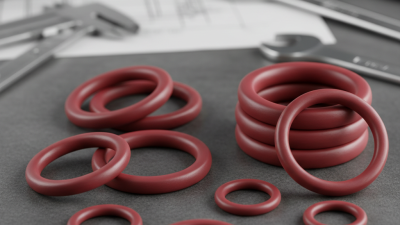
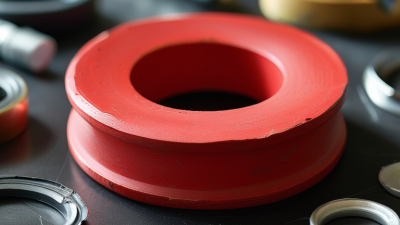
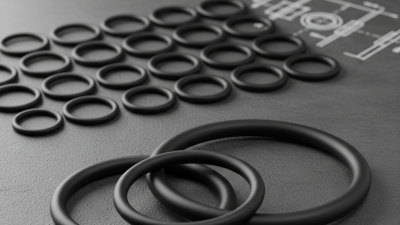
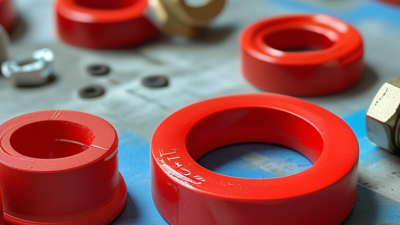
Choosing a dependable Red Rubber O Ring supplier involves more than comparing prices or browsing attractive product photographs. Global buyers need consistent dimensions, suitable rubber compounds, stable compression, and clear technical documentation. A seal that looks correct may still fail under heat, oil exposure, pressure, or repeated movement.
Robert Flitney, a recognized sealing engineer and author, describes the O-ring as “a simple, inexpensive, and highly effective seal.” That simplicity can be misleading. Small differences in hardness, surface finish, or curing quality may cause leakage in pumps, valves, hydraulic equipment, and industrial machinery. The best suppliers understand these details and explain them clearly.
This guide reviews ten Red Rubber O Ring suppliers serving international buyers. It considers manufacturing experience, material control, production capacity, customization, inspection procedures, export support, and customer communication. Certifications matter, but they should not replace practical evidence. Buyers should ask for test reports, batch traceability, tolerances, and sample approval before placing large orders.
There is no perfect supplier.
Some companies offer excellent customization but limited stock. Others provide fast delivery but fewer compound choices. Even respected manufacturers can make mistakes, especially when specifications are incomplete. That is why this comparison focuses on verifiable strengths rather than exaggerated promises. It also encourages buyers to check temperature ranges, chemical compatibility, hardness grades, and packaging conditions before making a final decision. A careful supplier does not merely sell rubber rings. It helps reduce downtime, prevent repeat failures, and support safer equipment operation across different markets.
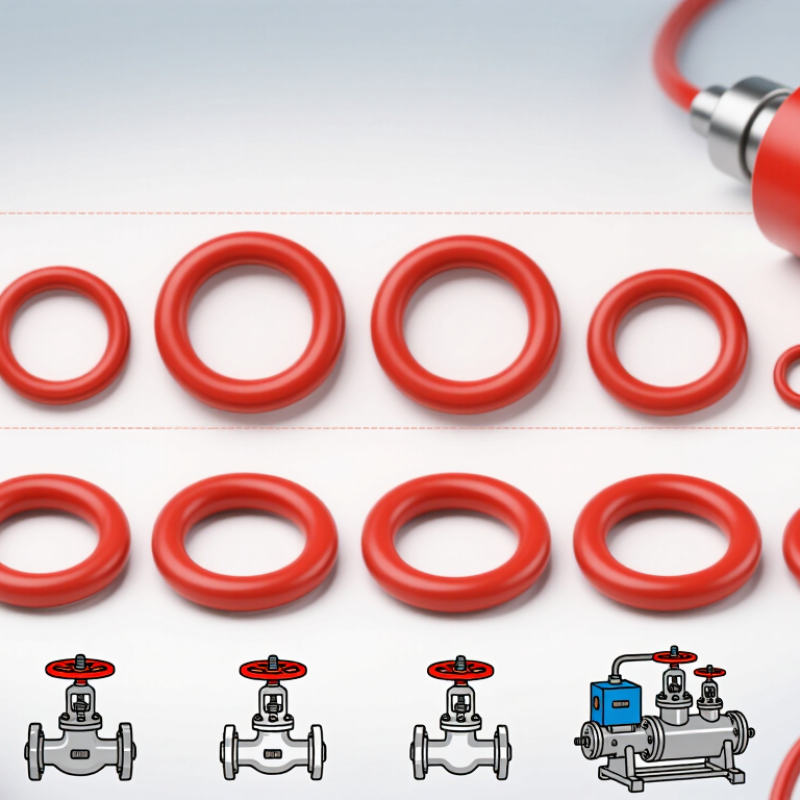
Red Rubber O-Ring Materials: Silicone Service Ranges from −60°C to 230°C
For global buyers, red color does not identify the rubber chemistry. It often signals silicone, but suppliers must confirm the compound and test certificate. Silicone O-rings commonly serve from approximately −60°C to 230°C, depending on formulation, pressure, and exposure time. Short-term peaks may be acceptable, yet continuous operation near 230°C can accelerate compression set.
The ASTM D1418 standard identifies silicone rubber as VMQ, while ISO 3601 defines dimensional and quality requirements for O-rings. These standards help buyers compare suppliers beyond attractive color or low pricing. Industry sealing studies consistently show that temperature resistance alone does not guarantee sealing reliability. Compression set, tensile strength, hardness, and fluid compatibility remain critical measurements.
A 2024 market analysis by Grand View Research reported continued growth in industrial seals, driven by automotive, aerospace, and process equipment demand. That growth increases pressure on suppliers to provide traceable batch data. Ask for hardness, usually measured in Shore A, plus test results at the intended temperature. For steam, fuels, or concentrated acids, silicone may perform poorly despite its wide thermal range. This is where many purchasing decisions go wrong. A supplier’s catalog range is not the same as verified service life. Small design details matter, including gland fill, surface finish, and thermal cycling.
| Supplier Profile | Primary O-Ring Material | Typical Service Temperature | Key Performance Characteristics | Common Applications | Available Product Formats | Typical Quality Documentation | Customization Capability |
|---|---|---|---|---|---|---|---|
| Supplier 01 | Silicone Rubber (VMQ) | −60°C to 230°C | Excellent flexibility at low temperatures, good resistance to ozone, weathering, and aging; limited resistance to fuels and concentrated acids. | Food-processing equipment, medical devices, electrical enclosures, outdoor sealing systems. | Standard metric and imperial O-rings, custom molded parts, cord stock, colored compounds. | Material batch certificate, dimensional inspection report, hardness report, and food-contact documentation when applicable. | Custom size, hardness, color, surface finish, and metal-detectable or electrically conductive formulations. |
| Supplier 02 | Nitrile Rubber (NBR) | −30°C to 120°C | Good resistance to petroleum oils, mineral oils, and hydraulic fluids; strong general-purpose sealing performance. | Hydraulic systems, pneumatic equipment, automotive service parts, industrial pumps. | AS568 and metric sizes, bonded seals, backup rings, cord, and molded gaskets. | Certificate of conformity, batch traceability, hardness data, and dimensional inspection results. | Different acrylonitrile levels, low-temperature grades, anti-static compounds, and custom tooling. |
| Supplier 03 | Fluorocarbon Rubber (FKM) | −20°C to 200°C | Excellent resistance to high temperatures, fuels, mineral oils, and many aggressive chemicals; low gas permeability. | Fuel systems, chemical processing, aerospace equipment, high-temperature valves. | Standard O-rings, encapsulated O-rings, custom molded seals, and specialty profiles. | Batch certificate, compound identification, hardness report, dimensional report, and regulatory declarations where required. | Low-temperature FKM, high-fluorine compounds, colored grades, and custom cross-sections. |
| Supplier 04 | Ethylene Propylene Rubber (EPDM) | −50°C to 150°C | Very good resistance to hot water, steam, ozone, weathering, and many acids and alkalis; unsuitable for most petroleum oils. | Water systems, heating equipment, brake systems, outdoor machinery, and HVAC installations. | Metric and imperial O-rings, custom gaskets, cord, washers, and molded rubber components. | Certificate of conformity, material traceability, hardness verification, and product inspection records. | Peroxide-cured grades, drinking-water compliant compounds, low-compression-set grades, and custom tooling. |
| Supplier 05 | Polyurethane (AU/EU) | −40°C to 90°C | High abrasion, tear, and extrusion resistance; suitable for dynamic sealing under demanding mechanical conditions. | Hydraulic cylinders, pneumatic actuators, mobile machinery, and high-wear applications. | Hydraulic O-rings, custom seals, wipers, backup rings, and precision molded components. | Material certificate, hardness report, dimensional inspection, and batch traceability documentation. | Different hardness levels, ester- or ether-based formulations, custom profiles, and reinforced designs. |
| Supplier 06 | Polychloroprene (CR) | −40°C to 120°C | Good resistance to weathering, ozone, moderate oils, and flame; balanced mechanical properties for general industrial use. | Refrigeration equipment, construction machinery, cable systems, and general industrial sealing. | Standard O-rings, custom gaskets, cord, diaphragms, and molded rubber parts. | Certificate of conformity, hardness and dimensional reports, and raw-material traceability. | Custom hardness, flame-resistant formulations, special colors, and non-standard dimensions. |
| Supplier 07 | Perfluoroelastomer (FFKM) | −15°C to 325°C | Outstanding resistance to extreme heat and highly aggressive chemicals; premium performance for critical sealing. | Semiconductor equipment, chemical processing, pharmaceutical systems, and high-temperature reactors. | Precision O-rings, custom seals, thin-section rings, and application-specific molded parts. | Full material traceability, batch certificate, dimensional report, compression-set data, and cleanliness records. | Specialized chemical-resistant compounds, ultra-clean processing, custom tooling, and tight dimensional tolerances. |
| Supplier 08 | Polytetrafluoroethylene (PTFE) | −200°C to 260°C | Very low friction and excellent chemical resistance; low elasticity requires suitable gland design or energizing support. | Chemical pumps, cryogenic equipment, laboratory systems, valves, and aggressive-fluid handling. | Virgin PTFE O-rings, filled PTFE rings, spring-energized seals, and machined sealing components. | Material certificate, filler declaration, dimensional inspection, and regulatory documentation where applicable. | Glass-, carbon-, graphite-, or bronze-filled grades, custom dimensions, and low-friction surface treatments. |
| Supplier 09 | Hydrogenated Nitrile Rubber (HNBR) | −40°C to 150°C | Improved heat, ozone, aging, and mechanical resistance compared with standard NBR; good performance in demanding hydraulic service. | Oil and gas equipment, automotive systems, compressors, and high-pressure hydraulic applications. | Standard and non-standard O-rings, backup rings, bonded seals, and custom molded products. | Compound certificate, hardness report, dimensional inspection, and traceability documentation. | High-pressure grades, low-temperature formulations, rapid-gas-decompression-resistant compounds, and custom sizes. |
| Supplier 10 | Fluorosilicone Rubber (FVMQ) | −60°C to 175°C | Excellent low-temperature flexibility with improved resistance to fuels and mineral oils compared with standard silicone. | Aerospace fuel systems, automotive fuel handling, outdoor sensors, and specialty fluid sealing. | Metric and imperial O-rings, custom molded seals, cord stock, and specialized gaskets. | Material batch certificate, hardness and dimensional reports, traceability, and application-specific compliance documents. | Fuel-resistant compounds, custom colors, special hardness levels, low-compression-set grades, and custom tooling. |