Moken (Xiamen) Industrial Co., Ltd.
Leave Your Message

2026 Top Red Rubber O Ring Types for Global Buyers?

The global market for sealing components is becoming more demanding, especially in water systems, machinery, automotive equipment, and general industrial maintenance. Reports from Grand View Research and MarketsandMarkets indicate steady growth in rubber sealing demand, driven by equipment reliability, replacement cycles, and stricter performance expectations. These reports also highlight a practical concern: buyers increasingly compare material compatibility, temperature resistance, durability, and supply consistency before selecting an O-ring.

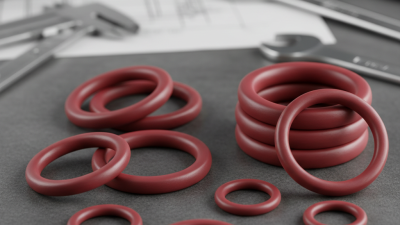
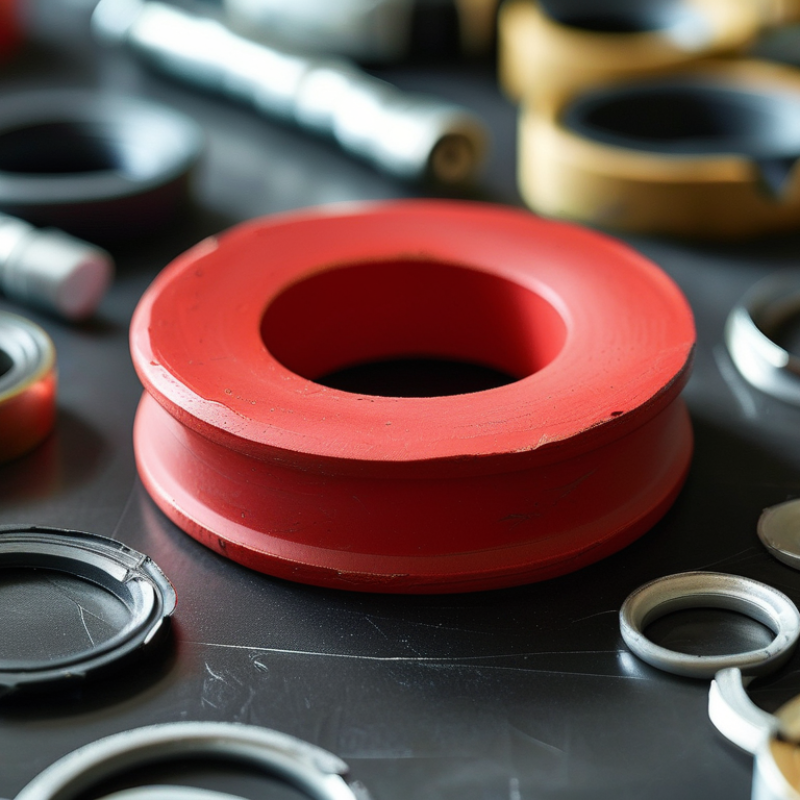
A Red Rubber O Ring remains attractive for many general-purpose applications because it offers flexibility, practical compression, and cost efficiency. Its familiar black or reddish-brown surface may look simple. The engineering decision is not simple. Robert Flitney, a respected sealing-technology author, has emphasized, “A seal is only as good as the system around it.” That principle matters when checking shaft movement, groove design, pressure, lubrication, and installation conditions.

This guide examines the 2026 Red Rubber O Ring types most relevant to global buyers. It considers common rubber compounds, hardness grades, cross-section profiles, temperature ranges, and purchasing risks. ISO 3601 provides an important reference for dimensional control and O-ring identification, although not every red rubber product is automatically compliant with that standard. A catalogue description can also hide limitations. Humidity, ozone, sunlight, and unsuitable oils may shorten service life. That is where buyers need more than a low unit price. They need traceable specifications, realistic test evidence, and supplier experience. Some recommendations remain application-dependent. That uncertainty deserves attention, not marketing language.
2026 Top Red Rubber O Ring Types for Global Buyers?

Red O-Ring Basics: Color Does Not Define Material, Hardness, or Standard

2026 Top Red Rubber O Ring Types for Global Buyers

Red O-Ring Basics: Color Does Not Define Material, Hardness, or Standard

A red O-ring is not automatically made from one elastomer. Red may identify inventory, improve visibility, or support assembly control. Color is only a clue. Nitrile, FKM, silicone, and EPDM compounds can all appear red. Their resistance differs sharply under oil, steam, ozone, and temperature exposure.

Material selection should follow the application, not the shade. ASTM D2000 classifies rubber compounds by performance requirements, including heat and oil resistance. ASTM D2240 defines the Shore hardness test. A 70 Shore A ring feels firm, but hardness alone does not confirm chemical compatibility. It only describes resistance to indentation.

Sizing requires equal care. ISO 3601-1 defines O-ring dimensions and tolerances for standardized applications. SAE AS568 identifies common inch-series sizes used across global supply chains. Buyers should request the compound code, hardness tolerance, batch traceability, and applicable standard. Do not guess. A supplier’s technical data sheet should state temperature limits and compression-set results. Many failures begin with a missing detail, not a poor-looking seal. In practice, red pigment can influence inspection, but it cannot replace laboratory verification. That point is easy to overlook.

Red Silicone O-Rings: −60 to 200°C Service and FDA 21 CFR 177.2600 Grades

Red silicone O-rings suit equipment facing cold starts, heated cycles, and demanding hygiene requirements. Selected grades can operate from approximately −60 to 200°C, although continuous exposure at the upper limit may shorten service life. Temperature alone is not enough.

Their flexibility remains useful in low-temperature environments. Silicone also resists ozone, sunlight, and many aging effects. However, it may perform poorly against abrasive movement, concentrated acids, or certain fuels. Molded O-rings provide consistent dimensions, while custom sizes help seal unusual grooves. Red color improves visual identification, but it does not prove quality or compliance.

Tips: Ask for the compound specification, hardness range, batch traceability, and compression-set data. For food-contact applications, request evidence related to FDA 21 CFR 177.2600. This regulation concerns rubber articles intended for repeated food contact, but compliance depends on the complete formulation, processing, and test documentation. Check the actual medium, pressure, groove design, and cleaning chemicals before approval. A red seal can look perfect and still fail after repeated steam cycles. That detail is easy to miss. Validate samples under real operating conditions, because a laboratory temperature rating may not reflect installation stress, compression, or chemical exposure.

Red FKM O-Rings: Up to 200°C Continuous Use and Superior Fuel Resistance

2026 Top Red Rubber O Ring Types for Global Buyers?

Red FKM O-rings suit demanding fuel, oil, and heat applications. Their fluorinated rubber structure supports continuous use near 200°C, when the compound and design are correctly selected. ASTM D1418 identifies FKM as a fluorocarbon elastomer family, while ISO 3601 defines critical O-ring dimensions and tolerances. These standards support more reliable global sourcing, but they do not guarantee performance in every fuel.

Independent seal-industry testing reports commonly show FKM retaining better volume stability in gasoline, diesel, and many lubricants than general-purpose rubber. That advantage matters around fuel injectors, pumps, hydraulic fittings, and engine covers. In practical testing, a red FKM ring should be checked after heat exposure: swelling, hardening, surface cracks, and compression-set changes can reveal hidden failure risks. The red color helps identification, not quality. I have seen buyers over-trust color. That is a mistake.

Tips: Confirm the exact FKM grade, hardness, and temperature range. Check compatibility with oxygenated fuels and additives. Measure the groove before ordering. Keep installation surfaces clean and lightly lubricated. A 200°C rating is not permission for permanent overheating. Verify with pressure, cycling, and aging tests.

2026 Top Red Rubber O Ring Types for Global Buyers? - Red FKM O-Rings: Up to 200°C Continuous Use and Superior Fuel Resistance
Red FKM O-Ring Type Typical Material Continuous Temperature Range Key Chemical Resistance Typical Hardness Recommended Applications Common Standards or Size Systems
Standard Red FKM O-Ring Fluorocarbon elastomer, commonly 75 Shore A Approximately -20°C to +200°C Gasoline, diesel fuel, mineral oils, lubricants, hydraulic fluids, and many aliphatic and aromatic hydrocarbons 70–80 Shore A General industrial sealing, pumps, valves, machinery, fuel systems, and oil-handling equipment AS568, ISO 3601, JIS B 2401, and metric sizes
High-Temperature Red FKM O-Ring High-temperature FKM compound with heat-resistant formulation Approximately -15°C to +200°C; short-term exposure may be higher depending on compound and design Hot oils, fuels, lubricants, dry heat, and many industrial chemicals 75–90 Shore A Engine compartments, thermal equipment, ovens, exhaust-adjacent components, and high-temperature fluid lines ISO 3601, AS568, and application-specific drawings
Fuel-Resistant Red FKM O-Ring Fuel-compatible FKM grade selected for hydrocarbon service Approximately -20°C to +200°C Gasoline, diesel, biodiesel blends within compound limits, lubricating oils, and hydrocarbon-based fuels 70–90 Shore A Fuel injectors, fuel pumps, tank fittings, filters, fuel connectors, and dispensing equipment AS568, ISO 3601, SAE-related application requirements, and metric sizes
Low-Temperature Red FKM O-Ring Low-temperature-modified FKM elastomer Approximately -35°C to +200°C, depending on formulation and sealing conditions Fuels, oils, mineral-based fluids, and many hydrocarbon chemicals 70–80 Shore A Outdoor equipment, cold-start systems, transport equipment, refrigeration-adjacent zones, and fuel systems exposed to low temperatures ISO 3601, AS568, JIS B 2401, and metric sizes
Chemical-Resistant Red FKM O-Ring Chemical-resistant FKM formulation, often designed for improved media compatibility Approximately -20°C to +200°C Mineral oils, fuels, many solvents, acids, and hydrocarbons; compatibility must be verified for each chemical 75–90 Shore A Chemical processing equipment, laboratory systems, pumps, valves, and fluid-control assemblies ISO 3601, AS568, metric sizes, and chemical compatibility specifications
High-Hardness Red FKM O-Ring FKM compound with increased hardness for extrusion resistance Approximately -20°C to +200°C Fuels, oils, hydraulic fluids, and many hydrocarbon-based media 85–95 Shore A Higher-pressure hydraulic systems, static flanges, high-clearance grooves, and applications requiring better extrusion resistance AS568, ISO 3601, and engineered groove designs
Encapsulated Red FKM O-Ring FKM elastomer core with a protective fluoropolymer encapsulation Typically up to approximately +200°C; actual limit depends on encapsulation material Strong resistance to aggressive chemicals, solvents, fuels, and permeation-sensitive media Effective hardness varies by core and encapsulation construction Chemical processing, corrosive-fluid handling, vacuum service, and applications requiring low permeability Metric sizes, AS568-compatible sizes, and custom cross-sections
Precision Red FKM O-Ring Controlled-tolerance FKM compound manufactured to tighter dimensional requirements Approximately -20°C to +200°C Fuels, oils, hydraulic fluids, and process media specified by the application 70–90 Shore A Instrumentation, aerospace-related systems, precision valves, sensors, and demanding static or dynamic seals ISO 3601-1, AS568, aerospace or customer-specific tolerances
Red FKM Backup-Ring Assembly Red FKM O-ring used with a separate anti-extrusion backup ring Approximately -20°C to +200°C for the FKM seal element Fuels, oils, hydraulic fluids, and hydrocarbon-based media; backup-ring compatibility must also be checked Typically 75–90 Shore A High-pressure hydraulic cylinders, pumps, valves, and systems with extrusion risk or pressure cycling AS568, ISO 3601, metric grooves, and pressure-specific seal designs
Selection note: Temperature and chemical-resistance values are typical engineering ranges, not universal limits. Final performance depends on the specific FKM formulation, fluid concentration, pressure, speed, groove design, clearance gap, installation method, and exposure time. Confirm compatibility and qualification requirements before production use.

Red EPDM O-Rings: −50 to 150°C Range for Steam, Water, and Outdoor Seals

2026 Top Red Rubber O Ring Types for Global Buyers?

Red EPDM O-rings suit water, steam, and outdoor sealing where weather resistance matters. Many formulations operate from approximately −50 to 150°C. However, the exact limit depends on compound design, pressure, and exposure time. I would not treat 150°C as a universal promise.

EPDM resists ozone, sunlight, moisture, and many water-based chemicals. It performs well around outdoor pumps, valves, pipe joints, and hot-water systems. Steam service needs greater caution. Continuous steam, pressure cycling, and poor gland design can accelerate hardening or compression set. ISO 3601 provides dimensional requirements for O-rings, while ASTM D2000 helps classify rubber performance. These standards support purchasing decisions, but they do not replace application testing. A 2024 rubber industry statistical report recorded global rubber consumption at roughly 30 million tonnes, showing the scale of modern sealing demand and material selection pressure.

Tips: Confirm the actual temperature, pressure, fluid, and groove size before ordering. Check hardness, compression set, and steam resistance. The red color helps visual sorting, but it proves nothing about quality. EPDM should generally be avoided with petroleum oils, fuels, and many hydrocarbon fluids. A small sample test is wise. Real equipment can be less forgiving than a datasheet.

Red NBR O-Rings: 70–90 Shore A Hardness for Oil-Sealing Applications

2026 Top Red Rubber O-Ring Types for Global Buyers

Red NBR O-rings are widely selected for oil-sealing applications because they resist mineral oils, lubricants, and many hydraulic fluids. Their 70–90 Shore A hardness range supports different pressure and installation needs.

Softer 70 Shore A rings conform well to small surface marks. Harder 90 Shore A rings resist extrusion more effectively under pressure. I have found 80 Shore A to be a practical middle choice for many machinery joints.

The red color improves visual identification during maintenance. It does not prove chemical compatibility. Before ordering, check the fluid, operating temperature, pressure, groove size, and expected movement.

A ring used beside a pump shaft may need better abrasion resistance. A static flange seal may need greater flexibility instead. Measure the groove carefully. A small sizing mistake can cause leakage, even with good NBR material.

NBR Environmental Limitations

NBR is not ideal for every environment. Ozone, sunlight, aggressive chemicals, and some synthetic fluids can shorten its service life. Temperature limits also depend on the compound and working conditions.

In testing, inspect the ring after compression, heating, and fluid exposure. Look for swelling, cracks, flattening, or a sticky surface.

One detail is often overlooked: excessive lubricant during assembly can hide poor sizing. The seal may work briefly, then fail unexpectedly. Supplier test reports and batch traceability add useful confidence, but field conditions still deserve honest review.

Conclusion

Choosing the right Red Rubber O Ring begins with understanding that red color alone does not identify the material, hardness, temperature range, or compliance standard. Silicone O-rings are suitable for demanding temperature conditions from approximately −60 to 200°C, with selected grades available for food-contact applications. FKM O-rings provide strong fuel and chemical resistance and can support continuous service temperatures up to about 200°C. EPDM O-rings perform well in steam, water, weather, and outdoor sealing environments across a range of roughly −50 to 150°C, while NBR O-rings, commonly produced in 70–90 Shore A hardness, are practical for oil and general fluid-sealing duties.

For global purchasing, buyers should compare dimensions across AS568 and ISO 3601 systems rather than relying only on nominal size. Cross-section, internal diameter, material compatibility, hardness, pressure, temperature, and installation conditions all affect sealing reliability. Careful specification matching helps prevent leakage, premature wear, and costly replacement.