How to Properly Install a Tank O Ring Seal for Optimal Performance?
The proper installation of a Tank O Ring Seal is crucial for ensuring optimal performance in various applications. Recent studies indicate that a correctly sealed tank can reduce leakage issues by over 30%, directly impacting operational efficiency. In industries where liquid containment is essential, such as manufacturing and chemical processing, the importance of this small yet significant component cannot be overlooked.
Despite its simplicity, many users overlook precise installation methods. Misalignment or insufficient compression can lead to premature failures. These failures not only result in costly repairs but also create safety hazards. Reports show that 15% of equipment downtime in facilities is attributed to seal-related issues, emphasizing the need for proper installation techniques.
The integration of advanced technologies, like AI in manufacturing processes, can facilitate better adherence to installation protocols, offering guidance on specific requirements. However, without a focus on basic practices, even the latest technology won't prevent problems. Reflecting on past errors in installation is key to improving future performances of Tank O Ring Seals.
Understanding the Importance of Tank O Ring Seals for Performance
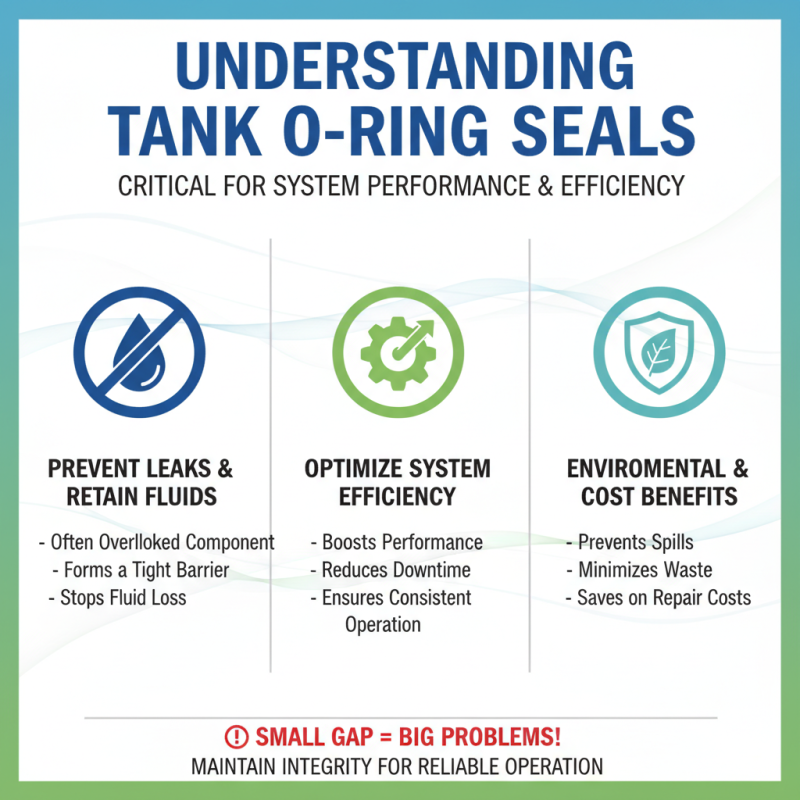
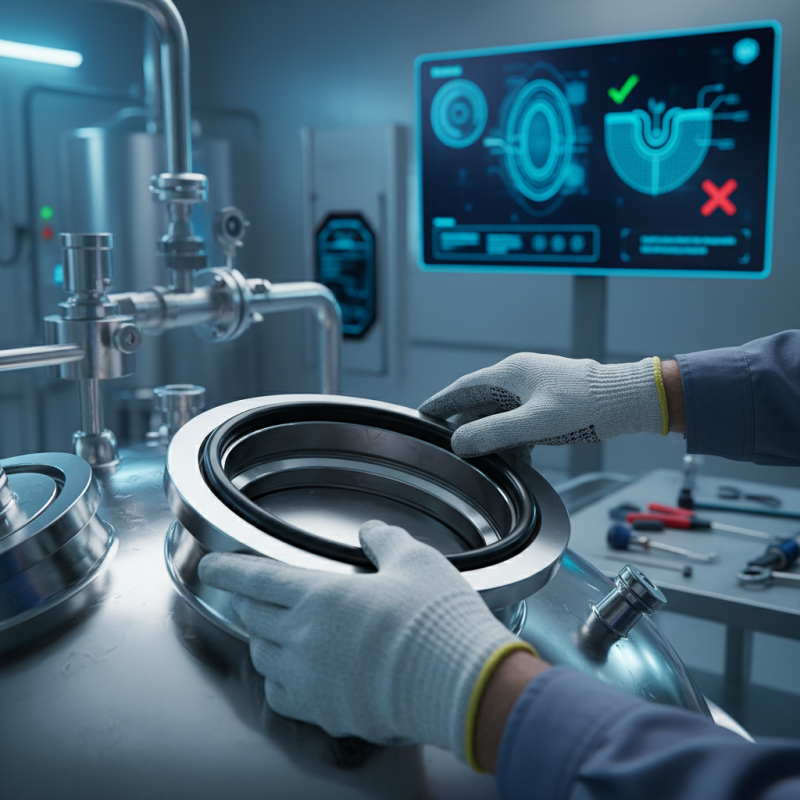
Tank O ring seals are often overlooked, but they play a critical role in system efficiency. These seals prevent leaks, ensuring fluid retention. A small gap can lead to significant losses over time. This not only affects performance but can also cause environmental concerns. Maintaining the integrity of these seals is essential for optimal operation.
Installing the O ring correctly is vital. An improperly installed seal might seem fine at first, but issues can arise quickly. Check for proper seating. Misalignment can result in leaks and malfunctions. It’s crucial to use the right materials and sizes. A slight variation can derail the entire system. Regular inspections and replacements are necessary, even if the seal looks intact.
Remember, a reliable seal contributes to overall system longevity. Investing time in installation can save more time and resources later. However, many overlook this step, leading to preventable issues. Reflecting on your approach is essential. A small mistake in the process might lead to major setbacks down the road. Engage with the details for uninterrupted performance.
Choosing the Right O Ring Material for Your Tank Installation
Choosing the right O-ring material is crucial for a successful tank installation. Different applications require specific materials. Common options include nitrile, silicone, and fluorocarbon. Each type has unique properties suited for varying environments. For example, nitrile is great for oil resistance, while silicone excels in high-temperature scenarios.
When selecting an O-ring, consider the tank's contents. Compatible materials can prevent leaks and ensure safety. However, using the wrong material might lead to premature failure. It could even cause costly damage down the line.
**Tips:** Always verify the temperature ranges. Check for chemical compatibility with the O-ring material. If unsure, consult a professional. It's better to take a little extra time than to fix major issues later. Regular inspections are also beneficial. They can help you catch wear and tear before it becomes a problem.
How to Properly Install a Tank O Ring Seal for Optimal Performance?
| O Ring Material |
Temperature Range (°C) |
Chemical Resistance |
Recommended Applications |
| Nitrile (NBR) |
-40 to 120 |
Good resistance to oils and fuels |
Automotive, industrial sealing |
| Viton (FPM) |
-20 to 200 |
Excellent resistance to chemicals and heat |
Petrochemical, food processing |
| EPDM |
-50 to 130 |
Good resistance to water, steam, and some chemicals |
Water systems, outdoor applications |
| Silicone |
-60 to 230 |
Limited chemical resistance |
Medical, food applications |
| Polyurethane |
-30 to 80 |
Good abrasion resistance |
Hydraulic systems, general sealing |
Step-by-Step Guide to Properly Installing a Tank O Ring Seal
Installing a tank O-ring seal correctly can enhance performance. Start by ensuring the installation surface is clean and dry. Any debris or old seal remnants can cause leaks. Inspect the O-ring for damages; it should be pliable and free from cracks. Sometimes, it helps to lightly lubricate the O-ring with a compatible lubricant. This can make installation smoother.
Next, position the O-ring in the groove. It should sit evenly without twists or overlaps. Press it gently into place. Pay attention to corners and edges; these are often trouble spots. After placing the O-ring, test the seal by applying light pressure to ensure it sits snugly. Some users forget this step, leading to future leaks.
Finally, install the tank lid or cover. Secure it as per the guidelines. Make sure it applies even pressure to the O-ring. Once everything is in place, inspect for any gaps or misalignments. This final check is crucial. Rushing through it may lead to bigger problems later. Take your time, and reflect on the installation process for optimal results.
Tank O Ring Seal Installation Performance
Common Mistakes to Avoid When Installing Tank O Ring Seals
When installing a tank O ring seal, common mistakes can lead to poor performance. One frequent error is not cleaning the sealing surface properly. Dirt or debris can prevent the O ring from seating correctly. Take a moment to wipe the surface clean. Use a cloth to remove any residue.
Another mistake is using the wrong lubricant. The type of lubricant can impact the seal's effectiveness. Some lubricants can degrade the O ring material. Always choose a compatible lubricant. A thick coating is unnecessary. A light application is sufficient and preserves the seal's integrity.
Many people stretch O rings too much during installation. This can cause damage. Instead, gently position the O ring, ensuring it sits evenly. Avoid twisting or forcing the seal into place. Such practices can create gaps or weak points, leading to leaks. Always reflect on your installation process to avoid these pitfalls.
Maintenance Tips for Ensuring Long-Lasting O Ring Performance
O-ring seals play a crucial role in various applications, providing essential sealing solutions. Regular maintenance is vital for maximizing their performance and longevity. According to industry studies, around 60% of O-ring failures are linked to improper installation or lack of maintenance. Ensuring that these seals are well cared for can lead to substantial cost savings and efficiency improvements.
One key aspect of maintenance is checking for wear and tear. Inspect O-rings for signs of cracking, swelling, or deformation. Even minor defects can compromise sealing integrity. A study showed that O-rings can lose up to 20% of their functionality when exposed to harsh chemicals or extreme temperatures. Regular inspections every few months can help catch issues early.
Proper lubrication is another essential practice for extending O-ring life. Using the correct lubricant reduces friction and wear. However, using too much lubricant can attract dirt, leading to potential seal failure. Unbalanced lubrication often affects performance negatively. Balancing lubrication with environmental contaminants is a challenge but necessary for optimal results.