Why Choose the Right Gas Regulator O Ring for Your Needs?
Choosing the right Gas Regulator O Ring is crucial for efficiency and safety in gas systems. According to industry expert Dr. Emily Carter, “Selecting the appropriate O Ring can prevent leaks and enhance performance.” This highlights the importance of selecting an O Ring that fits specific requirements.
Gas Regulator O Rings are not all the same. Materials, sizes, and compatibility with gases all impact their effectiveness. Failure to choose wisely can lead to costly failures and safety hazards. While many assume any O Ring will suffice, this is far from true. Decisions must be based on knowledgeable insights.
Consider the specific environment where the Gas Regulator O Ring will operate. Factors like temperature and pressure must be accounted for. An uninformed choice can result in leaks and operational failures, prompting a need for re-evaluation. Reflection on these details is essential to avoid issues later. Proper selection empowers better gas management and operational success.
Understanding the Role of Gas Regulator O Rings in Safety and Efficiency
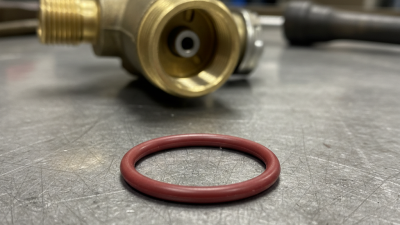
Gas regulator O rings play a crucial role in ensuring both safety and efficiency in gas systems. These small yet essential components maintain a tight seal within the regulator, preventing leaks that could lead to hazardous situations. A compromised O ring can create risks that are often overlooked. For instance, a tiny gap may not seem serious, but it can result in significant gas loss. This not only affects performance but also poses safety threats.
Selecting the right O ring is important. Consider factors like size, material, and compatibility with your gas type. Different gases require different materials. Using the wrong O ring can lead to rapid wear and tear. This leads to leaks more quickly than anticipated. Regular inspection of these parts is vital. O rings should be replaced at the first signs of wear to maintain system integrity. Investing in quality O rings enhances the overall efficiency of gas systems. Ignoring these details can result in costly repairs. Aim for a proactive approach to managing gas regulator components.
Types of Gas Regulator O Rings: Material and Design Considerations
When selecting a gas regulator O ring, material and design are crucial factors. Common materials include rubber, silicone, and fluorocarbon. Each has specific properties that affect performance. For instance, rubber O rings are good for general use. However, they may not withstand high temperatures. Silicone offers flexibility but can degrade in harsh environments. Fluorocarbon is more resistant to chemicals and extremes but is often pricier.
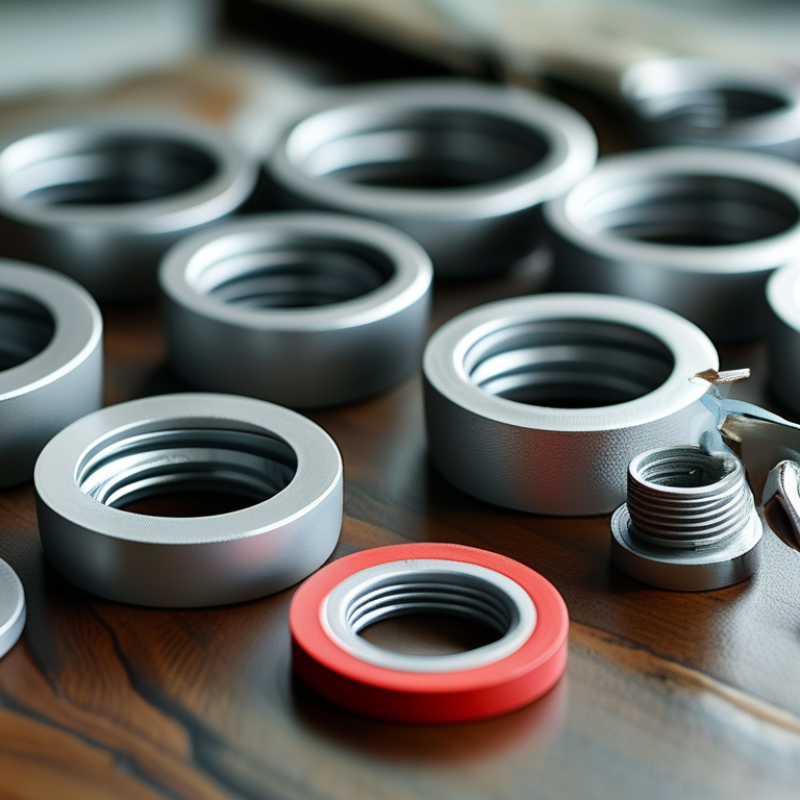
Design considerations also play a significant role. O rings come in various sizes and profiles. Choosing the wrong size can lead to leaks. A tight fit is essential for safety and performance. Additionally, the shape of the O ring influences its sealing capabilities. Some applications may require flat seals rather than traditional round ones. This choice can impact gas flow and pressure stability.
While it may seem straightforward, selecting the right O ring requires careful thought. Industry standards can guide choices but may not cover every unique need. O rings should be regularly inspected for wear and tear. Even small defects can have serious consequences. Understanding how materials react under various conditions will enhance reliability.
Factors to Consider When Selecting the Right Gas Regulator O Ring
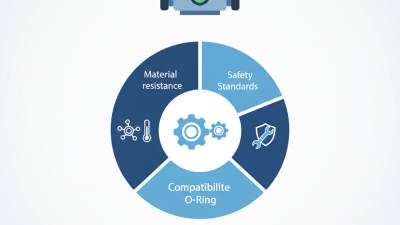
Choosing the right gas regulator O-ring is crucial for safety and performance. There are several factors to consider when making this selection. Understanding the material is essential. O-rings can be made from rubber, silicone, or other compounds. Each material has unique properties that affect gas compatibility and temperature resistance.
Another key factor is the size. O-rings come in various diameters and thicknesses. Selecting the correct size ensures a tight seal. If the O-ring is too small, it may not fit. If too large, it can cause leaks. This mismatch might seem minor but leads to significant issues later.
Additionally, consider the working pressure of your system. O-rings are rated for specific pressure levels. If you operate beyond these ratings, the O-ring could fail. This failure can result in dangerous leaks. Always double-check specifications to avoid this risk. Remember, the right choice prevents problems before they start. Choosing wisely is a step towards ensuring reliability in your gas systems.
Common Mistakes to Avoid When Choosing a Gas Regulator O Ring
Choosing the right gas regulator O ring is crucial for safe and efficient operations. One common mistake is selecting the wrong material. Gas regulators operate under varying pressures and temperatures. According to industry reports, Nitrile and Viton are widely used materials, each suitable for specific conditions. Switching materials without considering these factors can lead to failures.
Another frequent error is neglecting to check the size of the O ring. Even a small difference in diameter can cause leaks. A study from the Gas Equipment Association highlighted that over 30% of gas leaks stem from improperly sized O rings. Make sure to measure accurately before purchasing. Adjustments can be costly and hazardous.
When choosing an O ring, consider the environment it will face. Understand the chemical resistance required. Ensure it can withstand the gases involved. The right selection contributes to system reliability and safety.
Tip: Always consult with a gas safety expert or refer to technical data sheets for guidance. Missteps can lead to serious consequences, including accidents. Quality and compatibility are essential.
Why Choose the Right Gas Regulator O Ring for Your Needs? - Common Mistakes to Avoid When Choosing a Gas Regulator O Ring
| Dimension |
Material |
Temperature Rating (°C) |
Pressure Rating (PSI) |
Common Mistakes |
| 10 x 1.5 mm |
Nitrile Rubber |
-30 to 100 |
250 |
Ignoring temperature compatibility |
| 12 x 2.5 mm |
Viton |
-20 to 200 |
300 |
Selecting wrong material for gas type |
| 15 x 3 mm |
EPDM |
-40 to 120 |
150 |
Not verifying size and dimensions |
| 8 x 1.5 mm |
Silicone |
-50 to 200 |
100 |
Overlooking compatibility with regulator design |
| 20 x 4 mm |
Polyurethane |
-20 to 80 |
400 |
Ignoring pressure specifications |
Maintenance and Replacement Tips for Gas Regulator O Rings
Maintaining gas regulator O rings is crucial to ensure safety and reliability. Over time, O rings can wear out due to heat, pressure, and exposure to gases. Regular inspections can help identify signs of damage. Look for cracks or tears. Even small imperfections can lead to leaks, which pose serious risks.
When it comes to replacement, choosing the right material is essential. Certain materials offer better resistance to specific gases. While it may seem like a minor detail, it can make a significant difference in performance. Many users overlook this, leading to repeated issues. Consider the operating environment. High temperatures or corrosive gases may require special O rings for optimal functioning.
Remember to lubricate O rings during installation. This helps create a better seal and extends their lifespan. Not all users apply this step, resulting in premature failures. If you're unsure about the correct type or installation method, seeking advice from professionals is a wise choice. Use trustworthy sources and gather information from experts. A small effort today can prevent larger problems tomorrow.