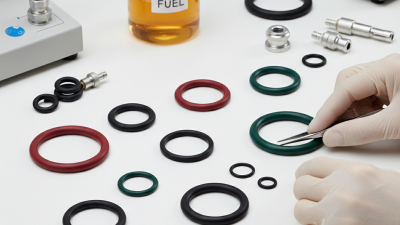
High Temp Orings are engineered sealing components for equipment exposed to intense heat, pressure, chemicals, and repeated movement. Unlike ordinary rubber seals, they use heat-resistant compounds such as FKM, silicone, or specialized perfluoroelastomers. Each material behaves differently. That detail matters.
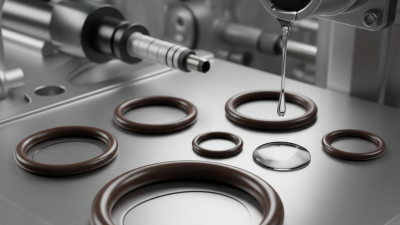
In practical applications, an O-ring sits inside a precisely machined groove. When compressed, it fills the small clearance between two surfaces. This blocks gases, fluids, or lubricants from escaping. As temperatures rise, the seal must remain flexible enough to maintain contact without softening, shrinking, or cracking. A suitable High Temp Orings design also considers pressure, fluid compatibility, surface finish, and installation stress.
Technicians often inspect seals after service. Flattened edges, hardening, surface blisters, and tiny cracks can reveal excessive heat or chemical attack. A darkened seal is not automatically a failed seal, though. Material history and operating conditions must be checked together. This is where many selections go wrong.
Reliable results depend on more than choosing the highest temperature rating. Manufacturers publish test data, compression limits, and chemical-resistance guidance, but real equipment may produce uneven heating or short-term temperature spikes. Engineers should verify the complete operating range before approval. Small groove errors can also cause large leaks.
This guide explains how High Temp Orings work, which materials suit demanding environments, and why correct installation affects service life. It also examines common failure patterns. Some assumptions deserve reconsideration. “High temperature” is not one universal condition.
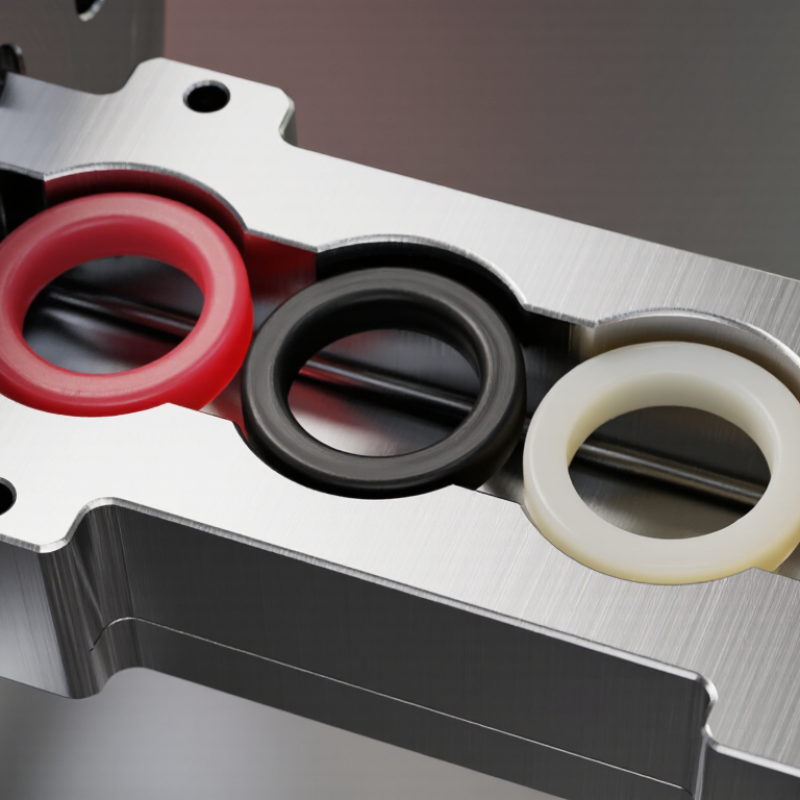
High-temperature O-rings are circular sealing components made for demanding heat conditions. They sit inside a groove and block fluids or gases from passing through a joint. Unlike ordinary seals, they use heat-resistant elastomers that maintain flexibility when temperatures rise. Common choices include fluorocarbon, silicone, and perfluoroelastomer compounds. Each material behaves differently.
The O-ring works through controlled compression. When installed, it presses against two mating surfaces and fills small gaps. Heat can soften the rubber, expand the parts, or reduce the seal’s resilience. A suitable compound must resist all three effects. Temperature ratings are useful, but they are not promises. Pressure, chemicals, movement, and exposure time can change performance significantly.
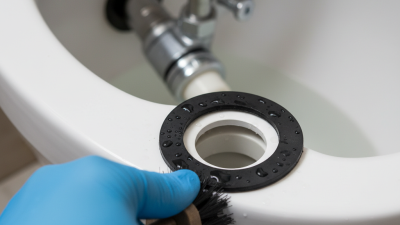
In practical maintenance, groove design matters as much as material selection. A sharp edge can cut the ring during installation. Too much compression may cause early damage. Too little compression can create leakage. Clean assembly helps. A thin, compatible lubricant may also reduce twisting and abrasion. Engineers usually check hardness, cross-section, pressure, and chemical exposure together. I have found that temperature is often treated as the main concern, while fluid compatibility receives less attention. That assumption can be costly. A seal may survive the heat yet swell, crack, or lose elasticity after contact with the working medium.
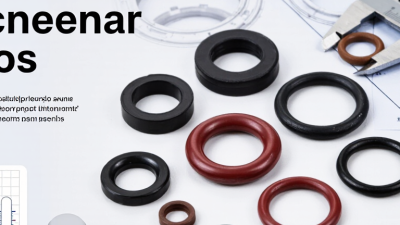
High-temperature O-rings rely on elastomers that resist heat, compression, and chemical attack. Fluorocarbon rubber, classified as FKM under ASTM D1418, commonly serves around 200°C in continuous service. Its low gas permeability suits fuel, oil, and many hydraulic applications. Silicone rubber, or VMQ, can also approach 200°C, but it usually performs poorly against fuels and abrasive movement.
Perfluoroelastomer, known as FFKM, can operate near 300°C in selected compounds. It offers exceptional chemical resistance, though its high cost limits routine use. EPDM generally handles steam and hot water well, often near 150°C, but it dislikes petroleum oils. PTFE can tolerate about 260°C, according to typical industry data, yet it has limited elasticity. O-ring designers may add energizers or adjust gland geometry. The seal works by elastic recovery. Pressure pushes the ring harder against the groove walls.
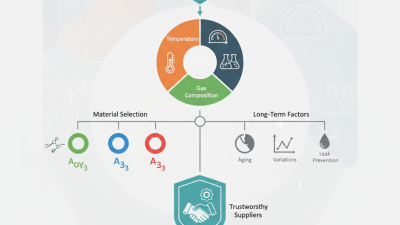
Tips: Check the compound’s actual temperature rating, not only its material name. ASTM D2000 heat-aging tests compare changes in hardness, tensile strength, and elongation. ISO 23936-2 also supports material qualification for demanding fluid environments. These data help, but they do not replace testing at real pressure and cycling conditions. A seal exposed to 230°C for ten minutes behaves differently from one exposed continuously. Material selection is not a perfect lookup exercise. I would still question any rating without compression-set results, fluid compatibility data, and installation details.
High-temperature O-rings seal by filling the small gap between two mating surfaces. During installation, the ring is compressed inside a machined groove. This creates initial contact pressure around the joint. When system pressure rises, the fluid pushes the O-ring against the groove walls. That pressure can strengthen the seal, if the groove is designed correctly.
Material selection controls how the O-ring behaves near heat sources. Compounds based on fluorocarbon, silicone, or other heat-resistant polymers may suit different temperatures and chemicals. Each material has limits. Excessive heat can cause hardening, swelling, cracking, or permanent compression set. The seal may look intact but leak after cooling. That detail is easy to miss.
Installation quality matters just as much. A sharp groove edge can cut the ring before operation begins. Dry assembly can also create twisting or abrasion. I have found that clean surfaces, suitable lubrication, and controlled stretching prevent many early failures. Still, no seal is perfect. Engineers must check temperature peaks, pressure changes, shaft movement, surface finish, and chemical exposure together. A slightly oversized ring is not automatically safer. It may extrude, bind, or lose its shape during repeated heating cycles. Testing under real operating conditions often reveals weaknesses that calculations overlook.
High-temperature O-rings seal gaps between metal surfaces by deforming under compression. Heat resistance depends heavily on elastomer chemistry, not simply the advertised temperature limit. ASTM D2000 classifies rubber compounds by properties such as heat aging, tensile strength, and volume change. These tests reveal an important detail: an O-ring may survive a temperature briefly, yet fail during continuous exposure.
Material selection matters most. Fluoroelastomers commonly operate near 200°C, while silicone compounds can reach approximately 230°C, depending on formulation and pressure. Perfluoroelastomers may exceed 300°C in specialized systems.
These figures reflect ranges reported in industry sealing handbooks, including the O-Ring Handbook and ASTM test guidance. They are not universal guarantees.
Pressure, movement, fluid contact, and surface finish also change performance. A hot seal exposed to steam can swell, harden, or lose elasticity. Rapid cooling may create thermal shock.
Installation is often overlooked. A sharp groove edge can cut the ring before service begins. Poor compression causes leakage; excessive compression accelerates aging.
NASA elastomer-seal research also shows that compression set increases with time and temperature. My practical concern is simple: published limits often assume ideal testing. Real equipment vibrates, contaminates the fluid, and cycles repeatedly. Test the complete seal system, not only the material coupon.
What Are High Temp O Rings and How Do They Work?
High-temperature O-rings are circular seals designed to resist heat, pressure, and chemical exposure. They sit inside a groove and compress against two mating surfaces. This compression blocks gases or fluids from escaping. Heat-resistant compounds may include fluorocarbon, perfluoroelastomer, silicone, or specialized ethylene-based materials. Each compound behaves differently.
Where Are High-Temperature O-Rings Commonly Used?
These seals are common in industrial ovens, furnaces, engine compartments, exhaust systems, and thermal processing equipment. They also support sealing in pumps, valves, vacuum chambers, and chemical processing lines. Semiconductor equipment may use them around heated chambers where cleanliness matters. In aerospace systems, they can face intense temperature changes and vibration. Food-processing machinery may require heat resistance alongside frequent cleaning. The correct choice depends on temperature, pressure, fluid type, movement, and exposure time. A temperature chart alone can mislead. Real equipment cycles are often harsher than laboratory conditions.
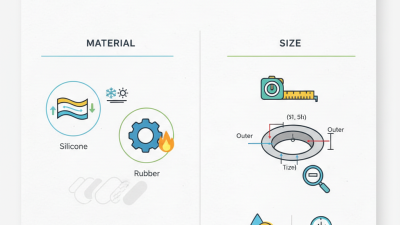
Tips: Check the continuous and peak temperature separately. Inspect the groove for scratches, sharp edges, or trapped debris. Measure the old seal before ordering replacements. Avoid stretching the ring excessively during installation. Use a compatible lubricant, if permitted by the process. Field checks matter. A seal that survives heat may still fail through swelling, compression set, or chemical attack. Selection is sometimes treated as a simple temperature decision, but that approach needs reconsideration. Small differences in media or pressure can change service life significantly.
| Material Type | Typical Continuous Temperature Range | Typical Short-Term Temperature Limit | How It Seals | Main Strengths | Common High-Temperature Applications | Important Limitations |
|---|---|---|---|---|---|---|
| Fluorocarbon Rubber | Approximately −20°C to +200°C | Up to approximately +230°C, depending on compound and exposure time | The elastomer is compressed inside a precisely sized groove. Its elastic recovery maintains contact pressure as the assembly moves or experiences thermal cycling. | Excellent heat resistance Good resistance to oils, fuels, and many hydraulic fluids |
Automotive engines, fuel systems, hydraulic equipment, pumps, valves, and industrial process equipment | Standard grades may have limited resistance to hot steam, hot water, and some polar chemicals. Low-temperature flexibility can also be limited. |
| Perfluoroelastomer | Approximately −15°C to +300°C | Some specialized grades can tolerate approximately +320°C for limited periods | It combines elastomeric recovery with very low chemical permeability, allowing the seal to remain compressed at elevated temperatures. | Very high heat resistance Outstanding chemical resistance and low compression set in demanding environments |
Semiconductor processing equipment, chemical reactors, high-temperature valves, vacuum systems, and analytical instruments | Usually more expensive than general-purpose elastomers. Mechanical properties and temperature capability vary significantly by formulation. |
| Silicone Rubber | Approximately −60°C to +200°C | Up to approximately +230°C for selected compounds and limited exposure | Its soft, flexible cross-section conforms well to mating surfaces and maintains sealing contact across a wide temperature range. | Wide temperature range Excellent flexibility, weathering resistance, and electrical insulation |
Ovens, lighting equipment, laboratory instruments, electrical enclosures, food-processing equipment, and medical devices | Lower tear and abrasion resistance than many other elastomers. It is generally unsuitable for many petroleum-based oils and fuels. |
| Ethylene Propylene Rubber | Approximately −50°C to +150°C | Up to approximately +175°C for limited exposure | The rubber compound is compressed in the gland and resists hot water, steam, and weathering while retaining elastic recovery. | Excellent steam resistance Good resistance to hot water, ozone, and outdoor exposure |
Steam valves, hot-water systems, heating equipment, cooling systems, and outdoor industrial machinery | Generally unsuitable for petroleum oils, mineral-oil lubricants, and many hydrocarbon fuels. |
| Hydrogenated Nitrile Rubber | Approximately −30°C to +150°C | Up to approximately +165°C for limited exposure | It uses elastic compression to block fluid paths while providing improved resistance to heat, pressure, and mechanical wear compared with conventional nitrile rubber. | Good wear resistance Good resistance to oils, fuels, high-pressure service, and dynamic motion |
Oilfield equipment, hydraulic systems, compressors, automotive powertrains, and rotating shafts | Not suitable for every chemical environment. Temperature capability may decrease when exposed to aggressive fluids or rapid decompression. |
| Polytetrafluoroethylene | Approximately −60°C to +260°C | Approximately +280°C for limited exposure, subject to design and grade | Unlike an elastomer, it seals primarily through low-permeability plastic deformation and close surface conformity. Energized designs may be used when additional recovery is required. | Very broad chemical resistance Low friction and strong resistance to high temperatures |
Chemical processing, corrosive-fluid service, high-temperature pumps, laboratory equipment, and static pipe connections | Low elastic recovery and possible cold flow make groove design, surface finish, compression, and installation especially important. |
| High-Temperature O-Ring Cross-Section | Common nominal cross-sections: 1.78 mm, 2.62 mm, 3.53 mm, and 5.33 mm | Actual permissible size depends on pressure, material hardness, groove design, and thermal expansion | The circular cross-section is compressed between two mating surfaces. This radial or axial squeeze creates a continuous contact line that prevents fluid or gas leakage. | Simple geometry Compact design, low part count, and suitability for static and selected dynamic sealing |
Flanges, covers, cartridges, connectors, valve stems, cylinders, pumps, and pressure vessels | An O-ring should not be selected by temperature alone. Squeeze, stretch, clearance gap, pressure, surface finish, lubrication, and chemical compatibility must also be checked. |
| Typical High-Temperature Service Conditions | Heat exposure may be continuous, intermittent, cyclic, or combined with pressure and chemical contact | Short-term temperature ratings should not be treated as continuous operating ratings | When heated, the seal must retain enough elasticity and compression force to compensate for changes in dimensions, pressure, and surface movement. | Designed for thermal cycling Can reduce leakage in compact, removable assemblies |
Engines, furnaces, ovens, exhaust systems, aerospace hardware, chemical plants, power-generation equipment, and semiconductor tools | Excessive temperature, incompatible fluids, compression set, extrusion, rapid pressure changes, and incorrect installation can cause premature leakage. |
Temperature values are typical engineering ranges rather than universal limits. The exact rating depends on the compound formulation, hardness, pressure, fluid, exposure time, groove design, surface finish, and whether the seal is static or dynamic.