Moken (Xiamen) Industrial Co., Ltd.
Leave Your Message

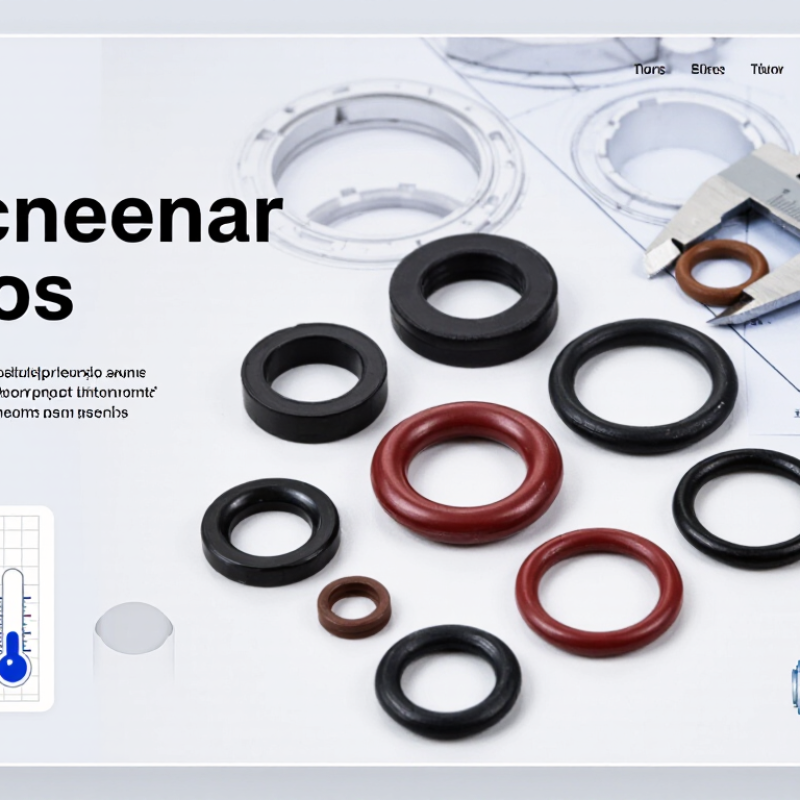
China Top High Temp Orings Manufacturers Guide

High Temp Orings are selected by service conditions, not by temperature claims alone. A seal beside a hot pump may face pressure spikes, oil exposure, repeated thermal cycles, and a narrow installation groove. Each factor can change performance. Small details matter.

Technical references help separate marketing language from engineering limits. Parker Hannifin’s O-Ring Handbook compares elastomer properties and temperature limits, while ASTM D2000 classifies rubber materials by defined physical requirements. These sources show why an advertised maximum temperature is not a universal operating guarantee. The actual limit depends on compound formulation, fluid compatibility, pressure, exposure time, and seal design. For example, two FKM compounds may behave differently in the same heated oil system.

Robert Flitney, author of Seals and Sealing Handbook, is a recognized sealing-industry technical writer. His published work supports a practical selection principle: match the seal material to the full operating environment, not temperature alone. This is a paraphrase, not a verified verbatim quotation; an exact quotation should not be attributed without a traceable source. No single market figure can reliably describe every High Temp Orings application, because reports often group seals across materials and end uses. This guide therefore focuses on verifiable specifications, manufacturer documentation, and questions buyers should ask China-based suppliers. A datasheet is a starting point. Test conditions are the real detail.
China Top High Temp Orings Manufacturers Guide

What High-Temperature O-Rings Are and How They Work

High-temperature O-rings seal by being compressed between two mating surfaces. Their elastic body pushes against the groove and blocks fluid or gas from passing through. Heat changes that. As temperature rises, elastomers may soften, lose strength, or take a permanent compression set. A ring that once sprang back can become flattened and leak.

Material selection depends on both temperature and exposure. Engineering reference tables commonly list FKM compounds for service near 200°C and some silicone compounds near 230°C, but these are approximate limits, not universal ratings. Oil, steam, pressure, and exposure time can narrow the usable range. ASTM D1414 describes laboratory tests for rubber O-rings, including methods for evaluating physical properties. Even so, a neat chart can mislead; real assemblies need testing under their actual conditions.

Tips: Check the compound’s datasheet and confirm compatibility with the fluid. Measure groove dimensions and squeeze, then inspect for flattening after a heat cycle. A small leak can start at a nick or uneven joint, not only from excessive temperature.

Materials and Performance Factors in High-Temperature O-Rings

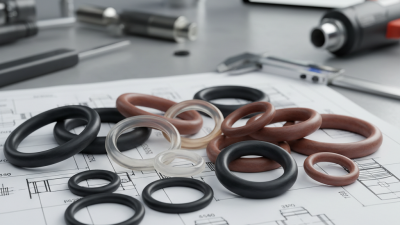
High-temperature O-ring performance depends on more than the polymer’s advertised temperature limit. ASTM D2000 classifies heat resistance from 70°C to 300°C, but these grades are test classifications, not guarantees of continuous service. Compound formulation, exposure time, pressure, and fluid compatibility all affect sealing life. FKM compounds often suit hot oils and fuels, while silicone retains flexibility across wide temperature swings. For hotter or chemically aggressive duties, FFKM may be considered, though its cost and compression behavior need checking. EPDM can work well with hot water or steam, but is generally unsuitable for petroleum oils. Small details matter.

Temperature also accelerates aging. ISO 11346 describes methods for estimating rubber service life from accelerated thermal-aging data, commonly using Arrhenius relationships. Such estimates help compare compounds, but real seals may face cycling, pressure pulses, and imperfect grooves. A seal exposed to hot oil in a gearbox may fail earlier if squeezed too tightly or installed with a twisted lip. Ask suppliers for test conditions, compression-set results, and fluid-specific aging data—not just a maximum temperature. Datasheets can mislead. I would treat any single temperature figure as a starting point, then validate the actual compound in the intended assembly.

China’s High-Temperature O-Ring Manufacturing Landscape

China’s high-temperature O-ring manufacturing landscape includes producers serving industrial equipment, automotive systems, energy projects, and process machinery. Their capabilities vary: some focus on molded parts, while others offer material selection and custom tooling. For buyers, the distinction matters. An O-ring exposed to a hot compressor housing faces different stress from one cycling in a heated fluid line. Temperature alone is not enough; media compatibility, pressure, compression, and exposure time all shape performance.

Common evaluation points include compound traceability, dimensional inspection, and testing under conditions close to actual use. Ask how suppliers control curing and check finished parts for surface defects or dimensional drift. Request test records tied to the proposed material, not only a general product sheet. Small details matter. A rough groove, for example, can shorten seal life even when the elastomer is suitable. Site audits and sample trials can help verify process consistency, though neither guarantees field performance. Specifications are sometimes incomplete, and that is worth admitting. Share operating conditions clearly, then compare samples and documentation before approving production.

How to Evaluate High-Temperature O-Ring Manufacturers in China

Choosing a high-temperature O-ring manufacturer in China starts with your actual operating conditions. Record the normal and peak temperatures, pressure, fluid exposure, and expected service time. A seal tested in dry heat may behave differently in hot oil or steam. Details matter.

Ask how the manufacturer selects compounds for your application. Request material data, batch traceability, and test results for properties such as compression set and hardness. Check whether testing reflects repeated heating and cooling, not just a short exposure. A neat certificate is useful, but it cannot replace a sample tested in your own assembly. Look closely for swelling, flattening, or small cracks after cycling.

Review dimensional control and production consistency. Ask for tolerances, inspection methods, and how defects are handled. If possible, compare several samples and discuss any variation openly. That conversation can reveal more than a polished brochure. Not every supplier will have every test you need, and a single result should not promise long service life. Record your acceptance criteria before ordering, then verify them with a controlled trial. Overlooked details happen; the important part is whether the manufacturer can explain them clearly and improve the process.

China Top High Temp O-Ring Manufacturers Guide: How to Evaluate High-Temperature O-Ring Manufacturers in China

A practical starting point for evaluating high-temperature O-ring suppliers is to compare the material families they can reliably manufacture, test, and document. The chart shows typical upper continuous service temperatures; actual limits depend on compound formulation, media, pressure, sealing design, and exposure time.

Typical engineering reference values: NBR up to approximately 100°C, EPDM up to 150°C, silicone rubber up to 200°C, FKM up to 200°C, and FFKM up to 300°C. During supplier evaluation, request compound data sheets, batch traceability, dimensional inspection records, compression-set results, and test evidence based on standards such as ASTM D1414, ASTM D395, and ISO 3601.

Applications, Quality Checks, and Sourcing Considerations

China Top High Temp Orings Manufacturers Guide

High-temperature O-rings support sealing in ovens, pumps, heat exchangers, and thermal processing equipment. Selection depends on heat exposure, pressure, chemicals, and movement. Fluoroelastomer suits many hot oil environments, while perfluoroelastomer handles more severe chemical and thermal conditions. However, material charts are only starting points. Actual service conditions can change performance.

Quality checks should begin with compound identification and dimensional inspection. Measure inner diameter, cross-section, hardness, and surface finish against approved drawings. Check compression set after controlled heat aging. A sample should also face pressure and leakage testing at the intended working temperature. Look for cracks, blisters, molding lines, and uneven flash. Small defects matter. Batch numbers, inspection records, and material certificates improve traceability. A polished certificate alone is not proof of stable production.

Sourcing requires more than comparing unit prices. Ask manufacturers about tooling control, mold maintenance, minimum order quantities, and replacement policies. Request samples from the same compound and production route used for bulk orders. Review factory testing equipment and calibration records when possible. Confirm packaging protects seals from ozone, sunlight, heat, and compression during shipment. Lead times may appear attractive, but rushed tooling can create dimensional variation. I have seen technically correct specifications fail because the supplier misunderstood installation conditions. Clear drawings, temperature cycles, media lists, and assembly details reduce that risk. A small pilot order is often wiser than immediate volume purchasing.