Moken (Xiamen) Industrial Co., Ltd.
Leave Your Message

7 Best Molded Gaskets for Global Industrial Buyers

Molded Gaskets rarely attract attention until a flange leaks, a pump stops, or a production line loses pressure. These small components protect larger systems in chemical processing, automotive manufacturing, food equipment, water treatment, and energy infrastructure. Material choice matters. So does geometry.

Industry reports indicate steady demand. MarketsandMarkets has projected continued growth for the global gaskets and seals market, driven by process equipment, transportation, and industrial maintenance. Grand View Research also identifies elastomer performance, replacement demand, and stricter equipment reliability requirements as important market forces. However, published estimates differ because some reports combine molded, cut, spiral-wound, and mechanical seals. That limitation deserves attention.

Real conditions are less tidy.

Temperature cycles, compression set, fluid exposure, surface roughness, and installation torque can determine service life. A gasket that performs well in laboratory testing may fail after repeated cleaning cycles or uneven bolt loading. John Bickford, a recognized authority on gasketed joints, states, “The purpose of a gasket is to create a seal between two surfaces.” The sentence sounds simple. The engineering is not.

This guide reviews seven Molded Gaskets for global industrial buyers, focusing on elastomer selection, dimensional consistency, pressure capability, chemical resistance, certification, and supplier reliability. It also considers practical details, such as storage conditions, batch traceability, and whether a supplier can reproduce the same profile across multiple production sites. No single gasket wins everywhere. The best choice depends on the application, and sometimes the most expensive option is merely overqualified.
7 Best Molded Gaskets for Global Industrial Buyers

What Molded Gaskets Are and Why Global Buyers Use Them

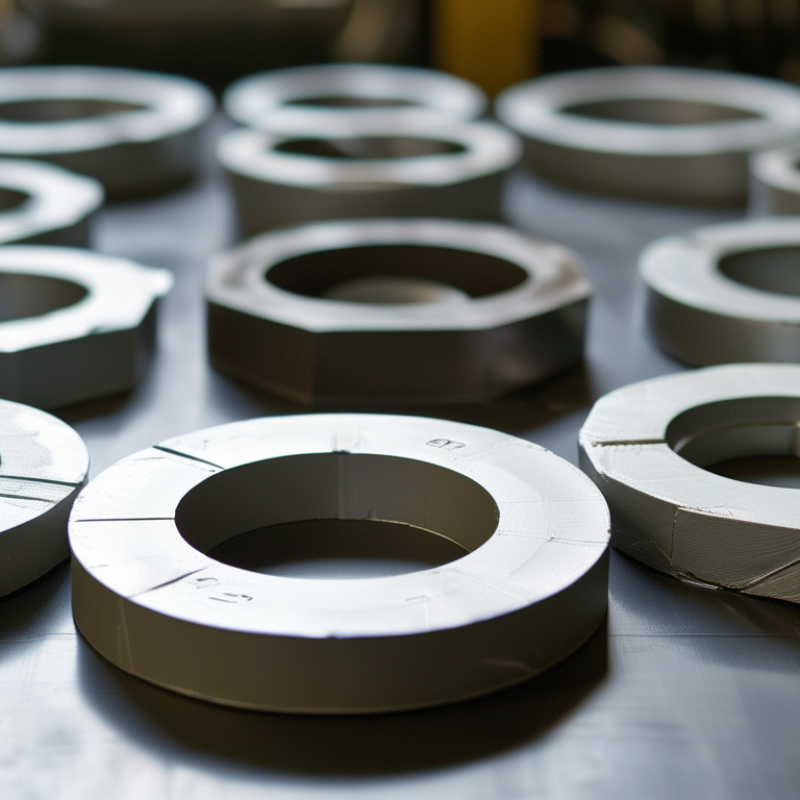
Molded gaskets are elastomer seals formed under controlled heat and pressure. A mold creates the required profile, thickness, holes, and sealing lips. Common designs include O-rings, frame seals, bonded seals, flange gaskets, plugs, diaphragms, and cable grommets. Each design suits a different joint.

Global industrial buyers choose molded gaskets for repeatable dimensions and dependable compression. A small pump, for example, may need a gasket that survives oil, vibration, and daily temperature changes. Buyers also compare rubber hardness, chemical resistance, operating temperature, and compression set. These details matter more than a low unit price.

Consistency helps international production.

Molded parts can simplify assembly across several factories. Clear drawings, inspection reports, and material certificates reduce misunderstandings between suppliers and engineering teams. Buyers should still request samples and test them in the real fluid, pressure, and temperature range. A gasket that performs well in water may swell in fuel or cleaning chemicals. That mistake is common.

I have found that surface finish is often overlooked. A perfect-looking seal can leak against a scratched flange. Tooling quality matters too, especially for thin lips and tight corners. However, custom molds can increase initial costs and may require revisions after testing. Global buyers should review tolerances, storage conditions, packaging, and applicable industry requirements before approving volume production.
How to Compare Gasket Materials, Designs, and Sealing Performance

7 Best Molded Gaskets for Global Industrial Buyers

How to Compare Gasket Materials, Designs, and Sealing Performance

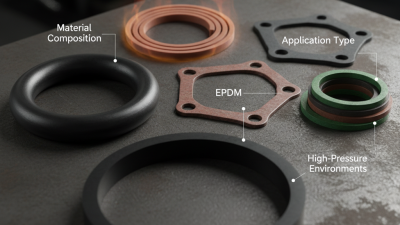
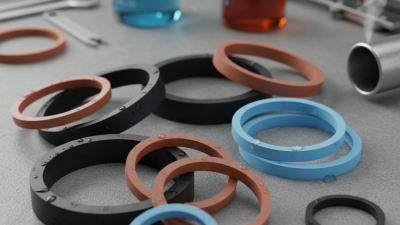
Choosing the best molded gasket starts with the service conditions, not the lowest quotation. Seven common options include EPDM, NBR, FKM, silicone, neoprene, polyurethane, and fluorosilicone. Each material responds differently to heat, oils, fuels, steam, ozone, and cleaning chemicals. EPDM handles weather and hot water well, while NBR suits many oil-based applications. FKM tolerates higher temperatures, but it may perform poorly with certain chemicals.

Design matters just as much as compound selection. O-rings work well in controlled grooves with suitable compression. Lip profiles can improve dynamic sealing, but they need accurate shaft dimensions and surface finish. Frame gaskets and custom profiles can seal large covers, though uneven clamping may create leakage paths. Check tolerance, corner radius, flash, joint location, and compression set. Small defects become serious under vibration.

Sealing performance should be verified with realistic testing. Measure leakage, compression recovery, swelling, hardness changes, and aging after exposure. Ask suppliers for material traceability, inspection records, and test data linked to recognized standards. Do not rely on temperature ratings alone. Pressure cycling and installation damage can change results. A gasket that looks perfect during a dry bench test may fail after repeated cleaning cycles. This is where buyers sometimes misjudge the design. Better review field conditions, assembly tools, storage time, and maintenance practices before approving production samples.

7 Best Molded Gaskets for Global Industrial Buyers - How to Compare Gasket Materials, Designs, and Sealing Performance

Molded Gasket Type Typical Material Common Temperature Range Typical Hardness Best Media Compatibility Typical Sealing Strengths Main Limitations Recommended Industrial Uses
O-Ring NBR, EPDM, FKM, silicone, or other elastomer compounds Approximately −50°C to +200°C, depending on compound 70–90 Shore A Selected according to the elastomer; options are available for oils, water, steam, fuels, and chemicals Excellent
Reliable radial or axial sealing in compact grooves; easy to standardize
Can suffer from extrusion, compression set, or chemical swelling if the material and groove are incorrectly selected Hydraulic and pneumatic equipment, valves, pumps, cylinders, pipe connections, and general machinery
Custom Profile Gasket EPDM, NBR, silicone, FKM, or thermoplastic elastomer Approximately −60°C to +250°C, depending on compound and profile 40–90 Shore A Air, water, weathering environments, oils, fuels, or chemicals when matched with the correct compound Excellent
Supports complex cross-sections, long sealing paths, and uneven or large mating surfaces
Requires accurate tooling, dimensional control, and correct compression design; higher tooling cost than standard shapes Enclosures, doors, windows, heat exchangers, electrical cabinets, vehicle systems, and industrial panels
Quad Ring Usually NBR, EPDM, FKM, or silicone Approximately −50°C to +200°C, depending on compound 70–90 Shore A Hydraulic fluids, lubricating oils, water, air, and selected fuels or chemicals Excellent
Four-lobed geometry can provide improved stability and lower friction compared with a conventional O-ring
Requires a compatible groove; performance depends strongly on extrusion gap, surface finish, and installation quality Dynamic hydraulic seals, rotating shafts, reciprocating pistons, and high-cycle equipment
Diaphragm Gasket EPDM, NBR, silicone, FKM, PTFE, or fabric-reinforced elastomer Approximately −50°C to +230°C, depending on construction 40–85 Shore A, or reinforced composite construction Water, air, gases, oils, process chemicals, and pharmaceutical fluids when properly specified Excellent
Provides flexible movement isolation and can separate process media from mechanical components
Limited stroke, pressure, and flex-life if overstretched; unsupported diaphragms may be sensitive to pressure spikes Pumps, actuators, regulators, metering systems, control valves, and process equipment
Grommet Gasket EPDM, silicone, NBR, neoprene, or thermoplastic elastomer Approximately −40°C to +200°C, depending on material 40–90 Shore A Air, moisture, dust, vibration, oils, and mild chemicals according to compound selection Good
Combines sealing with edge protection, strain relief, and vibration damping around holes
Usually unsuitable for high internal pressure; sealing depends on panel thickness, hole tolerance, and compression Electrical enclosures, control panels, cable pass-throughs, appliances, vehicles, and machinery guards
Lip Seal NBR, FKM, polyurethane, PTFE, or silicone-based sealing material Approximately −40°C to +250°C, depending on material and design 70–95 Shore A or engineered PTFE construction Lubricating oils, hydraulic fluids, fuels, water, and selected aggressive chemicals Excellent
Designed for dynamic shafts or rods; sealing lip can retain lubricant and exclude contaminants
Requires controlled shaft finish, runout, hardness, and alignment; pressure capability is design-specific Rotary shafts, gearboxes, pumps, motors, hydraulic cylinders, and automotive or industrial drives
Sanitary Clamp Gasket EPDM, silicone, FKM, PTFE, or other hygienic-grade elastomer Approximately −50°C to +230°C, depending on material 50–90 Shore A, depending on compound Water, food products, cleaning solutions, steam, pharmaceuticals, and selected process chemicals Excellent
Provides a replaceable seal for hygienic pipe joints and supports cleanable process designs
Requires correct clamp load and dimensional fit; excessive tightening can distort the gasket or restrict flow Food and beverage lines, breweries, dairy processing, biotechnology, pharmaceutical systems, and sanitary utilities
Selection note: Temperature and pressure ratings are typical material or design ranges, not universal limits. Final selection should verify media compatibility, pressure, compression, extrusion gap, surface finish, dimensional tolerances, regulatory requirements, and the manufacturer’s test data.

Seven Molded Gasket Types for Different Industrial Applications

7 Best Molded Gaskets for Global Industrial Buyers

Molded gaskets support reliable sealing across pumps, valves, engines, and processing equipment. The right profile depends on pressure, temperature, motion, and chemical exposure.

O-rings suit static joints in hydraulic blocks and pipe fittings. Square rings offer greater contact area for flanges under moderate pressure. Lip gaskets manage rotating shafts, where a narrow sealing edge meets a metal surface. U-seals handle reciprocating rods in cylinders, especially when pressure changes direction. They need accurate grooves.

Grommets protect cables and tubes passing through sharp metal panels. Diaphragm gaskets flex repeatedly in dosing pumps, regulators, and control valves. They should resist fatigue, not merely chemical attack. Custom molded profile gaskets fit access doors, heat exchangers, and irregular housings. Their success depends on precise drawings and controlled compression.

Material selection remains critical. Nitrile works well with many oils, while silicone tolerates broad temperature swings. Fluoroelastomer compounds often suit aggressive fluids, but they may perform poorly in cold environments. Check fluid compatibility, compression set, surface finish, and storage conditions before purchasing. Small details matter. I have seen correct profiles fail because installers stretched them across sharp edges. A perfect catalog choice is rare; testing under real pressure and temperature is safer.

How to Select Gaskets for Pressure, Temperature, and Chemical Media

7 Best Molded Gaskets for Global Industrial Buyers

Selecting molded gaskets starts with pressure, temperature, and chemical media. A gasket that seals water may fail quickly in hot oil. Field inspections often reveal the same mistake: buyers choose hardness before checking fluid compatibility. Do not repeat it.

For general water and steam service, EPDM is often practical. NBR suits mineral oils and fuels. FKM handles many hydrocarbons and elevated temperatures. PTFE offers strong chemical resistance, but it can creep under sustained pressure. Silicone performs well across changing temperatures, while polyurethane resists abrasion. Graphite-based molded solutions may suit demanding heat, but oxidation conditions require careful review.

Pressure changes the decision. Check flange loading, compression set, extrusion risk, and bolt relaxation. ASTM D2000 helps classify elastomer performance, while ASTM D1418 identifies polymer families. ISO 23936-2 provides guidance for nonmetallic materials in petroleum applications. These standards support selection, but they do not replace actual media testing.

Temperature ranges need evidence. Short exposure is not the same as continuous service.

The U.S. Department of Energy reports that compressed-air leaks can waste 20–30% of compressor output.

Small gasket failures can therefore create large operating losses. Inspectors should record surface temperature, pressure cycling, cleaning chemicals, and installation torque. A neat material chart can mislead. Laboratory immersion testing is safer when the fluid contains additives, solvents, or unknown contaminants. Metadata from ASTM and ISO documents should be checked against the latest editions.

How Buyers Can Verify Quality, Compliance, and Supply Reliability

7 Best Molded Gaskets for Global Industrial Buyers

When evaluating molded gaskets, buyers should compare EPDM, NBR, silicone, FKM, neoprene, polyurethane, and PTFE-based designs. The best choice depends on temperature, pressure, chemicals, movement, and media exposure. Experience shows that material names alone prove little. Request the compound specification, drawing revision, hardness range, tensile data, and compression-set results. Measure samples with calibrated tools. Small dimensional errors can create serious leakage.

Quality verification should follow the part’s actual service conditions. Ask for production samples, batch records, inspection reports, and controlled change procedures. A practical supplier can explain mold maintenance and cavity consistency. Check relevant compliance documents, such as material declarations or food-contact evidence, when the application requires them. Do not accept generic certificates without matching part numbers and test dates. This is often overlooked.

Supply reliability needs evidence, not promises. Review monthly capacity, tooling ownership, raw-material sources, lead-time history, packaging methods, and backup production plans. Confirm how the supplier handles urgent orders and nonconforming lots. A small pilot order can expose weak controls before a full launch. Yet no checklist is perfect. I have seen approved samples pass inspection while later batches varied in hardness. Buyers should keep periodic requalification, incoming checks, and clear escalation contacts. A written quality agreement makes responsibilities easier to verify.

How to read this chart: The values show typical upper continuous-use temperatures for common molded gasket material families. Actual performance depends on compound formulation, media, pressure, compression, and design.

Buyer verification: Confirm the supplier’s technical datasheet, material traceability, batch test reports, dimensional inspection results, applicable ISO or industry certifications, production capacity, lead-time history, and contingency plans before approval.