



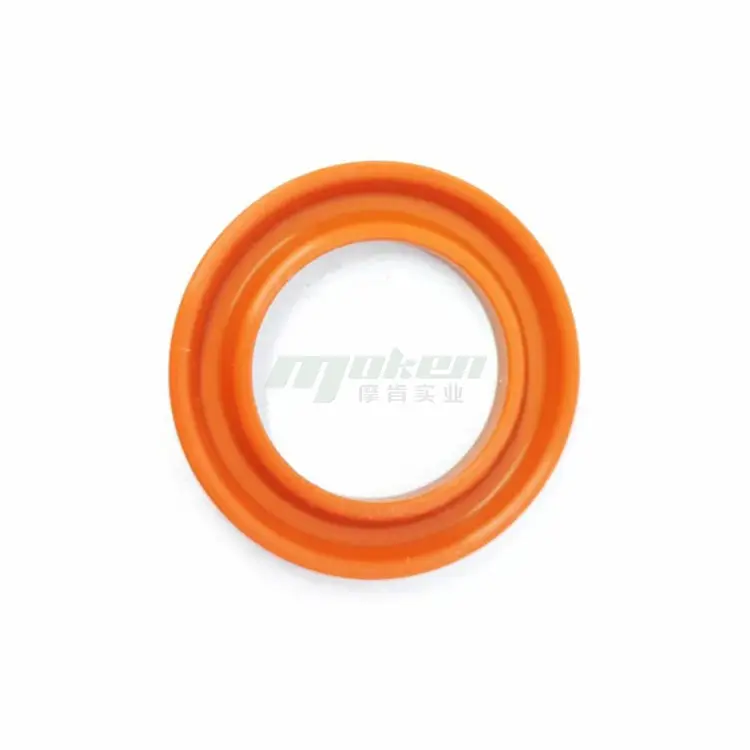
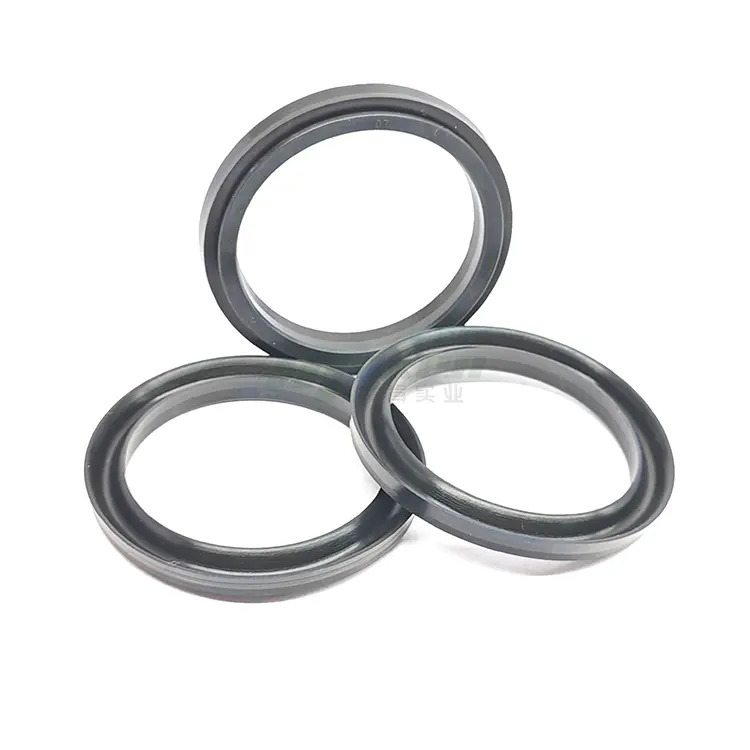
High - Performance Rubber V - Rings
-
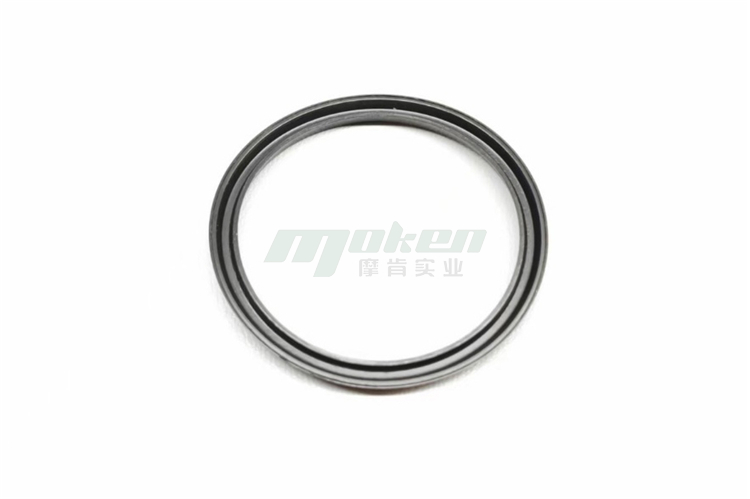
Sealing and Isolation
01Its main function is to form a sealing barrier between mechanical parts to prevent the leakage of fluid media between different parts or regions, ensuring the sealing and integrity of the system. -
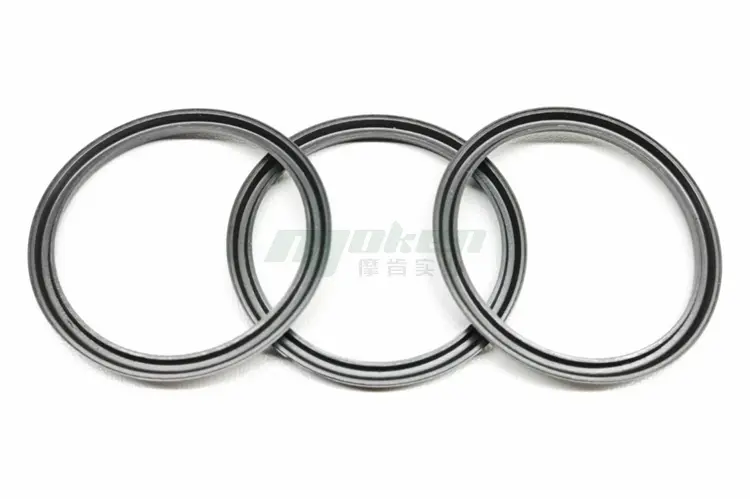
Displacement Compensation
02It can compensate for the displacement and deformation between parts caused by factors such as mechanical movement, thermal expansion and contraction within a certain range, and maintain the sealing effect. -
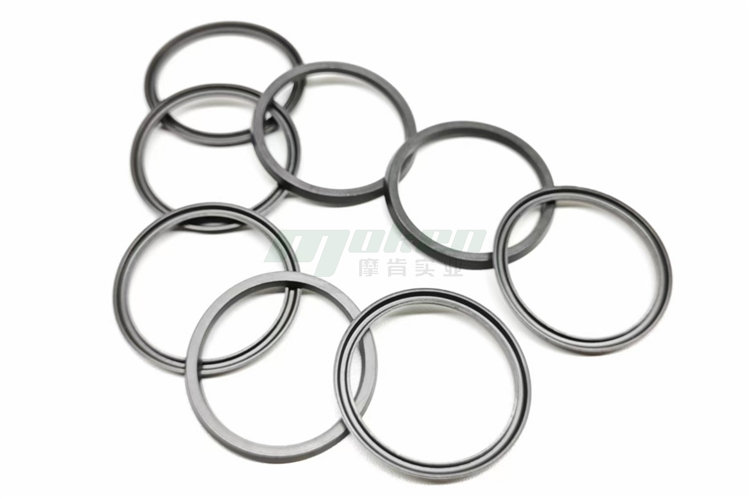
Buffering and Shock Absorbing
03The elasticity of rubber enables it to absorb and buffer the vibrations and impact forces generated by mechanical movement, reducing the damage to the sealing parts and the entire system.
-
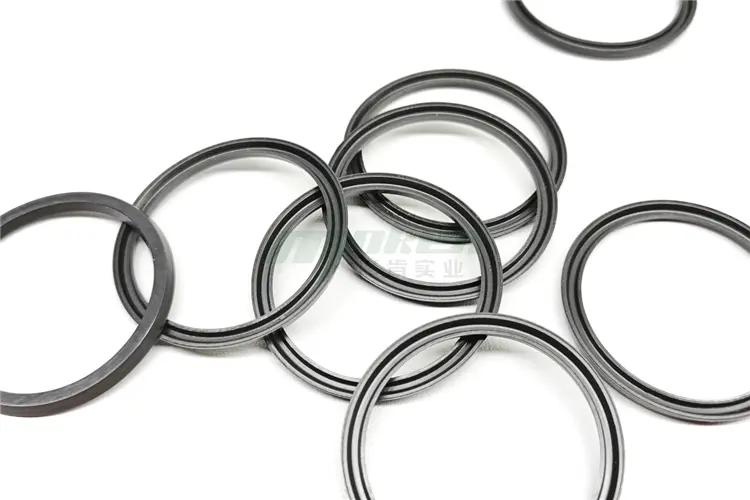
Mechanical Transmission Field
01Commonly used for the sealing of various rotating shafts, such as the shaft seals of equipment like motors, reducers, and pumps, to prevent the leakage of lubricating oil and at the same time block the entry of external dust and impurities into the equipment. -
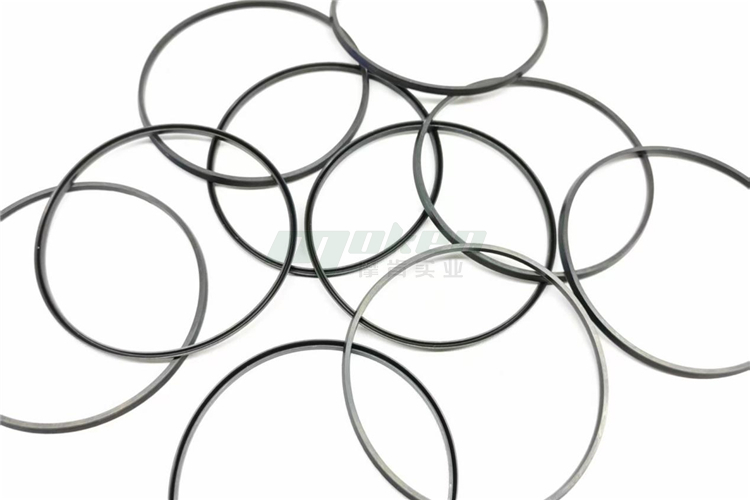
Hydraulic System
02In parts such as between the piston and the cylinder barrel of a hydraulic cylinder, and between the spool and the valve seat of a hydraulic valve, it is used to seal the hydraulic oil to ensure the stable pressure and normal operation of the hydraulic system. -
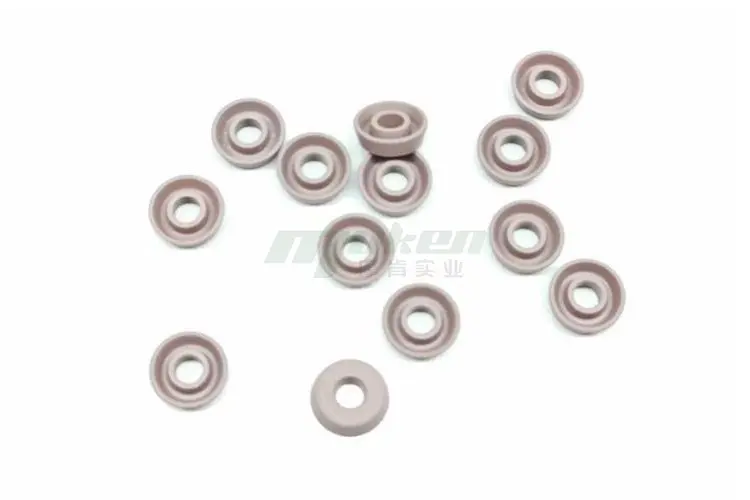
Automobile Industry
03Widely applied in components such as the engine, transmission, and drive shaft of automobiles, such as the rear crankshaft oil seal of the engine and the output shaft seal of the transmission, to ensure the sealing and reliability of each system of the automobile. -
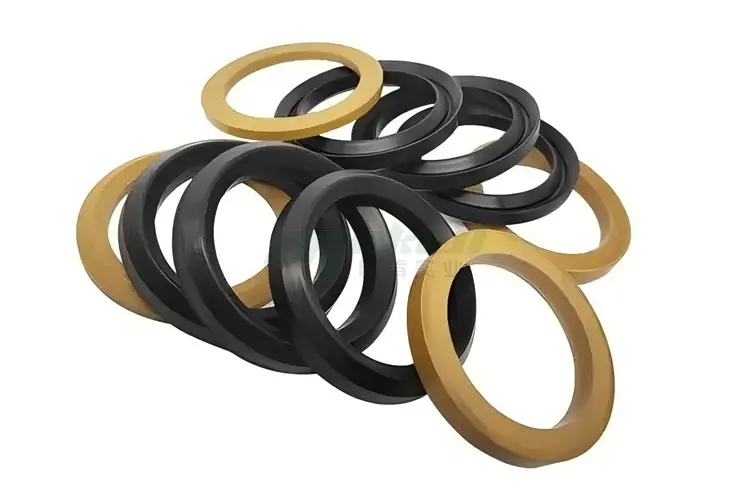
ipeline Connection
04At the interfaces of pipelines, it is used to seal the fluid inside the pipeline to prevent leakage, and is suitable for pipelines transporting various media such as water, oil, and gas. -
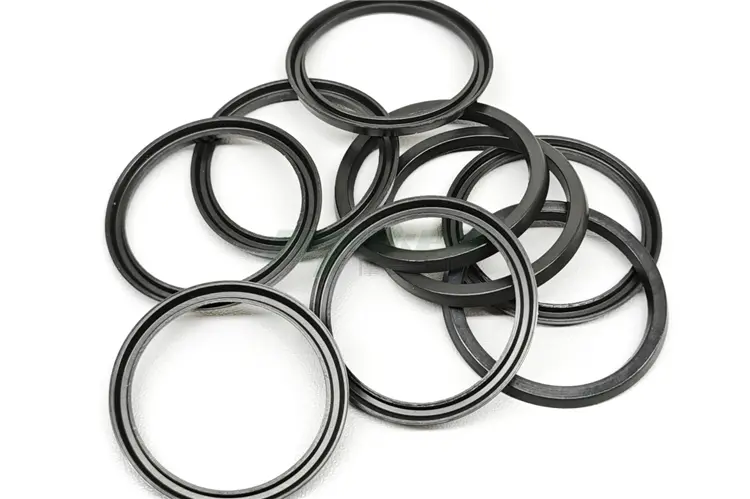
Water Lifting and Dividing Devices for Drinking Water
05It has good corrosion resistance and abrasion resistance, can work stably in the long-term drinking water supply environment, and reduces the frequency of maintenance and replacement. It can precisely control the distribution of water flow to avoid unnecessary waste of water resources. Through a reasonable design and sealing structure, it can prevent the water from different water use points from flowing back into the main pipeline, avoiding cross-contamination of water quality. Our company's raw materials have passed the following certifications: AS/NZS4020 in Australia/New Zealand, JFSL 370/JIS S3200-7 in Japan, KIWA in the Netherlands, KTW/W270/W534/DVGW in Germany, NSF61 in the USA, Ö-NORM/LMG in Austria, WRAS/WRC in the UK, EN681-1 in Europe, PAK/PAH, ensuring the hygiene and safety of drinking water. -
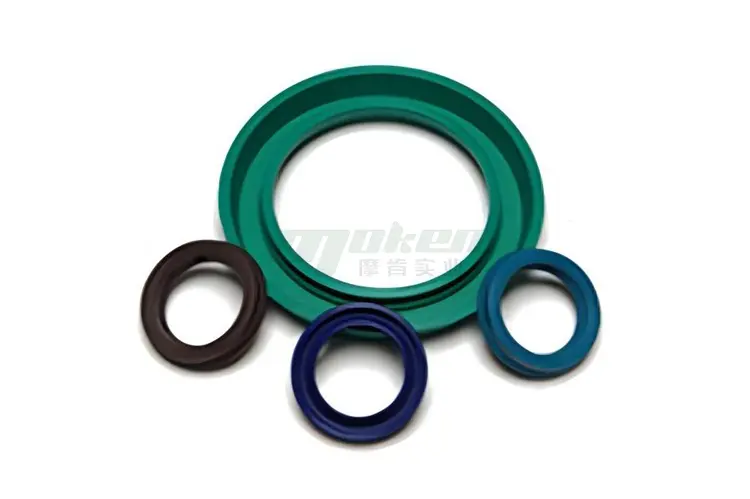 06The applicable temperature range is from -55°C to 150°C. Other lower and higher temperatures can be customized. It can withstand relatively high pressure (up to dozens of MPa at the maximum), and is resistant to various chemical media such as oil, chloramine, acids, and alkalis.