



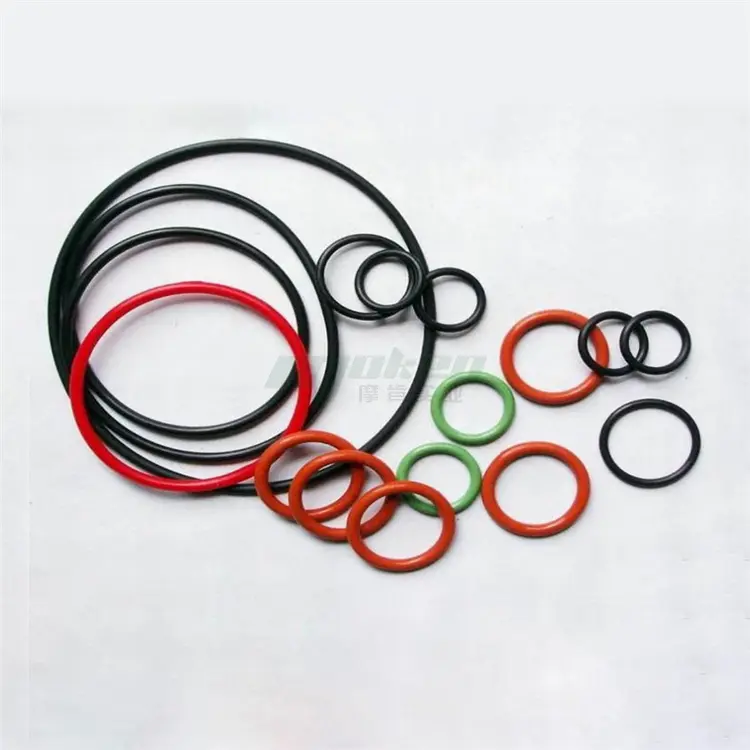
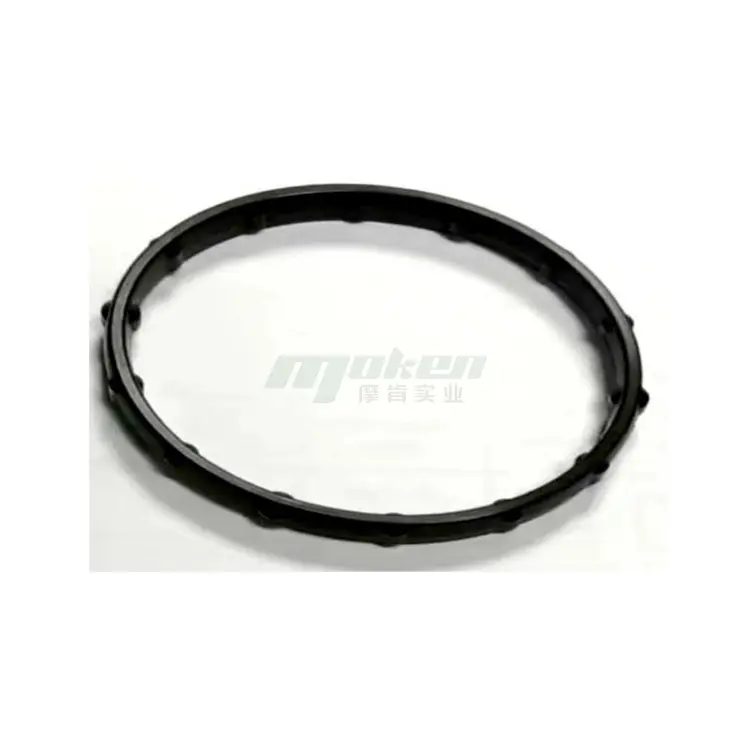
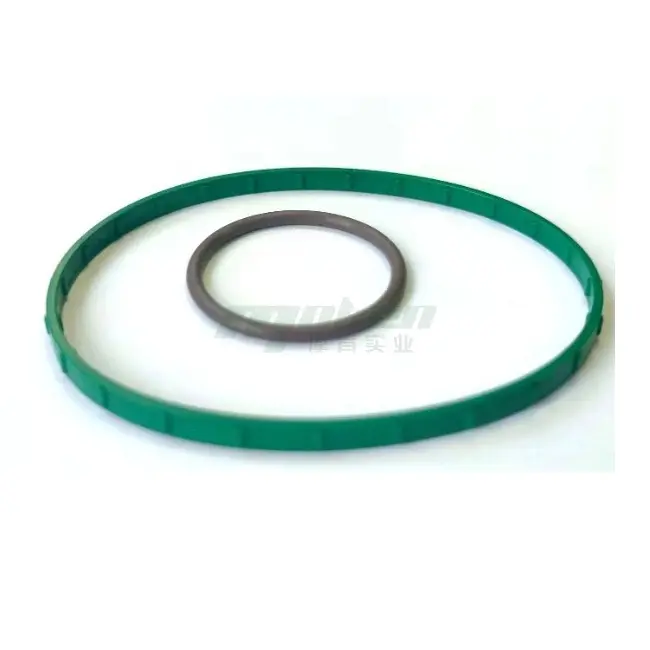
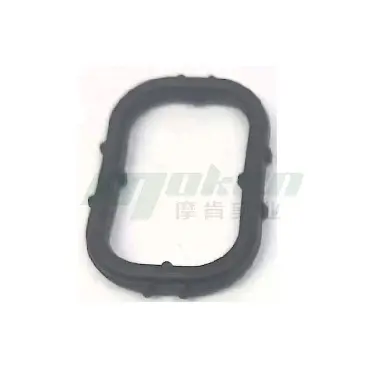
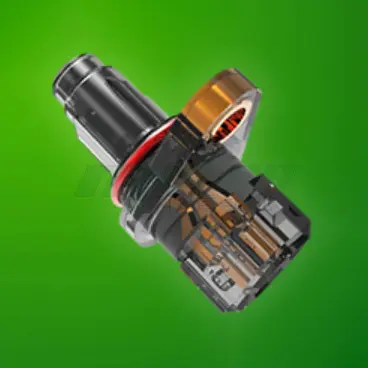
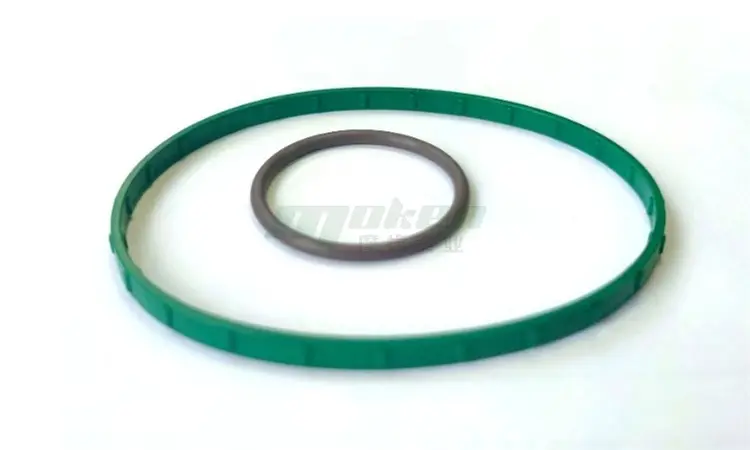
O-Rings for Automotive Sensors
-
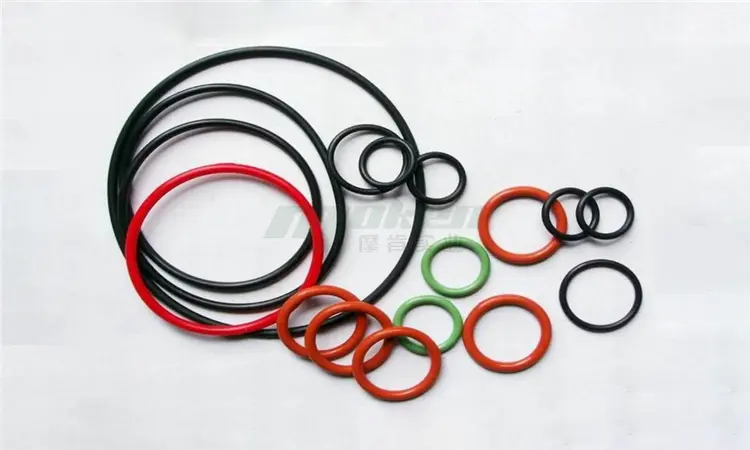
Materials
01- Silicone rubber (VMQ): It has good resistance to high and low temperatures, electrical insulation properties, and chemical stability. It is non-toxic and odorless, and can adapt to a variety of complex environments.- Fluororubber (FKM): It has outstanding oil resistance, chemical corrosion resistance, and high-temperature resistance, and can remain stable in harsh environments.- Nitrile butadiene rubber (NBR): It has a relatively low cost, good oil resistance, and certain mechanical strength and elasticity.- Hydrogenated nitrile butadiene rubber (HNBR): It has excellent comprehensive performance, combining oil resistance, high-temperature resistance, and anti-aging properties. -
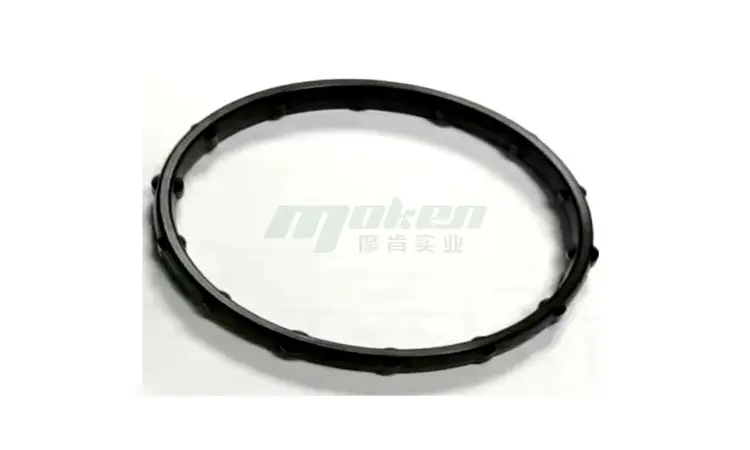
Operating Temperature
02- The operating temperature range of O-rings made of silicone rubber is usually around -80°C to 300°C.- O-rings made of fluororubber can work stably at temperatures ranging from -20°C to 250°C or even higher.- The operating temperature of nitrile butadiene rubber is generally between -40°C and 120°C.- Hydrogenated nitrile butadiene rubber can work normally in the temperature range of -25°C to 150°C.
-
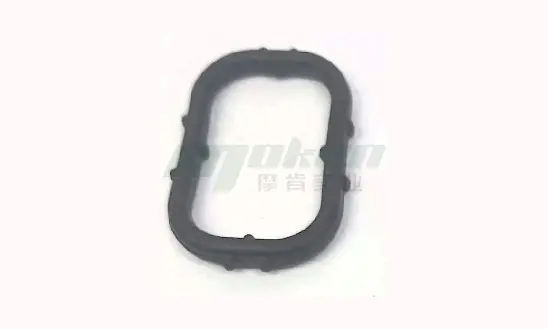
Application Environment
01- O-rings for automotive sensors are applied to various parts of the vehicle, such as the engine compartment, chassis, and vehicle body. The environment in the engine compartment is the harshest, facing high temperatures, vibrations, oil stains, etc.; the chassis part has to withstand the impact of mud, sand, and changes in high and low temperatures; the interior of the vehicle body is relatively mild, but there are also factors such as humidity and electrical interference. -
Application Scenarios
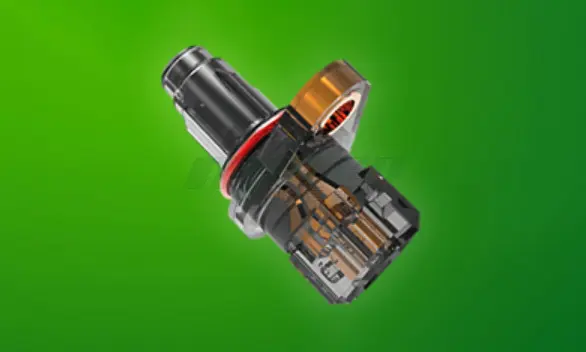
02- Installed on engine-related sensors such as engine temperature sensors, pressure sensors, and oxygen sensors to ensure that the sensors work normally in high-temperature and oily environments.- Used for chassis sensors such as wheel speed sensors and height sensors to prevent the intrusion of mud, dust, etc. from affecting the performance of the sensors.- Installed on various electronic sensors of the vehicle body, such as rain sensors and light sensors, to provide protection and sealing.
-
Advantages and Disadvantages
01- Advantages: Simple structure, easy installation, and relatively low cost; good sealing effect, which can effectively protect the sensor; a variety of materials are available, and suitable materials can be flexibly selected according to different application environments; it has certain wear resistance and anti-aging properties, and has a relatively long service life.- Disadvantages: It has high requirements for the flatness and cleanliness of the installation surface, otherwise the sealing effect will be affected; in extreme environments, such as ultra-high temperature, ultra-low temperature, or strong chemical corrosion environments, the performance may decline or be damaged; after long-term use, the sealing will fail due to aging and wear. -
Material Selection
02- If the sensor is located in the engine compartment with high temperature and heavy oil pollution, fluororubber or hydrogenated nitrile butadiene rubber is a better choice because of their outstanding oil resistance and high-temperature resistance.- For sensors with high requirements for electrical insulation and a wide operating temperature range, silicone rubber is more suitable.- When cost is the main consideration factor and the working environment does not require extremely high oil resistance, nitrile butadiene rubber can meet the basic needs. -
Function
03- The core function is sealing, protecting automotive sensors from interference and damage caused by external environmental factors, ensuring that the sensors can accurately and stably collect and transmit data, thereby ensuring the normal operation of the vehicle's electronic control system and improving the safety, reliability, and performance of the vehicle.