



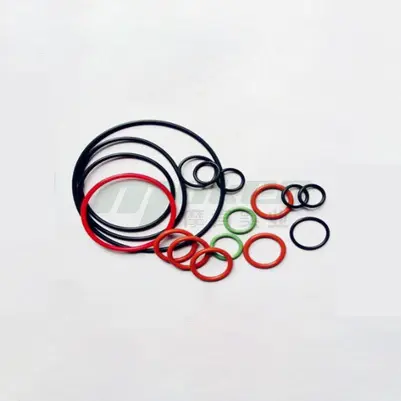
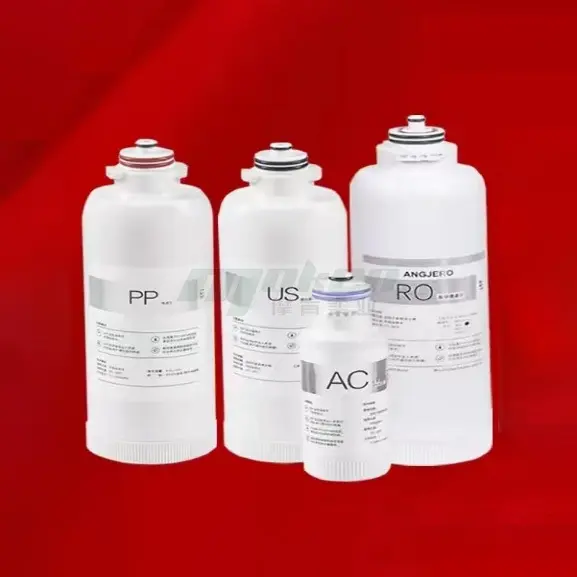
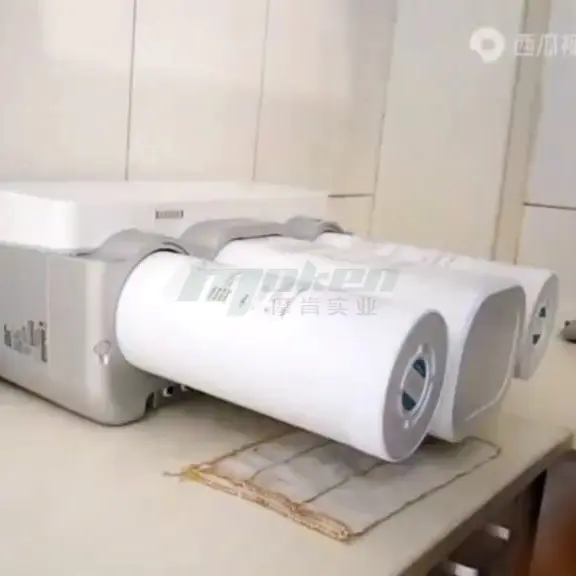
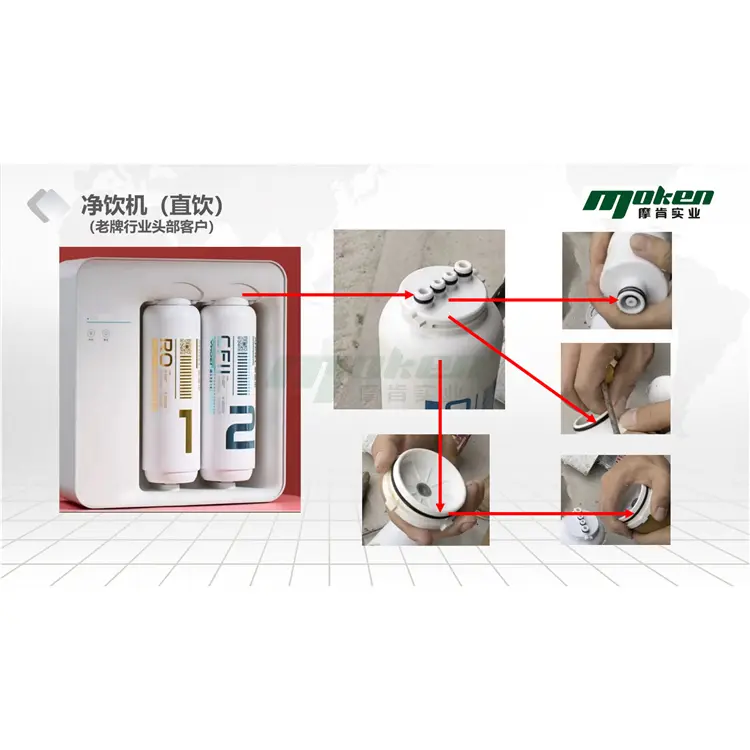
O-Ring of Water Purifier and O-Ring of Direct Drinking Faucet
-
Usage temperature
01-Generally speaking, O-rings commonly used in water purifiers and direct drinking faucets, such as those made of ethylene propylene diene monomer (EPDM) material, can work in the range of -40 ℃ to 150 ℃ and can stably perform in household water environments at room temperature (5 ℃ -35 ℃). The working temperature range of nitrile rubber (NBR) material is usually between -40 ℃ and 120 ℃, which is suitable for water purification processes that generally do not come into contact with high-temperature hot water. -
application environment
02-Mainly used in water purification equipment and supporting direct drinking faucets in homes, offices, and other places. The environment is relatively mild and mainly comes into contact with municipal water that has been preliminarily treated or filtered by water purifiers. The pressure is generally within the normal range of household water supply pressure (about 0.1-0.6 MPa).
-
Application scenarios
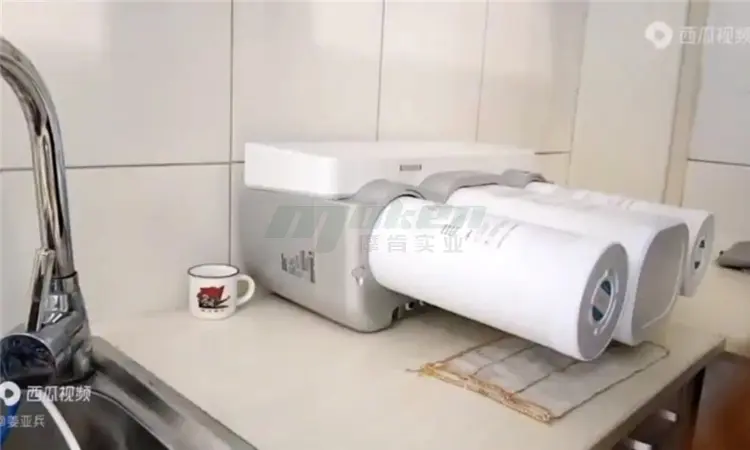
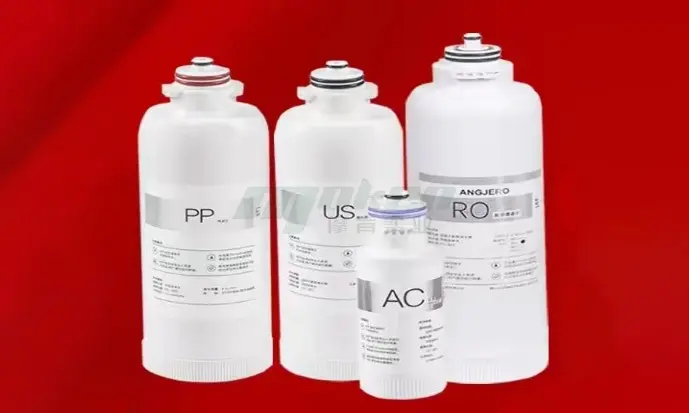
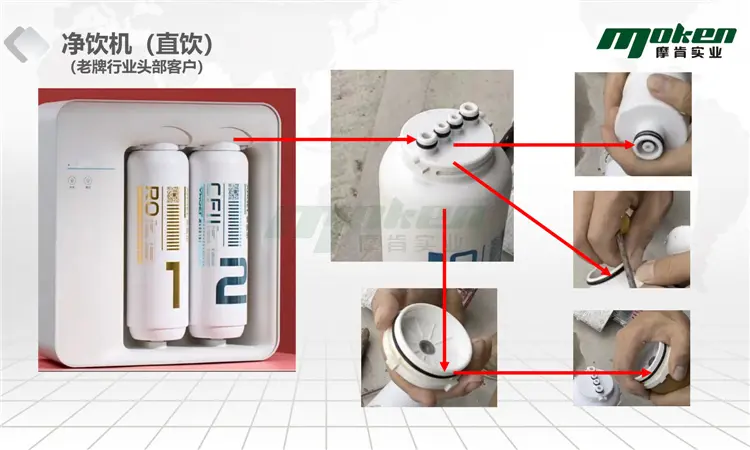
01-In water purifiers, O-rings are commonly used at filter interfaces, inlet and outlet ports, and water storage tank connections to prevent water leakage, ensure filtration efficiency, and ensure normal equipment operation.-In direct drinking faucets, O-rings are generally installed on valve cores, water outlets, and other parts to ensure sealing when the faucet is turned on and off, prevent water leakage, and ensure the hygiene and normal supply of drinking water. -
Advantages and disadvantages
02-Advantages: Simple structure, easy installation, and low cost; Good sealing effect, can effectively prevent water leakage; Diverse size specifications to meet the needs of different devices; Wide range of material selection, able to choose suitable materials according to different application environments.-Disadvantages: Long term use may lead to a decrease in sealing performance due to aging and wear; High requirements are placed on the flatness and cleanliness of the installation surface, otherwise it may affect the sealing effect; Performance degradation or damage may occur in environments with high temperatures, high pressures, or special chemical substances.
-
Material selection
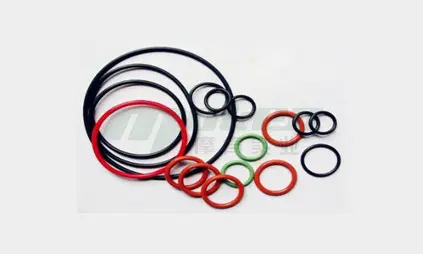
01-Ethylene propylene diene monomer (EPDM): good water resistance, good resistance to hot water and steam, strong anti-aging performance, good chemical stability, and resistance to some chemicals in water, suitable for use in parts contacting hot water, such as hot water purifiers or hot water channels of direct drinking faucets.-Nitrile rubber (NBR): Outstanding oil resistance, although mainly used in environments that come into contact with oil, it is also suitable for parts that have certain requirements for oil resistance (such as parts that may come into contact with a small amount of oil) or do not come into contact with high-temperature hot water in the field of water purification, with relatively low cost.-Silicone rubber (VMQ): It has excellent high and low temperature resistance, can work in the temperature range of -60 ℃ to 200 ℃, is non-toxic and odorless, meets drinking water hygiene standards, and is commonly used in key sealing parts that come into direct contact with drinking water. -
Effect
02-The main function is to seal and prevent water leakage during the operation of the water purifier and direct drinking faucet, ensuring the normal operation of the equipment and the hygiene and safety of drinking water. At the same time, good sealing can maintain stable pressure inside the equipment, improving its service life and performance.