



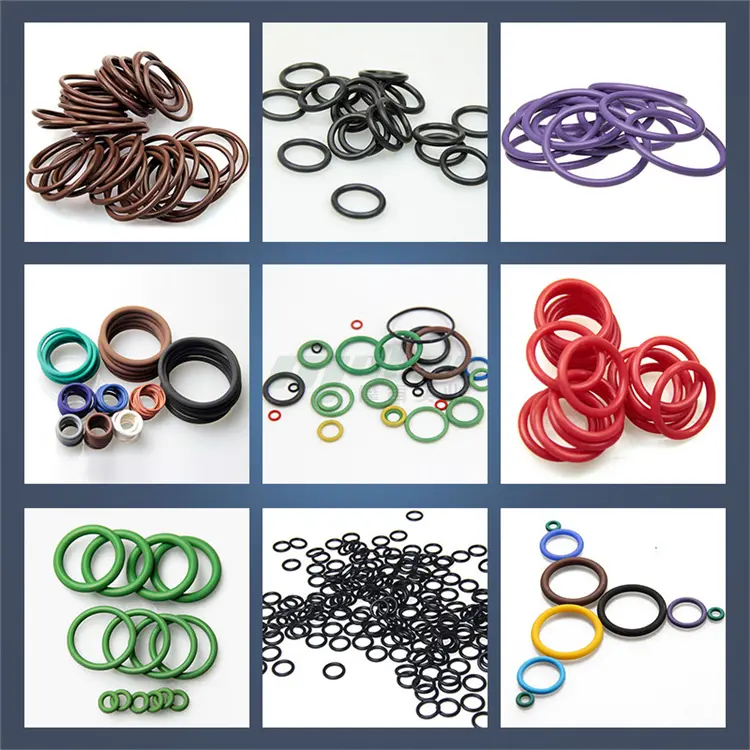
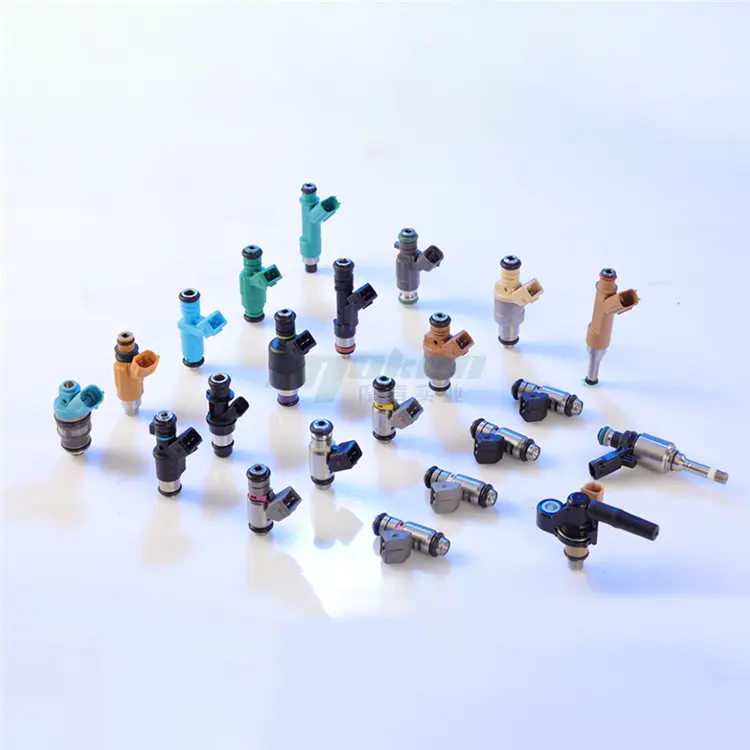
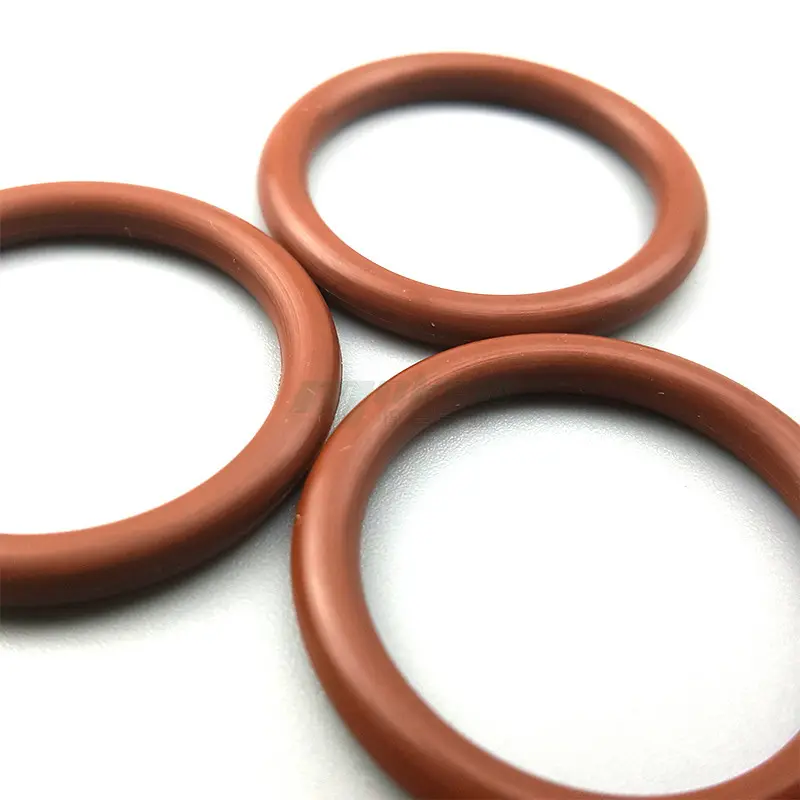
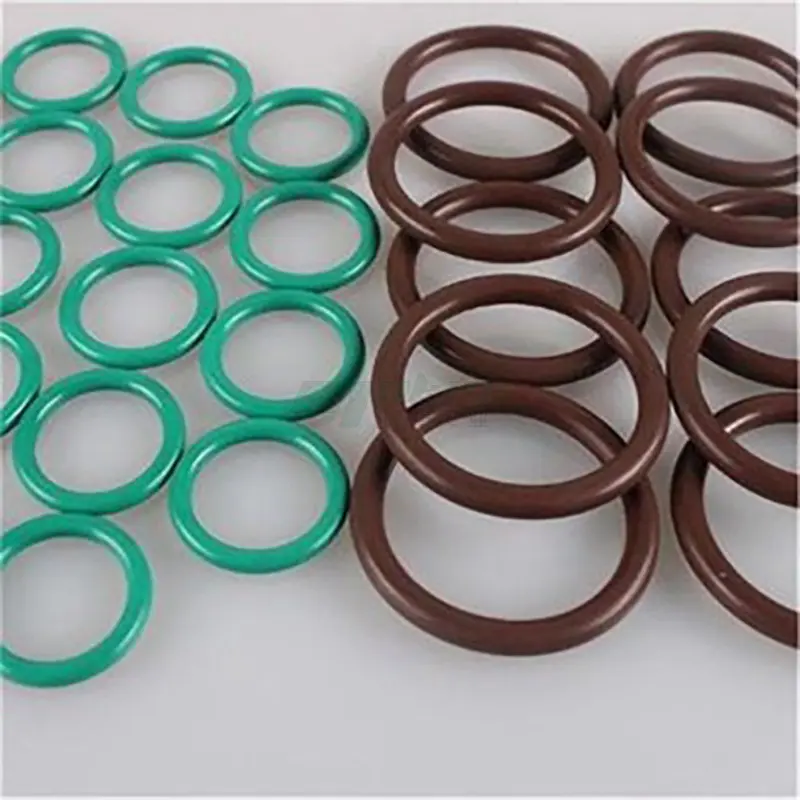
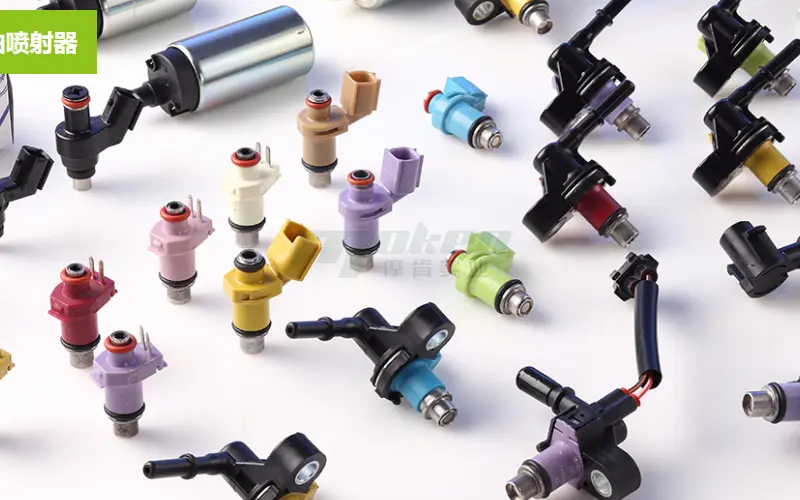
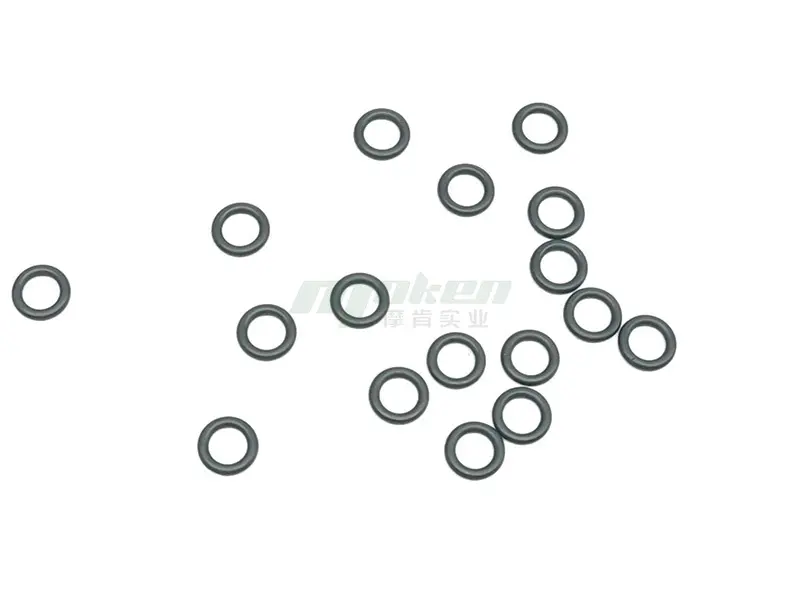
O-Ring of the Precision fuel injector
-
Operating Temperature
01The operating environment temperature of the O-ring of the fuel injector varies greatly. Generally speaking, the operating temperature range of the O-ring made of nitrile butadiene rubber (NBR) is roughly between -40°C and 120°C. The O-ring made of fluororubber (FKM) can work stably at temperatures ranging from -20°C to 200°C or even higher. When the engine is running, the temperature around the injector may be relatively high, and the O-ring needs to maintain its performance within this temperature range. -
Application Environment
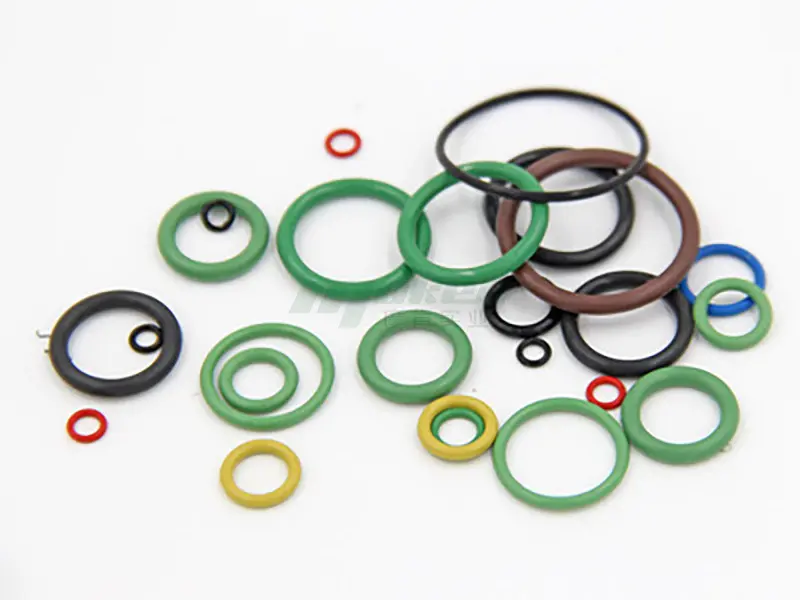
02It is mainly applied to the fuel injection systems of internal combustion engines in vehicles such as cars and motorcycles. Located in the engine compartment, in addition to coming into contact with fuel, it also faces high temperatures, vibrations, and various mechanical stresses generated by the operation of the engine. -

Application Scenarios
03It is installed at the connection between the fuel injector and the fuel pipeline, and at the installation part between the injector and the engine cylinder block, etc., playing a role in sealing the fuel to ensure the accuracy and stability of fuel injection. -
Advantages and Disadvantages
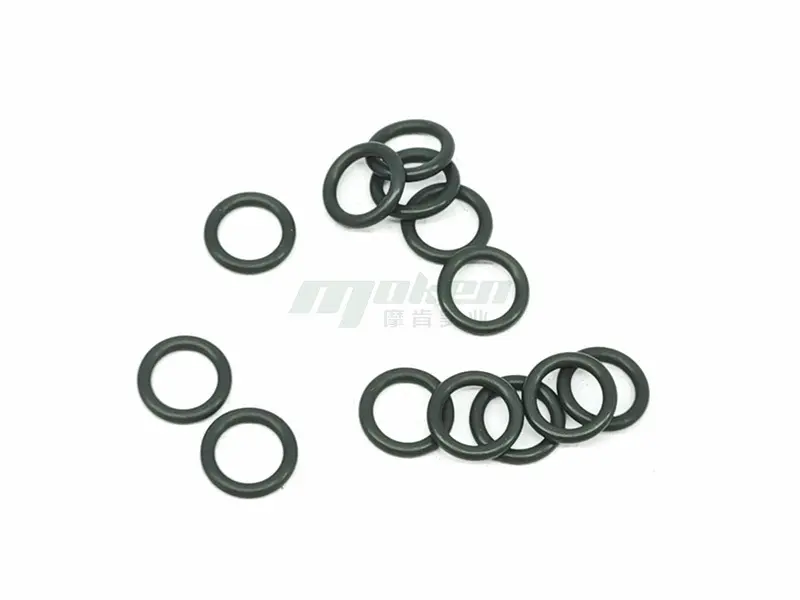
04- Advantages: Compact structure, easy to install, and can effectively seal the fuel system; a variety of size specifications are available to be adapted to different models of fuel injectors; good oil resistance and anti-aging properties can ensure stable operation for a long time and reduce the frequency of maintenance and replacement.- Disadvantages: It has high requirements for the working environment. High temperatures, high pressures, or special fuel components may affect its performance; after long-term use, the sealing may fail due to aging and wear, posing a risk of fuel leakage; improper installation may cause damage to the O-ring and affect the sealing effect.
-
Material Selection
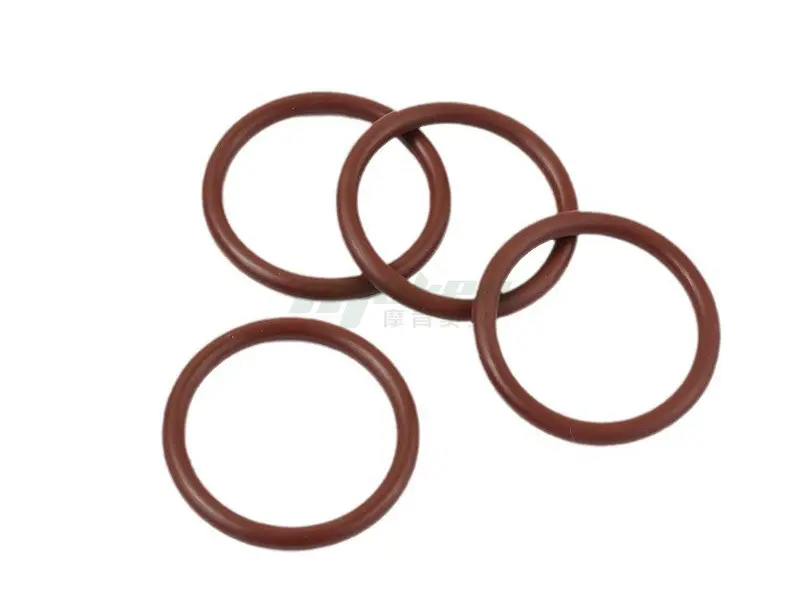
01- Nitrile Butadiene Rubber (NBR): Relatively low in price and with good oil resistance, it can meet the requirements of general fuel systems and is suitable for environments where the temperature and fuel quality requirements are not particularly strict.- Fluororubber (FKM): It has excellent oil resistance, high-temperature resistance, and chemical stability, and can adapt to harsher working conditions, such as high-performance engines or vehicles using special fuels, but the cost is relatively high.- Hydrogenated Nitrile ButadieRubne ber (HNBR): Its comprehensive performance is between that of NBR and FKM. It has good oil resistance, high-temperature resistance, and anti-aging properties, and is often used in situations where high performance is required but the cost also needs to be controlled. -
Functions
02Its key function is to seal the fuel injection system to prevent fuel leakage, avoiding fuel waste and potential safety hazards. At the same time, it ensures the accuracy of fuel injection, enabling the fuel to be injected into the engine cylinder at an appropriate pressure and flow rate, improving fuel combustion efficiency, reducing exhaust emissions, and enhancing the engine's power performance and fuel economy.