

The Key Applications of Rubber Parts in Gas Automatic Shut-off Valves
In the gas safety protection system, gas automatic shut-off valves are of great importance, and rubber parts are the core elements for the valves to function.
The rubber seals inside the gas automatic shut-off valve are the first line of defense against gas leakage. The rubber sealing rings between the valve seat and the valve core can form a tight fit when the valve is closed, blocking the flow of gas. Even under complex conditions such as pipeline pressure fluctuations and vibrations, they can ensure no gas leakage with their excellent elasticity and sealing performance, greatly reducing the risk of accidents caused by gas leakage.
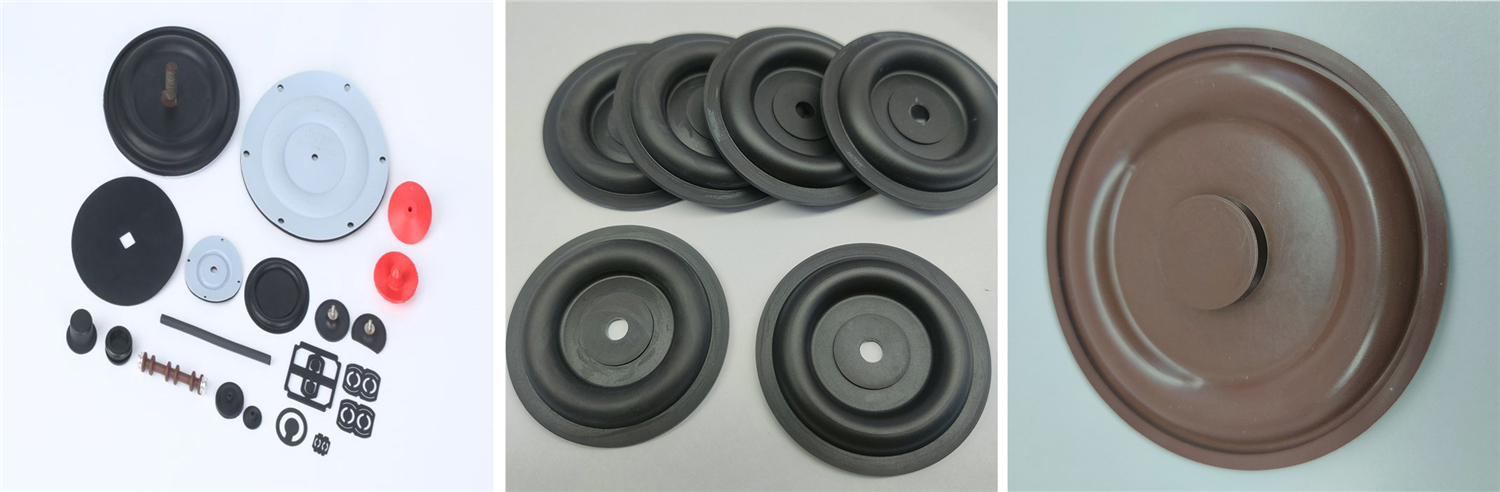
The rubber diaphragm is also a key component of the automatic shut-off valve. It separates different chambers inside the valve and plays a role in transmitting power when the pressure changes. When the gas pressure in the pipeline rises or drops abnormally to the set value, the rubber diaphragm will deform due to the pressure difference on both sides, triggering the closing mechanism of the automatic shut-off valve. Its good flexibility and fatigue resistance ensure normal operation even under frequent pressure changes, reliably controlling the opening and closing of the valve.
Rubber cushion pads are also indispensable in gas automatic shut-off valves. They are installed between the moving parts inside the valve, effectively buffering the impact force generated when the parts move, reducing noise, and extending the service life of the valve. Especially when the automatic shut-off valve closes rapidly, the rubber cushion pads can reduce the collision damage between parts, ensuring that the automatic shut-off valve maintains stable performance during long-term use and providing continuous and reliable protection for gas use safety.

It can be said that rubber parts, with their sealing, sensing, and buffering properties, comprehensively guarantee the normal operation of gas automatic shut-off valves and are an important cornerstone for safeguarding gas use safety.
Rubber seals are the most common rubber applications in gas equipment. At the connection parts of gas pipelines, such as elbows and tees, rubber sealing rings can tightly fill the gaps to prevent gas leakage. At the valve connections of household gas stoves, rubber gaskets ensure airtightness during switch operations, avoiding potential safety hazards caused by gas leakage. In industrial gas equipment, the complex pipeline systems rely even more on rubber seals to maintain a high degree of tightness and ensure production safety.
Gas delivery hoses are also crucial rubber products. They are made of rubber materials resistant to gas corrosion and have good flexibility, enabling them to adapt to different installation environments and facilitating the delivery of gas from pipelines to terminal equipment. Moreover, these hoses have a certain compressive capacity and can withstand the gas pressure during normal use, ensuring a stable delivery process.
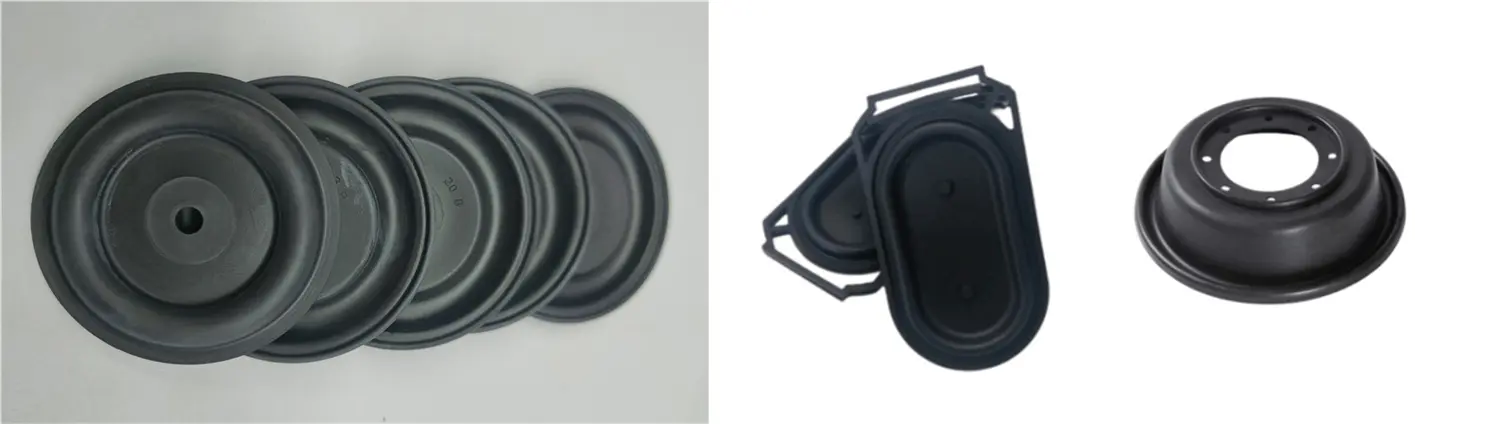
In addition, rubber shock-absorbing pads are also used in gas equipment. Equipment such as gas compressors generate vibrations during operation. Rubber shock-absorbing pads can effectively absorb and buffer these vibrations, reducing the operating noise of the equipment, extending its service life, and at the same time reducing the impact of vibrations on the pipeline connection parts, preventing sealing failures and gas leakage caused by vibrations.
In conclusion, with their unique properties, rubber parts play an irreplaceable role in various aspects such as gas delivery and use, and are important guarantees for the safe and efficient operation of the gas industry.