Moken (Xiamen) Industrial Co., Ltd.
Leave Your Message

7 Best Tank O Ring Seal Manufacturers?

Choosing a reliable Tank O Ring Seal manufacturer requires more than comparing catalog prices. A tank seal must withstand pressure, temperature changes, chemical exposure, and repeated maintenance. Small failures can cause leaks around manways, lids, valves, or inspection ports. The consequences may include product loss, corrosion, contamination, and costly downtime.

Robert Flitney, a recognized sealing specialist and author of Seals and Sealing Handbook, offers a practical reminder: “A seal is only as good as the application in which it works.” That principle guides this review of seven leading Tank O Ring Seal manufacturers. Each company is considered through material options, dimensional control, compound development, testing capability, customization, and industrial experience. Strong manufacturers should explain their rubber selection clearly. They should also provide traceability, tolerance data, and useful technical support.

Reputation alone is not enough. A supplier may perform well with EPDM but struggle with aggressive solvents. Another may offer excellent prototypes but limited high-volume consistency. These differences matter. So does the installation environment. A dusty workshop, uneven groove, or poorly lubricated surface can defeat an otherwise excellent O-ring.

This comparison is not perfectly absolute. Rankings can change by application, region, certification needs, and purchasing volume. That uncertainty deserves attention. The best choice for a food-processing tank may not suit a fuel-storage vessel. Buyers should verify temperature ratings, chemical compatibility, pressure limits, and compliance documents before ordering. The following manufacturers stand out because they combine practical engineering knowledge with dependable production capabilities.
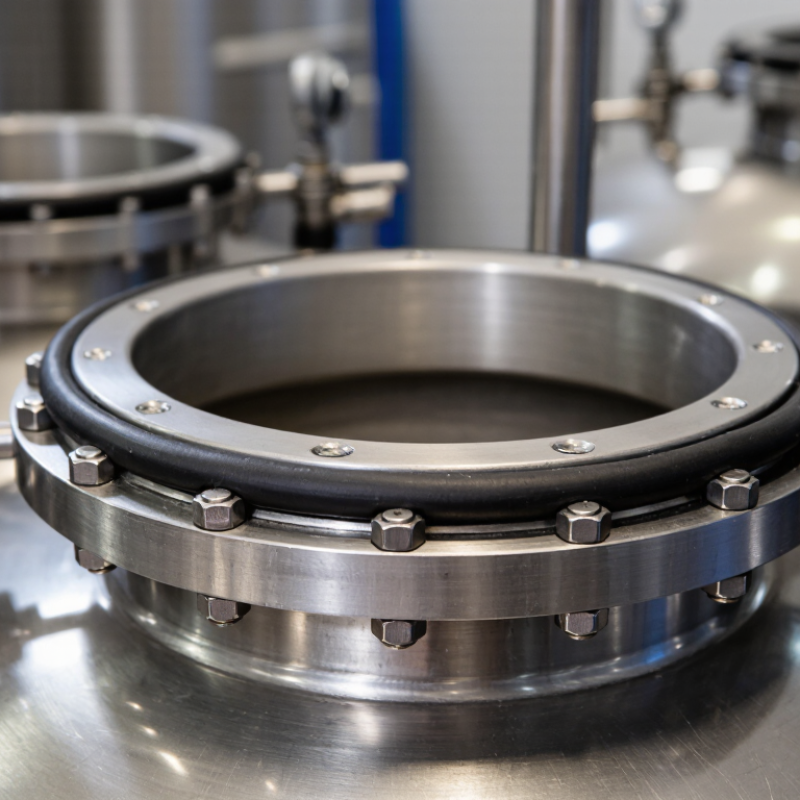
7 Best Tank O Ring Seal Manufacturers?

What Are Tank O-Ring Seals and How Do They Work?

Tank O-ring seals are circular elastomer rings that prevent leaks between a tank body, cover, valve, or inspection port. They work through controlled compression. The ring sits inside a machined groove, and the mating surface squeezes it slightly. When internal pressure rises, the fluid pushes the O-ring against the groove walls, improving the seal.

Material selection matters. Nitrile rubber suits many oils and moderate temperatures, while fluorocarbon compounds generally resist heat and aggressive chemicals better. These limits depend on the exact compound. ISO 3601 emphasizes dimensional accuracy, while ASTM D2000 helps classify rubber performance. A 2024 Grand View Research assessment placed the global industrial seals market at more than 12 billion U.S. dollars in 2023, showing the scale of sealing demand beyond tank applications.

A reliable installation needs a clean groove, a smooth sealing face, and compatible lubricant. Avoid twisting the ring. Even a small cut can create a visible leak after pressure cycling. One practical mistake is selecting by diameter alone. Hardness, squeeze, temperature, fluid chemistry, and pressure all matter. I would also question any design that compresses the ring unevenly. That detail is easy to miss. Periodic inspection should check flattening, swelling, cracking, and permanent deformation before failure occurs.
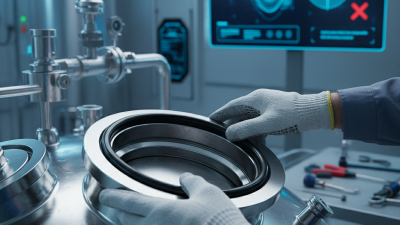
Key Factors for Evaluating Tank O-Ring Seal Manufacturers

When comparing seven tank O-ring seal manufacturers, evaluate evidence rather than polished marketing. Ask how long they have served tank applications and which sealing problems they regularly solve. Experienced manufacturers should explain material selection for chemicals, temperature changes, pressure, and cleaning cycles. Their engineers must understand groove dimensions, compression, stretch, and surface finish.

Request material certificates, inspection records, and batch traceability. Reliable suppliers can provide hardness data, dimensional reports, and test results without hesitation. Check whether production follows recognized quality systems and whether independent audits are available. A strong manufacturer also offers clear drawings, sampling support, and practical responses after delivery. Authority comes from repeatable work and documented knowledge, not confident claims alone.

Tips: Send a detailed application sheet. Include fluid type, operating temperature, pressure, groove size, and cleaning method. Ask for samples from the intended production material. Inspect them for flash, cuts, uneven molding, or a weak surface. A low quote may look attractive, but inconsistent batches can create leaks and costly downtime. I would also question vague claims such as “universal chemical resistance.” No elastomer performs equally well in every tank environment. A careful supplier admits limits and recommends verification testing. Communication matters too. Delayed answers before purchase may become serious problems during installation. The best choice is not always the cheapest or most famous; it is the manufacturer that combines relevant experience, controlled production, transparent evidence, and dependable technical support.

7 Best Tank O Ring Seal Manufacturers? - Key Factors for Evaluating Tank O-Ring Seal Manufacturers

Evaluation Factor What to Check Reliable Benchmark or Requirement Evidence to Request Recommended Weight
1. Dimensional Capability Ability to manufacture tank O-rings in standard and custom sizes with consistent cross-section control. Compatibility with ISO 3601 or AS568 size systems; critical dimensions should be verified against the applicable drawing and tolerance class. Inspection report, dimensional drawing, sampling plan, and measurement equipment calibration records. 20%
2. Material and Chemical Resistance Suitability for water, oils, fuels, cleaning agents, acids, alkalis, and other tank contents. Common choices include EPDM for water and many aqueous fluids, FKM for many oils and fuels, and FFKM for demanding chemical or high-temperature service. Compatibility must be confirmed for the exact fluid and concentration. Compound data sheet, immersion test results, hardness data, and written chemical-compatibility confirmation. 20%
3. Temperature and Pressure Performance Performance under the tank’s operating temperature, pressure, vacuum, cycling, and installation conditions. Typical elastomer service ranges vary by compound; for example, standard EPDM is often used around −45°C to +150°C, while FKM is commonly used around −20°C to +200°C. Actual limits depend on formulation, media, pressure, and design. Pressure-test results, temperature ratings, compression-set data, and engineering calculations for the application. 15%
4. Quality Management Control of raw materials, molding, flashing, surface defects, traceability, and final inspection. An ISO 9001-certified quality-management system is a useful baseline. Production controls should include batch traceability and documented nonconformance handling. Current certificate, process-control plan, certificate of conformity, lot records, and sample inspection report. 15%
5. Regulatory and Application Compliance Compliance with the regulations relevant to drinking water, food contact, sanitary equipment, or other controlled applications. For potable-water or food-contact use, require documentation applicable to the destination market, such as NSF/ANSI 61 or FDA 21 CFR 177.2600 where relevant. Valid certificates, declarations of compliance, migration or extractables reports, and material traceability documents. 10%
6. Customization and Technical Support Ability to recommend gland dimensions, hardness, surface finish, lubrication, backup rings, and installation methods. A capable supplier should review operating media, temperature, pressure, squeeze, stretch, extrusion gap, and assembly method before confirming the design. Application review form, engineering drawings, design calculations, prototype feedback, and documented technical recommendations. 10%
7. Supply Reliability and Total Cost Consistency of lead time, minimum order quantity, packaging, shelf-life control, logistics, and long-term pricing. Evaluate total cost rather than unit price alone, including tooling, inspection, expedited freight, downtime risk, replacement frequency, and inventory requirements. Lead-time commitment, capacity statement, packaging specification, shelf-life information, warranty terms, and recent on-time-delivery records. 10%
Selection note: The best tank O-ring supplier should be selected by application fit, verified documentation, dimensional consistency, and lifecycle cost rather than by price or catalog size alone.

Seven Leading Tank O-Ring Seal Manufacturers to Consider

Seven Leading Tank O-Ring Seal Manufacturers to Consider

Choosing among seven leading tank O-ring seal manufacturers requires more than comparing price. Look for proven compound control, mold accuracy, traceability, and practical application support. The right supplier should explain swelling, compression set, temperature limits, and cleaning exposure in clear technical language. Vague answers are warning signs.

Consider manufacturers with strengths in fluorocarbon compounds, EPDM formulations, silicone production, custom molding, rapid prototyping, laboratory validation, and high-volume consistency. These represent seven useful supplier profiles, not a fixed ranking. Grand View Research reports that the global industrial seals market is expanding steadily, driven by process equipment, energy, and chemical applications. That growth increases choice, but not necessarily quality.

Technical evidence matters. ASTM D395 compression-set testing and ASTM D1414 O-ring testing can reveal how a seal behaves after heat and pressure exposure. A 2024 industry analysis from MarketsandMarkets also identifies material performance and predictive maintenance as important seal-market drivers. Ask for batch certificates, dimensional inspection data, compatibility charts, and sample testing. I would not rely on a catalog alone. Real tanks experience vibration, imperfect grooves, repeated cleaning, and installation mistakes. Even experienced buyers overlook one factor: storage age. A seal can look flawless and still perform poorly.

How to Compare Materials, Customization, Quality, and Pricing

Choosing among the seven best tank O-ring seal manufacturers requires more than comparing catalog prices. Material compatibility comes first. NBR suits many petroleum-based fluids, while EPDM handles water, steam, and selected chemicals. FKM offers stronger heat and chemical resistance, but usually costs more. Silicone performs well across wide temperatures, yet it may tear more easily during installation. An uncomfortable detail: temperature ratings vary with pressure, fluid, and compound grade.

Customization should cover more than diameter. Ask about groove dimensions, cross-section tolerance, hardness, color coding, splicing, and special coatings. ISO 3601-1 provides recognized O-ring size and tolerance requirements. For compound classification, ASTM D2000 helps buyers compare performance properties instead of relying on vague “industrial grade” language. Request compatibility charts and sample seals. Real tank conditions matter.

Quality evidence should include batch traceability, inspection records, and test data for compression set, tensile strength, and leakage. A 2024 Grand View Research estimate valued the global O-ring seals market at over 14 billion U.S. dollars, with continued growth through 2030. That growth can encourage volume selling, not better engineering. Pricing should include tooling, minimum order quantities, testing, packaging, and replacement costs. The cheapest quote may become expensive after one swollen seal stops a tank. I would still compare at least three suppliers, because even published test results can hide differences in test methods. Small details decide reliability.

How to Choose the Right Manufacturer for Your Tank Application

Choosing among the 7 best tank O-ring seal manufacturers requires more than comparing catalog prices. Start with the tank’s actual conditions. Record the fluid, operating temperature, pressure, vacuum cycles, flange dimensions, and cleaning chemicals. A seal that works in water may swell in oil or lose elasticity during repeated steam cleaning.

Ask each manufacturer for material data, tolerance ranges, batch traceability, and application guidance. Experienced suppliers should explain why a compound suits your tank, not simply recommend their most common option. Request samples when possible. Test compression, leakage, and recovery under realistic conditions. Small details matter, including surface finish, groove design, storage age, and installation tools.

I once focused too heavily on unit cost. The cheaper seal created repeated maintenance because its material was poorly matched to the process fluid. That mistake changed my evaluation method. Today, I also review quality records, inspection procedures, technical response time, and replacement availability. Ask how the manufacturer handles nonconforming parts and field failures. Clear answers build trust.

Do not accept vague claims.

A strong manufacturer can provide dimensional inspection reports and consistent production records. Independent testing or recognized quality certifications may add confidence, but documents still need verification. Consider total service life, downtime risk, and installation labor. The best choice is usually the supplier that understands your tank conditions, communicates limitations honestly, and supports the seal after delivery.

7 Best Tank O-Ring Seal Manufacturers? How to Choose the Right Manufacturer for Your Tank Application

Material capability is one of the most important factors when evaluating a tank O-ring manufacturer. The chart compares typical continuous service temperature ranges for widely used O-ring materials. Actual limits depend on compound formulation, fluid compatibility, pressure, and installation conditions.

Use this comparison as an initial screening tool, then ask manufacturers for compound-specific compatibility data, dimensional tolerances, pressure ratings, certification options, and test documentation for your tank application.