Why You Need a Sink Rubber Gasket for Leak Prevention and Maintenance
In the realm of home improvement and maintenance, the unassuming sink rubber gasket plays a crucial role in ensuring a leak-free environment. Often overlooked, this simple yet effective component is essential for preventing water damage and maintaining the integrity of kitchen and bathroom fixtures. The sink rubber gasket serves as a seal that prevents water from leaking out of the sink, thus safeguarding countertops and cabinetry from the destructive effects of moisture.
A well-maintained sink rubber gasket not only contributes to the longevity of your plumbing but also enhances the overall efficiency of your home's water usage. Over time, wear and tear can compromise the effectiveness of gaskets, leading to potential leaks that can escalate into costly repairs. By understanding the significance of the sink rubber gasket in your maintenance routine, homeowners can take proactive steps to replace aging components before they lead to bigger issues.
In this article, we will explore the importance of the sink rubber gasket, its role in leak prevention, and the simple maintenance tips that can help extend its lifespan. Emphasizing the need for regular inspections and timely replacements, this discussion will equip homeowners with the knowledge they need to protect their investments and maintain a safe, dry home.
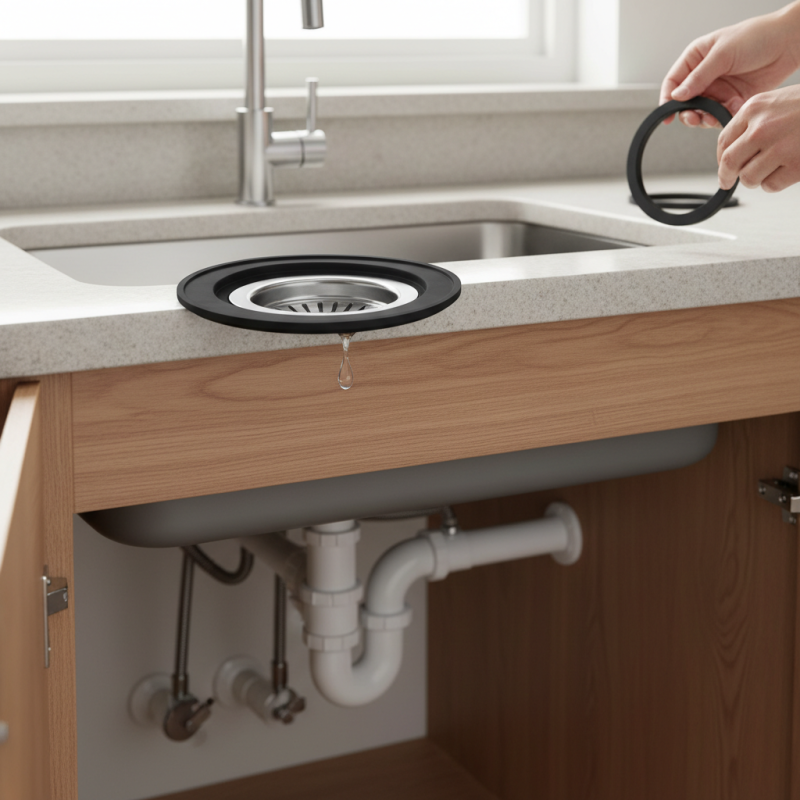
Understanding Sink Rubber Gaskets: Definition and Function
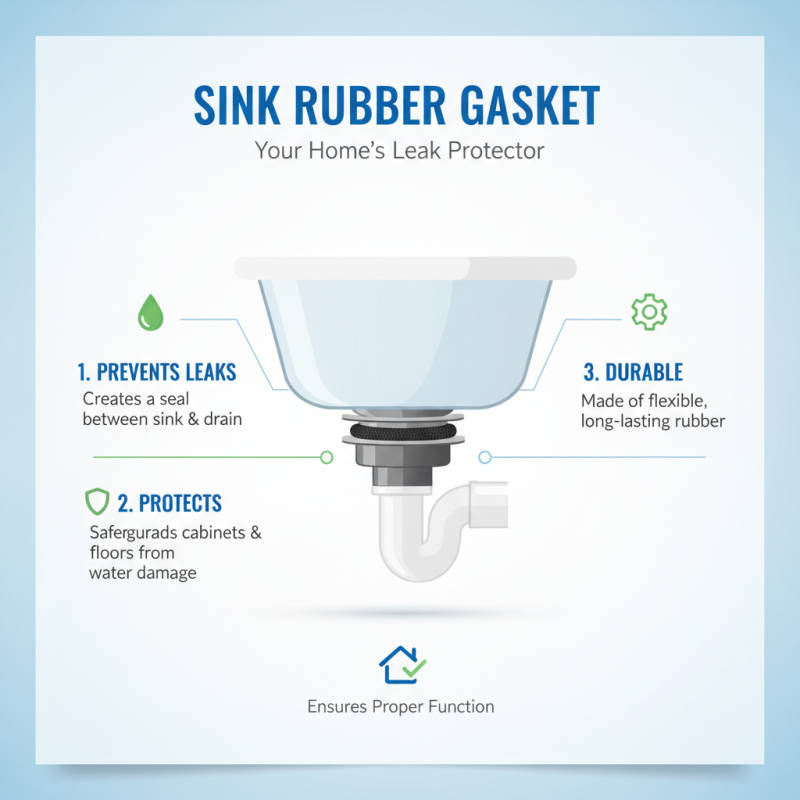
A sink rubber gasket is a crucial component that serves as a seal between your sink and drain, preventing leaks and ensuring proper function. This flexible seal is typically made from durable rubber materials that can withstand varying levels of pressure and temperature. By filling gaps and creating a barrier, sink rubber gaskets effectively stop water from seeping out, protecting your cabinetry and flooring from potential water damage.
To maintain your sink's functionality, it’s essential to regularly inspect your rubber gasket for signs of wear or damage. Over time, gaskets can become brittle or cracked due to exposure to moisture and varying temperatures. If you notice leaks or water pooling around your sink, it may be time to replace the gasket.
**Tips:** To prolong the lifespan of your sink rubber gasket, ensure it is cleaned regularly to prevent the buildup of grime. When installing a new gasket, make sure it's fitted snugly to avoid any gaps that could lead to leaks. Additionally, consider keeping a spare gasket on hand for quick replacements, which can save you time and prevent further water damage.
The Importance of Leak Prevention in Household Plumbing Systems
Ensuring leak prevention in household plumbing systems is critical not only for maintaining the structural integrity of the home but also for reducing water waste. According to the Environmental Protection Agency (EPA), household leaks can waste more than 1 trillion gallons of water annually in the United States alone, which is equivalent to the annual water use of more than 11 million homes. This staggering figure highlights the necessity of proactive measures, such as incorporating a sink rubber gasket in plumbing installations.
A rubber gasket acts as a seal that prevents water from escaping at joints and connections, thus minimizing the risk of leaks. Inadequate sealing can lead to water damage, mold growth, and increased water bills. The American Society of Plumbing Engineers emphasizes that regular maintenance checks that include the inspection of gaskets and seals can prevent costly repairs resulting from unnoticed leaks. By investing in proper fittings and regularly replacing worn components like gaskets, homeowners can significantly reduce the likelihood of plumbing failures and contribute to more sustainable water usage practices.
Leak Prevention in Household Plumbing Systems
Installation and Maintenance Tips for Sink Rubber Gaskets
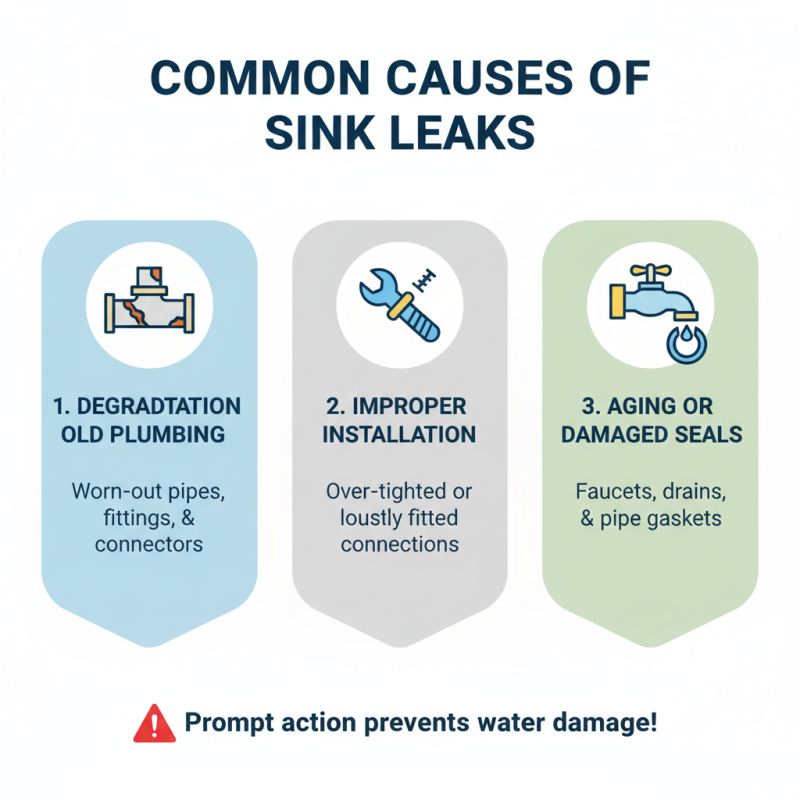
Installing and maintaining a sink rubber gasket is crucial for effective leak prevention and overall sink maintenance. According to a report by the American Society of Plumbing Engineers, over 10% of homes experience some form of water leakage, and sinks are frequently a major contributing source. A well-fitted rubber gasket plays a key role in sealing joints and connections, preventing water from seeping out, which can result in costly water damage and mold growth. Regular inspection and timely replacement of worn gaskets can reduce the risk of leaks and contribute to a healthier home environment.
When it comes to installation, ensuring the correct size and fit of the rubber gasket is essential. Start by cleaning the sink surface and the area where the gasket will be installed, as dirt and grime can hinder the seal's effectiveness. A leading industry study suggests that improper installation is a primary cause of gasket failure, with up to 30% of leaks attributed to incorrect positioning. During installation, it is advisable to apply even pressure across the gasket to ensure it seats correctly, creating a watertight seal. Maintenance should involve periodic checks; it is recommended to inspect gaskets at least once a year or whenever any plumbing modifications are made. Proper maintenance not only extends the lifespan of your sink but also ensures your water systems operate efficiently.
Why You Need a Sink Rubber Gasket for Leak Prevention and Maintenance - Installation and Maintenance Tips for Sink Rubber Gaskets
| Aspect |
Details |
| Material |
Rubber (SBR, EPDM, Nitrile) |
| Purpose |
Prevent leaks and protect fittings |
| Installation Steps |
1. Clean the sink area
2. Remove old gasket (if applicable)
3. Place new gasket properly
4. Tighten connections |
| Maintenance Tips |
1. Regularly check for wear and tear
2. Clean around the gasket area
3. Replace if leaking or damaged |
| Common Issues |
1. Cracking due to age
2. Misalignment during installation
3. Dirt accumulation affecting seal |
| Benefits |
1. Enhances durability of fittings
2. Reduces water waste
3. Saves on repairs and replacements |
Signs That Your Sink Gasket Needs Replacement
When it comes to maintaining your sink and preventing leaks, paying attention to the state of your
rubber gasket is crucial. Several signs indicate that your sink gasket may need replacement.
First, look for visible wear and tear, such as cracks or deformation. These physical changes can compromise the gasket's ability to create a
watertight seal, leading to potential leaks under the sink. Regularly inspecting the gasket can help catch these issues early before they result in
significant water damage.
Another sign to watch for is water pooling around the base of the sink or in surrounding areas.
If you've noticed dampness or water stains where the connections are made, it could be an indication that the gasket is no longer functioning effectively.
Additionally, if you hear dripping sounds or notice an increase in your water bill,
these could be subtle hints that it's time to replace the gasket. By staying vigilant about these signs, you can ensure that your sink remains
leak-free and functional for years to come.