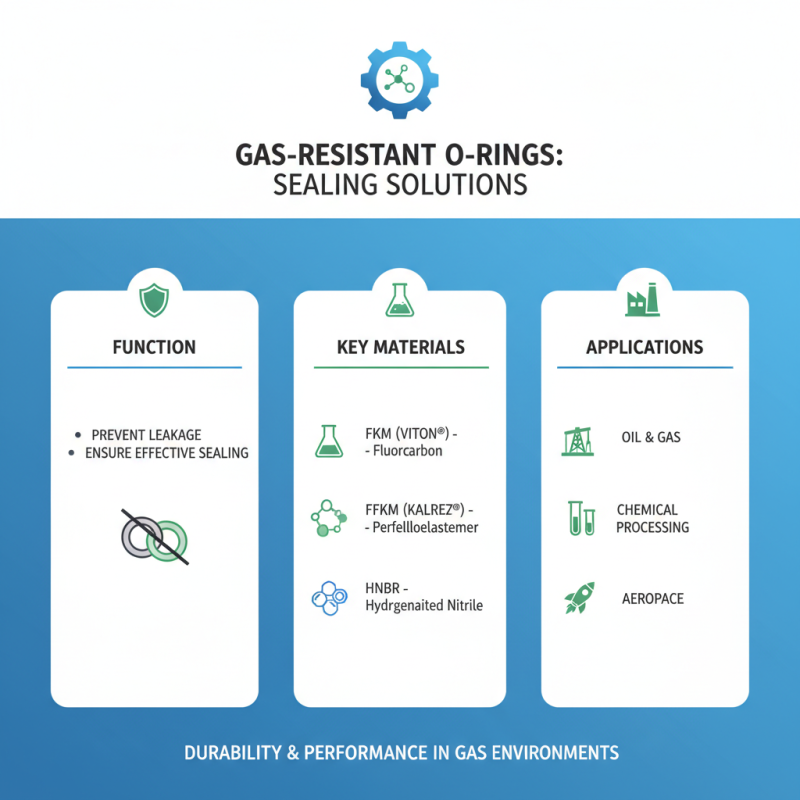
What are Gas Resistant O Rings and How Do They Work
Gas Resistant O Rings are essential components in various industrial applications where sealing against gases is critical. These specialized O Rings are designed to withstand the challenges presented by different gases, including their pressures and chemical properties. In environments where conventional O Rings might fail due to gas permeation or chemical degradation, Gas Resistant O Rings provide a reliable solution, ensuring the integrity of seals in processes such as manufacturing, automotive, and aerospace.
Understanding how Gas Resistant O Rings work involves exploring their composition and the materials used in their fabrication. These O Rings are made from materials that exhibit low gas permeability and high resistance to various gases, enabling them to maintain their sealing capabilities even under extreme conditions. The effectiveness of these O Rings in preventing leakage is vital for the safety and efficiency of many applications, making them a crucial element in fluid dynamics and gas management systems.
In summary, Gas Resistant O Rings play a pivotal role in maintaining operational reliability across numerous sectors. Their unique properties and functionality not only enhance sealing performance but also contribute to the overall efficiency and safety of systems reliant on stringent gas sealing requirements. Understanding their workings and applications helps industries optimize their processes and ensure seamless operation.
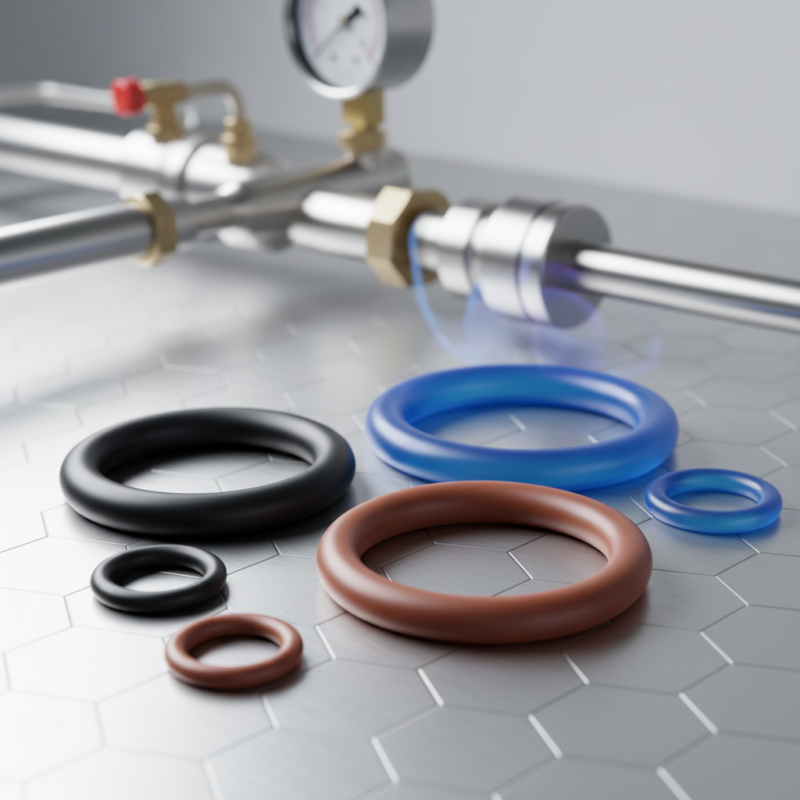
Definition and Purpose of Gas Resistant O Rings
Gas resistant O rings are specialized sealing components designed to prevent gas leakage in various applications. These O rings are typically made from materials that provide exceptional resistance to the permeation of gases, ensuring that seals maintain integrity over time. Their primary purpose is to create airtight seals in machinery, equipment, and piping systems where gas is being transported or stored. By effectively sealing joints and connections, gas resistant O rings help maintain operational efficiency and safety.
The construction of gas resistant O rings often involves the use of synthetic rubber compounds or elastomers that possess a high degree of resilience and compatibility with gaseous substances. These materials are selected based on their ability to withstand exposure to a range of gases without degrading or losing elasticity. The unique properties of gas resistant O rings make them suitable for use in diverse sectors, including automotive, aerospace, and industrial applications. Their reliable performance in harsh environments helps prevent costly leaks and reduces the risk of accidents, emphasizing their crucial role in modern sealing technology.
Common Materials Used for Gas Resistant O Rings
Gas resistant O-rings are essential components in various applications that handle gases, ensuring effective sealing and preventing leakage. The materials used for these O-rings are critical in determining their effectiveness and durability in gas applications.
When it comes to materials suitable for gas resistant O-rings, several options stand out. Fluoroelastomers, commonly known for their high resistance to aggressive chemicals and extreme temperatures, are frequently utilized in applications involving hydrocarbons and other corrosive gases. Another popular choice is nitrile rubber, which offers excellent resistance to petroleum-based products while maintaining good flexibility and strength. Moreover, materials like ethylene propylene diene monomer (EPDM) work well for non-oily gases, thanks to their superior weathering and ozone resistance, making them effective in outdoor applications.
Each of these materials possesses unique properties that cater to specific gas environments, making it crucial to select the right type for optimal performance. Understanding the compatibility of the material with the specific gases being sealed is vital to ensure longevity and effective sealing capabilities in varied operating conditions.
How Gas Resistant O Rings Function in Sealing Applications
Gas resistant O rings are specialized sealing components designed to prevent the escape of gases in various applications, ensuring a tight seal under pressure. Their unique formulation allows them to withstand the aggressive nature of many gases, making them essential in industries like automotive, aerospace, and chemical processing. The materials used often include fluoropolymers and other advanced elastomers that are specifically engineered to provide resistance to gas permeation while maintaining flexibility and durability.
In sealing applications, gas resistant O rings function by conforming to the surfaces they seal against, creating a barrier that minimizes leakage. The inherent elasticity of the O ring material allows it to adapt to irregularities on mating surfaces, which is critical in achieving a reliable seal. When compressed, the O ring fills any gaps and establishes a sealing force that is crucial for maintaining pressure and preventing gas escape. This capability is particularly important in high-pressure environments where even minor leaks can lead to significant performance issues or safety concerns. By employing gas resistant O rings, industries can enhance the reliability and efficiency of their systems while minimizing the risk of gas leaks.
Gas Resistant O-Rings Performance Comparison
This chart illustrates the gas resistance performance of various O-ring materials, measured in psi. Understanding these values helps in selecting the right material for specific sealing applications to ensure efficiency and reliability.
Benefits of Using Gas Resistant O Rings in Various Industries
Gas resistant O rings play a crucial role in various industries by ensuring the integrity of seals in environments where gases are present. These specialized O rings are designed to resist chemical degradation, maintaining their elasticity and strength even when exposed to harsh gaseous conditions. Industries such as oil and gas, automotive, and aerospace benefit significantly from the use of gas resistant O rings, as they help prevent leaks and ensure safety in critical applications.
One of the key benefits of using gas resistant O rings is their ability to enhance operational efficiency. By preventing gas leaks, these O rings not only minimize waste but also reduce the risk of hazardous situations. Additionally, their durable materials extend the lifespan of sealing components, resulting in lower maintenance costs and fewer replacements over time, making them a cost-effective choice in the long run.
Tips: When selecting gas resistant O rings, consider factors such as the type of gas, temperature ranges, and pressure conditions to ensure optimal performance. Always consult with material compatibility guides to choose the right O ring material for your specific application. Regularly inspecting seals for wear and tear can also help maintain system integrity and prolong the life of your O rings.
Factors to Consider When Selecting Gas Resistant O Rings
When selecting gas resistant O rings, several critical factors must be taken into consideration to ensure proper functionality and longevity. The type of gas being sealed is paramount; different gases exhibit varying degrees of aggressiveness toward materials. For instance, hydrocarbons may often require O rings made from specific elastomers designed to withstand their chemical properties. According to a study by the ASTM International, elastomers such as fluorocarbon and polyacrylate have shown superior resistance to a variety of gases, achieving compatibility levels exceeding 90% in seal performance during testing.
Additional considerations include temperature and pressure conditions, as these factors significantly impact the performance of O rings. The American Society for Testing and Materials (ASTM) suggests that operating temperatures beyond 200°C (392°F) necessitate specialized materials to prevent degradation and leakage. Moreover, the durometer hardness of the O ring also plays a crucial role; softer materials may provide a better seal at lower pressures, while harder materials tend to perform better in high-pressure environments.
Lastly, proper installation and application design cannot be overlooked. Misalignment or incorrect seal sizing can lead to premature failure, regardless of the material's resistance properties. Adhering to guidelines established by organizations like the Society of Automotive Engineers (SAE) can enhance sealing performance and durability across various gas applications, reinforcing the importance of thorough selection criteria.