Moken (Xiamen) Industrial Co., Ltd.
Leave Your Message

China Best Fuel O Rings Manufacturer Where to Buy?

Finding the best Fuel O Rings manufacturer in China requires more than comparing prices. A reliable supplier should understand fuel compatibility, temperature changes, pressure cycles, and long-term compression set. These details matter when an O-ring seals a fuel injector, pump, tank fitting, or industrial engine connection.

Robert Flitney, a recognized sealing engineer and author of The Sealing Handbook, has said, “A seal is only as good as the system in which it operates.” This principle is easy to overlook. Even a high-quality Fuel O Rings compound can fail when the groove is poorly designed, the surface is scratched, or installation causes twisting. Buyers should request compound information, hardness data, dimensional tolerances, and test documentation. Samples should also be tested with the actual fuel, temperature range, and pressure conditions.

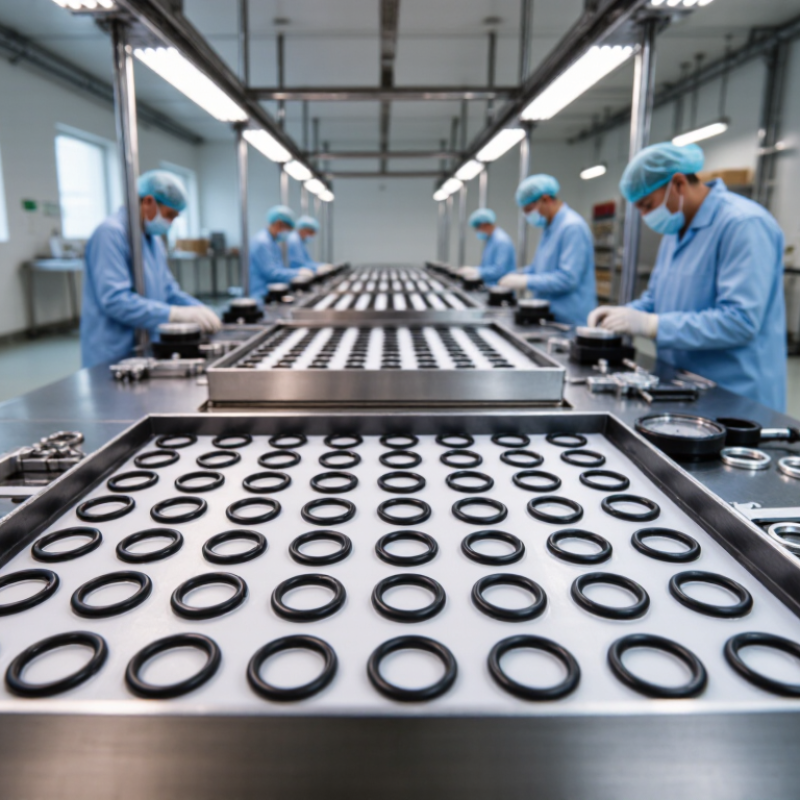
China offers many capable manufacturers, but quality levels are not identical. Look for suppliers with traceable raw materials, controlled molding processes, inspection records, and practical export experience. A factory visit can reveal useful details, such as clean storage areas, calibrated measuring tools, and organized batch labels. Certifications help, but they do not replace technical verification.

Small detail. Big consequence.

The purchasing process may still feel imperfect. Product pages can be vague, test reports may be incomplete, and supplier claims require careful review. A responsible buyer should compare several manufacturers, clarify application conditions, and approve samples before placing a larger order. This guide explains where to buy Fuel O Rings in China and how to judge manufacturing reliability with greater confidence.
China Best Fuel O Rings Manufacturer Where to Buy?

What Are Fuel O-Rings and Why Do They Matter?

China Best Fuel O Rings Manufacturer Where to Buy?

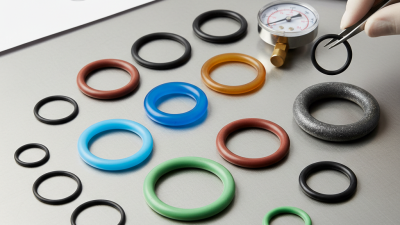
Fuel O-rings are small, circular seals used around injectors, pumps, filters, and fuel-line connections. They prevent leakage when parts experience pressure, vibration, and temperature changes. Their value is easy to underestimate. A ring only a few millimeters wide can protect an entire fuel system.

Material selection matters greatly. Nitrile rubber suits many petroleum-based fuels, while fluorocarbon compounds usually provide stronger heat and chemical resistance. ASTM D471 testing measures rubber volume and hardness changes after fuel exposure. SAE J200 also helps classify elastomer performance. Grand View Research estimates the global automotive seals market will grow at about 4% annually through 2030. That growth reflects stricter reliability needs, not just rising vehicle production. In practice, incorrect sizing remains a common failure. Installation damage can be just as serious as poor material choice.

Tips: Ask a Chinese manufacturer for compound data, tolerance records, and fuel-immersion test results. Check the inner diameter, cross-section, hardness, and working temperature. Request samples before placing a large order. A clean groove and a compatible lubricant prevent twisting during assembly. I would also inspect storage conditions, because heat, sunlight, and ozone can quietly age rubber. Certification sounds reassuring, but traceable testing matters more. Some suppliers provide impressive documents yet overlook actual application details. That is where careful questioning still matters.

China Best Fuel O Rings Manufacturer Where to Buy? - What Are Fuel O-Rings and Why Do They Matter?

Topic Practical Information What to Check When Buying
What a fuel O-ring is A fuel O-ring is a circular elastomer seal fitted into a groove to help prevent fuel or fuel vapor from leaking between joined components. Confirm the seal’s intended location, groove dimensions, and operating conditions before choosing a part.
Why it matters A correctly selected seal helps maintain a leak-resistant connection. A poorly fitted, damaged, or incompatible seal may swell, harden, crack, or lose sealing force. Use a seal specified for the fuel, temperature, pressure, and movement expected in the application.
Common application points Fuel-system O-rings may be used in injectors, fuel pumps, regulators, connectors, and other components with O-ring sealing grooves. Check the component maker’s service information for the correct position, size, and replacement requirements.
Elastomer selection NBR, FKM, and other elastomers are used in sealing applications. Performance depends on the exact compound; no single material is suitable for every fuel or operating condition. Ask for documented compatibility with the specific fuel, including any relevant ethanol or other additive content.
Dimensions and fit O-rings are identified by their inside diameter and cross-section. Groove design, tolerances, and installation stretch also affect sealing performance. Provide a drawing or verified measurements. Do not select a replacement by visual similarity alone.
Operating conditions Fuel type, temperature, pressure, exposure time, and mechanical movement can all influence seal life. Share the full operating range with the supplier and request application-specific material recommendations.
Quality checks Useful inspection records can cover dimensions, material identification, hardness, visual condition, and batch traceability. Request inspection criteria and records that match the drawing and the needs of the application.
Compatibility testing Material behavior can be evaluated by exposing samples to the specified fuel and checking properties such as volume change and hardness change. Ask which test method, exposure conditions, and acceptance limits were used; verify that they represent the intended service.
Where to buy Potential purchasing channels include O-ring manufacturers, authorized industrial distributors, and established industrial sourcing platforms. Compare technical support, sample availability, quality documentation, lead time, minimum order quantity, and return terms.
Supplier questions A qualified supplier should be able to discuss material options, dimensional tolerances, production controls, and product traceability. Request a technical datasheet, a quotation based on the drawing, and written confirmation of fuel compatibility for the specified conditions.
Storage and installation Heat, light, contamination, and excessive stretching or twisting during installation can damage elastomer seals. Follow the supplier’s storage guidance and use suitable installation practices; replace seals that are cut, flattened, or visibly degraded.

How to Identify a Reliable Fuel O-Ring Manufacturer in China

China Best Fuel O Rings Manufacturer Where to Buy?

Choosing a reliable fuel O-ring manufacturer in China requires more than comparing prices. Check whether the factory understands fuel-system sealing, temperature changes, and chemical exposure. Ask about materials such as FKM or NBR, then request documented compatibility data. A professional manufacturer should provide material certificates, batch traceability, dimensional inspection records, and clear production tolerances. Vague answers are warning signs.

Request samples before placing a large order. Test them with your actual fuel, pressure, temperature, and assembly method. Inspect surface defects, hardness, inner diameter, and compression recovery. A factory may offer an attractive sample, but production consistency matters more. Ask for recent quality reports, process-control details, and evidence of regular equipment calibration. Video audits can help, although they cannot replace independent inspection.

Tips: Compare at least three suppliers. Confirm tooling ownership and replacement costs. Ask how rejected parts are controlled. Check response speed and technical clarity. Do not rely only on certificates; verify their scope and validity. A reliable supplier should discuss limitations honestly, not promise universal performance. In practice, even a careful selection can miss a detail, such as swelling after long fuel exposure. That is why staged testing, written specifications, and retained samples remain important. Good communication is useful, but measurable evidence is stronger.

China Best Fuel O-Ring Manufacturer: How to Identify a Reliable Supplier

The chart compares typical continuous-use temperature ranges for commonly used O-ring materials in fuel-related applications. NBR is widely used for petroleum-based fuels, while FKM provides higher-temperature resistance. EPDM generally offers poor resistance to petroleum fuels, so compatibility must be verified before selection. When buying from a Chinese manufacturer, request material certificates, batch traceability, fuel-compatibility test results, dimensional inspection records, and quality-system evidence such as ISO 9001 or IATF 16949 certification.

Which Materials and Standards Should You Consider?

Choosing a fuel O-ring starts with the fluid, not the catalog price. In field inspections, failures often begin with swelling, hardening, or tiny surface cracks. Gasoline, diesel, ethanol blends, and biodiesel can stress elastomers differently. NBR is common for petroleum fuels and offers practical wear resistance. FKM handles heat and many aromatic compounds well. Yet FKM is not suitable for every fuel blend. EPDM usually resists alcohol-based fluids, but it performs poorly with petroleum oils. A small compatibility mistake can stop an otherwise reliable assembly.

Dimensions and quality standards also deserve close attention. SAE AS568 and ISO 3601 help control O-ring sizing and tolerances. ASTM D2000 supports material classification and performance requirements. These standards improve consistency, but they do not guarantee fuel compatibility. Ask for batch traceability, hardness records, and third-party test data. Confirm the actual fuel composition used during testing. It may differ from your application.

When comparing a manufacturer, request material designations, temperature limits, compression-set data, and immersion results. Check samples with calibrated gauges before approving production. Review molding, post-curing, packaging, and storage controls. Direct factory sourcing can improve communication, while a qualified distributor may offer faster local support. Cheap samples can mislead. One weakness in many purchasing decisions is trusting a test sheet without examining the real fuel blend, pressure, and temperature cycle. Small cracks often appear after repeated thermal movement, not during a short laboratory check.

Where Can You Buy Quality Fuel O-Rings in China?

Quality fuel O-rings in China are available through specialized seal manufacturers, industrial marketplaces, and verified export suppliers. Choose a supplier with clear production records, not only attractive prices. Experienced buyers usually request material data, dimensional drawings, and recent inspection reports before placing an order.

Material selection matters. NBR suits many standard fuel applications, while FKM offers better resistance to heat and aggressive fluids. Confirm the fuel type, operating temperature, pressure, hardness, and groove size. A supplier should provide samples for testing. Check compression, swelling, surface defects, and sealing performance under realistic conditions.

Look for documented quality control, traceable batches, calibrated measuring tools, and consistent packaging. Factory audits can reveal storage problems, mixed materials, or weak inspection practices. Ask about export experience and technical support. A polished website proves little. A low quotation may hide unstable compounds or loose tolerances. That risk deserves careful review.

Do not judge quality from one sample alone. Test several pieces from different batches when possible. Request corrective action records if defects appear. The best purchase usually combines verified materials, practical testing, transparent communication, and dependable production capacity. A cheaper order is not always the safer order.

How to Compare Prices, Customization, and Supplier Support?

China Best Fuel O Rings Manufacturer Where to Buy?

Price comparison should begin with total cost, not the unit quote. Grand View Research reports that the global industrial seals market is expanding steadily, driven by stricter reliability requirements. This trend makes traceability and testing more valuable than a cheap invoice. Compare tooling fees, minimum order quantities, packaging, shipping, and replacement rates. A supplier quoting $0.03 less may still cost more after leakage, delays, or rejected batches.

Customization needs technical evidence. Ask for compound data, hardness tolerance, temperature limits, fuel compatibility, and dimensional inspection records. Fuel O rings may use FKM, NBR, or other compounds, but the correct choice depends on fuel chemistry and operating temperature. Request samples cut from the intended production material. A drawing alone is not enough. It can hide swelling problems.

Supplier support should be measured like a service contract. ASTM and ISO-based testing can improve consistency, while batch codes support later investigation. MarketsandMarkets has identified quality control and advanced sealing requirements as major growth factors in industrial seals. Ask how quickly the supplier handles a failed sample, design change, or urgent reorder. Two business days sounds useful. Is it documented? Not always. I would also check mold ownership, inspection frequency, and certificate authenticity before comparing final prices. Some buyers focus too heavily on customization and forget basic delivery discipline. That mistake remains surprisingly common.