Moken (Xiamen) Industrial Co., Ltd.
Leave Your Message

2026 Top Red Rubber O Ring Suppliers for Global Buyers

Choosing the right Red Rubber O Ring supplier requires more than comparing unit prices. Global buyers need consistent sealing performance, dependable communication, and clear quality evidence. In 2026, supplier selection is becoming more detailed as industries demand safer materials, shorter lead times, and stronger traceability.

This guide examines leading suppliers for international purchasing teams. It considers rubber formulation, production capacity, dimensional control, testing practices, and export experience. A reliable supplier should explain material specifications, hardness tolerance, temperature limits, and compression performance. Certificates matter, but practical evidence matters more. Buyers should request inspection reports, batch records, sample rings, and packaging photos before approving large orders.

Not every supplier fits every application. A red rubber seal used in a low-pressure water system may need different properties from one used near heat, vibration, or outdoor exposure. Some manufacturers offer broad catalogs but limited customization. Others provide technical support yet require larger minimum quantities. These differences can affect the real purchase cost.

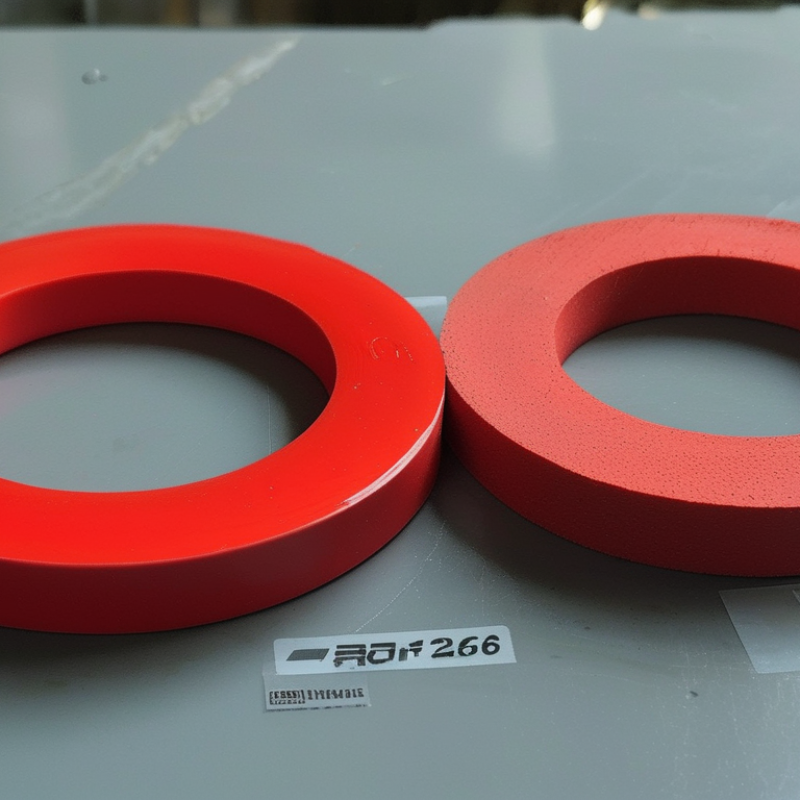
Small details often reveal supplier maturity. Look for clean edges, uniform color, accurate dimensions, and labels that remain readable after transport. Ask how rejected batches are handled. Ask how quickly production problems are reported. Price alone misleads.

The suppliers discussed here are assessed through an experience-based, evidence-focused approach. However, supplier rankings cannot replace application testing or professional engineering review. Buyers should verify current certifications, shipping conditions, and regional requirements before placing an order. A careful decision may take longer, but it can prevent leakage, delays, and expensive replacement work.
2026 Top Red Rubber O Ring Suppliers for Global Buyers

What Red Rubber O-Rings Are and Where They Are Used

What Red Rubber O-Rings Are and Where They Are Used

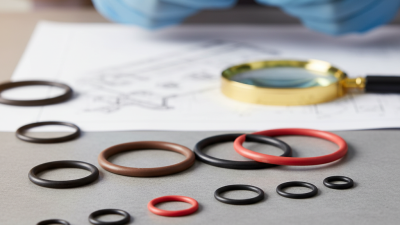
Red rubber O-rings are circular sealing components with a simple, flexible profile. Their red color may indicate a material family, production preference, or visual identification system. It does not guarantee identical performance across suppliers. These rings seal the gap between two mating surfaces. Compression creates a barrier against air, water, oils, or selected chemicals. Material choice remains critical.

Red rubber O-rings are commonly used in pumps, valves, hydraulic fittings, laboratory equipment, and general industrial machinery. They also appear in plumbing assemblies and low-to-moderate temperature service. Their bright color helps technicians locate damage during inspections. However, color alone cannot confirm chemical resistance or temperature limits. A common mistake is ordering by diameter and appearance only. Engineers should check the groove dimensions, hardness, operating pressure, temperature range, and media exposure. Field inspections often reveal flattened sections, cuts, swelling, or permanent compression. These details can explain leakage better than visual color.

Tips: Confirm the material specification before purchasing. Measure the inside diameter and cross-section accurately. Compare the seal with the equipment manual or technical drawing. Avoid stretching the ring excessively during installation. Use a compatible lubricant when required. Clean the groove carefully, because tiny metal particles can create leakage paths. If performance seems acceptable but inspection results remain unclear, document the conditions and review the selection again. The original choice may have been convenient, but not fully suitable.
Key Standards for Evaluating Global O-Ring Suppliers

Global buyers should assess red rubber O-ring suppliers through evidence, not polished catalog pages. Start with dimensional control. Ask whether products follow ISO 3601 or another recognized specification. Confirm tolerances, hardness, inner diameter, and cross-section in inspection reports. A small dimensional drift can cause leakage during assembly. Request material declarations and batch traceability. Each lot should connect to compound records, production dates, and test results. This detail matters when field performance changes unexpectedly.

Material selection needs equal attention. Red silicone, EPDM, and other elastomers behave differently across heat, pressure, oils, steam, and outdoor exposure. A capable supplier explains compatibility limits instead of promising universal performance. Request compression-set, tensile, elongation, aging, and hardness data at relevant temperatures.

Samples should be tested with the actual fluid and housing design. Laboratory certificates help, but independent verification remains valuable. Paperwork can look complete. It can still miss the real failure mode.

Evaluate manufacturing reliability through a controlled sample order. Check flash, surface marks, molding consistency, packaging, and delivery accuracy. Review equipment maintenance, calibration practices, and corrective-action records. Supplier audits should examine process controls, not only office documents.

Ask how rejected parts are separated from approved stock. No supplier is perfect, including one with impressive certificates. That weakness deserves honest review. Price should include inspection, replacement risk, and downtime exposure. A lower quote may become expensive after one failed seal.

Top Red Rubber O-Ring Suppliers for International Buyers

International buyers need more than a bright red O-ring and a competitive quote. Reliable red rubber O-ring suppliers should explain the compound, hardness, temperature range, and sealing limits. Red is only a color. It does not prove oil resistance, chemical compatibility, or long service life.

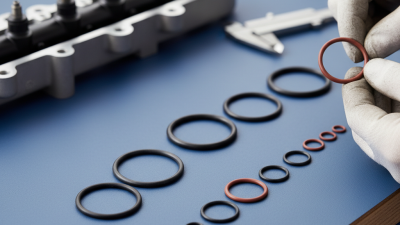
Experienced suppliers provide controlled samples before mass production. Ask for dimensional inspection records, batch traceability, material test reports, and clear tolerance data. A practical sample check includes the inner diameter, cross-section, surface finish, and compression recovery. These details matter when seals face vibration, pressure changes, or outdoor storage. Suppliers should also confirm packaging, moisture protection, labeling, and export documentation for each shipment.

A careful supplier asks questions first. What fluid will contact the seal? What temperature cycles are expected? How will installation occur? Vague answers deserve caution. A tidy catalog can still hide inconsistent batches. No checklist catches everything. I would request samples from different production lots and test them under realistic conditions. This step costs time, but it may reveal swelling, flattening, or poor elasticity before a large purchase. International buyers should also review lead times, inspection procedures, replacement terms, and communication practices. Small misunderstandings become expensive across borders. Reliable cooperation is built through evidence, not promises.

2026 Top Red Rubber O Ring Suppliers for Global Buyers - Top Red Rubber O-Ring Suppliers for International Buyers

International buyer comparison table based on commonly available red elastomer O-ring manufacturing capabilities and standard procurement requirements
Supplier Profile Primary Manufacturing Region Common Red Elastomer Options Typical Hardness Range Common Temperature Range Available Size Capability Typical Production Capability Quality Documentation Typical Lead Time Best-Fit Applications Buyer Verification Points
Profile A East Asia Red silicone Red VMQ Custom compounds 40–80 Shore A Approximately −60°C to +200°C, depending on compound and seal design Standard metric and imperial O-ring sizes; custom cross-sections available Compression molding, precision trimming, color matching, prototype tooling and repeat production Material batch certificate, dimensional inspection report, hardness report and visual inspection record Samples: commonly 7–15 working days; production: commonly 20–40 working days after approval Food-contact equipment, medical devices, consumer appliances, lighting and temperature-sensitive assemblies Confirm food or medical compliance, extractables data, color stability and compression-set performance
Profile B South Asia Red natural rubber Red SBR General-purpose blends 50–90 Shore A Approximately −40°C to +100°C, depending on formulation Standard O-ring sizes and large-diameter molded rings; selected custom sizes Compression molding, batch mixing, mold development and medium-to-high volume production Certificate of conformity, compound identification, hardness record and dimensional report Samples: commonly 10–20 working days; production: commonly 25–45 working days Static sealing, pumps, valves, industrial machinery, covers and low-to-medium pressure assemblies Check resistance to oils, ozone, sunlight, abrasion and the actual operating temperature
Profile C Southeast Asia Red silicone Red EPDM Red NBR 40–90 Shore A Approximately −50°C to +150°C; higher ranges require compound-specific validation Metric, imperial, miniature and selected large-diameter sizes Compression molding, injection molding for suitable compounds, automated inspection and packaging customization Inspection plan, raw-material traceability, dimensional report, hardness report and packing record Samples: commonly 7–18 working days; production: commonly 20–40 working days Water systems, outdoor equipment, electronics, general machinery and industrial maintenance Verify resistance to steam, glycol, mineral oils, outdoor exposure and cleaning chemicals
Profile D Central Europe Red silicone Red EPDM Specialty elastomers 50–90 Shore A Approximately −50°C to +180°C, subject to material grade and application conditions Standard sizes, precision custom profiles and engineered sealing components Low-to-medium volume precision molding, rapid prototyping, measurement reports and application engineering Full material traceability, first-article inspection, dimensional records and change-control documentation Samples: commonly 5–15 working days; production: commonly 15–35 working days Industrial automation, fluid handling, laboratory equipment and engineered machinery Request tolerances, surface-finish limits, mold ownership terms and validation-test results
Profile E North America Red silicone Red fluorosilicone Custom elastomer blends 40–90 Shore A Approximately −60°C to +200°C; specialty grades may require separate qualification Standard O-ring sizes, custom dimensions, low-volume prototypes and replacement parts Prototype tooling, compression molding, compound development, inspection and scheduled replenishment Material certification, certificate of conformity, inspection report and lot traceability Samples: commonly 5–15 working days; production: commonly 15–35 working days Aerospace support equipment, instrumentation, chemical handling and high-specification machinery Confirm chemical compatibility, low-temperature sealing, lot traceability and export classification
Profile F Middle East and North Africa Red NBR Red EPDM Red silicone 60–90 Shore A Approximately −40°C to +150°C, depending on selected material Standard metric sizes, replacement O-rings and selected custom molded sizes Batch molding, replacement-part production, custom packaging and regional stocking programs Basic conformity certificate, dimensional check, hardness record and batch identification Samples: commonly 10–20 working days; production: commonly 25–50 working days Water treatment, pumps, irrigation, construction equipment and general industrial maintenance Check storage conditions, UV and ozone resistance, local certification requirements and spare-part availability
Profile G Latin America Red natural rubber Red SBR Red NBR 50–90 Shore A Approximately −35°C to +120°C, depending on formulation and service environment Common metric sizes, maintenance sizes and selected custom tooling Compression molding, maintenance-part supply, custom compounds and scheduled local distribution Certificate of conformity, basic dimensional inspection and material batch identification Samples: commonly 10–20 working days; production: commonly 25–50 working days Agricultural machinery, pumps, conveyors, industrial equipment and replacement maintenance parts Validate oil compatibility, abrasion resistance, local inventory and delivery terms before purchase
Note: The figures shown are typical procurement ranges rather than guarantees for any individual supplier. Red rubber is not a single standardized compound; buyers should confirm the exact polymer, formulation, hardness, dimensions, tolerance, operating media, temperature, certification and test method before placing an order.

How to Compare Materials, Quality, Pricing, and Lead Times

Choosing a red rubber O-ring supplier requires more than comparing unit prices. Material selection comes first. NBR usually suits mineral oils and hydraulic fluids, while EPDM performs better with hot water and weather exposure. FKM handles higher temperatures and aggressive chemicals, but it normally costs more. Silicone offers wide temperature flexibility, yet its tear resistance can disappoint. Check ASTM D2000 material classifications, ASTM D2240 hardness results, and ASTM D395 compression-set data. ISO 3601 also provides dimensional guidance for industrial O-rings.

Pricing should include tooling, inspection, packaging, freight, and replacement risk. A 2024 global O-ring market analysis projects roughly 4% annual growth through 2030, reflecting steady demand across industrial equipment and automotive applications. However, market reports vary in scope, so their figures should guide decisions rather than control them. Ask for batch traceability, compound certificates, sample measurements, and production photographs. A supplier promising every requirement immediately deserves careful questioning. That sounds negative, but it prevents costly surprises.

Lead time needs a written breakdown. Separate drawing review, mold preparation, sampling, mass production, and shipping. Standard sizes may ship within days, while custom tooling can require several weeks. Confirm minimum order quantities and approval procedures before placing the purchase order. A low quotation may hide a long sampling cycle. Red color alone proves nothing. Surface cracks, flash, uneven hardness, or poor storage can shorten service life. Compare suppliers using the same material grade, tolerance, test method, quantity, and delivery term. No comparison is perfect, especially when forecast demand changes suddenly.

What to Check Before Placing a Global O-Ring Order

2026 Top Red Rubber O Ring Suppliers for Global Buyers

Before placing a global O-ring order, confirm the compound behind the red color. Color alone does not prove chemical resistance or temperature stability. Ask for the material specification, hardness range, operating temperature, and compression set results. In real procurement work, small differences in hardness can cause leakage after installation. Check the exact size standard, tolerance, and groove dimensions. A drawing is safer than a verbal description. Send the supplier your working pressure and fluid details. Water, oil, steam, and cleaning chemicals can require different rubber formulations.

Request recent test reports and a sample from the intended production batch. Samples made only for sales review may not represent normal output. Check surface defects, flash, cracks, and dimensional consistency under simple inspection tools. Short tests help. Longer testing is better. Ask how each batch receives identification and traceability records. Reliable suppliers should explain inspection frequency, packaging methods, and storage conditions clearly.

Global orders also need practical logistics checks. Confirm minimum order quantity, production lead time, export packaging, and agreed delivery terms. Verify that documents match the actual goods. I have seen delays caused by one incorrect size code. That mistake was avoidable. Keep written approval for drawings, samples, labels, and inspection standards. Do not rely on assumptions, even when the supplier appears experienced. A careful review may feel slow, but replacing thousands of failed seals is slower.